Skip to content
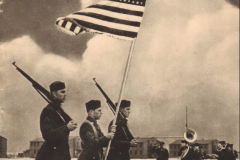 Master Sergeant Louis Barclay returned to the U.S. from Panama in August 1943. After his return, he changed branches to the Army Air Force, and by November 1943 he was serving as an administrative NCO in a Signal Corps detachment at Hammer Field, Fresno, California. There are no known photographs of Barclay during his period of wartime service in the Continental United States.
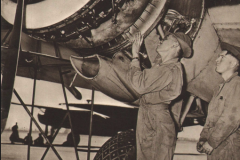 Aircraft maintenance was serious business at a training base like Hammer Field. During the war, thousands of pilots and aircrew would die in training accidents before seeing a day of combat. Source: "A Camera Trip Through Hammer Field."
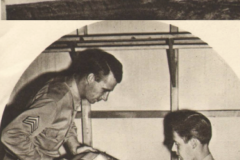 Besides preparing pilots and aircrew for overseas service, training activities at a post like Hammer Field could range from obstacle courses to learning how to use a teletype machine. Source: "A Camera Trip Through Hammer Field."
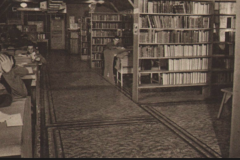 Posts like Hammer Field included such amenities as base exchanges, movie theaters, bowling alleys, clubs (for officers and enlisted men), churches, and playing fields. Here soldiers make use of the Hammer Field Library. Source: "A Camera Trip Through Hammer Field."
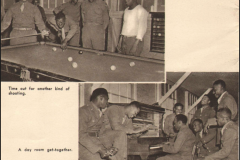 Black soldiers served at Hammer Field, but in a segregated military black and white soldiers did not intermingle in such facilities as barracks and day rooms. Source: "A Camera Trip Through Hammer Field."
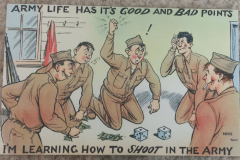 Besides sending letters, postcards were a popular way for soldiers to keep in touch with the folks back home. This postcard recognizes that gambling, especially shooting dice, was an almost universal pastime during the war years.
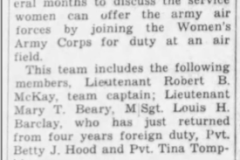 On May 25, 1945, Louis Barclay transferred from Hammer Field, California to Hill Army Air Force Base, Utah to take up his new assignment as a recruiter for the Women's Army Corps. This article from the Logan, Utah "Herald Journal," dated June 15, 1944, announces the visit of a recruiting team that includes Master Sergeant Louis Barclay. The article incorrectly states that Barclay "has just returned from four years foreign duty."
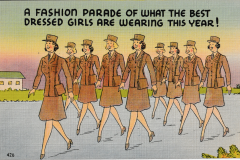 Though present-day Americans tend to hold the women who served in the WWII military in high esteem, that was not a universal opinion during the war. The Women's Army Corps was the victim of a highly politicized smear campaign that pictured WACs as both incompetent and hypersexual. The idea that WACs were either man-hungry nymphomaniacs or depraved lesbians made recruiting women for the Army a challenging assignment.
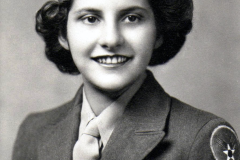 Technician Fifth Grade Mary S. Ingrassia in her Women's Army Corps Uniform. The photograph was taken in 1944 or 1945 by Ingrassia's older brother, C. D. Grecie, a professional photographer. Promoted to sergeant in August 1945, Ingrassia was honorably discharged from the Army in December 1945. After the war, while working as a civilian employee at Hamilton Army Air Field, California, Ingrassia met Master Sergeant Louis Barclay. The couple were married in January 1947.
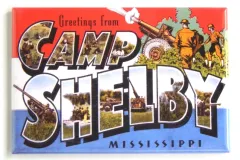 In late July 1944, Barclay's branch of service abruptly reverted from the Army Air Force back to the Infantry, and he was transferred from Utah to Camp Shelby, Mississippi. He remained at Camp Shelby (an assignment he detested) for less than a month before being transferred to the replacement depot at Fort Meade, Maryland.
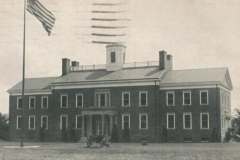 During the Second World War, tens of thousands of troops were processed through the replacement depot (a.k.a. "repple depot") at Fort Meade, Maryland. Most of these troops were sent to the European Theater of Operations, but for whatever reason Louis Barclay was sent from Fort Meade to the Pacific Theater.
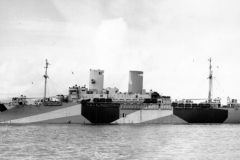 The caption on this photograph reads: "USS General John Pope AP-110 underway off San Francisco, California, USA on 7 November 1944." Because Louis Barclay departed San Francisco for the Pacific Theater on 7 November 1944, it is possible that he was among the troops on board when this photograph was taken. A WWII-era troopship required about a month to travel from the West Coast of the U.S. to the islands being fought over in the Pacific, leaving passengers plenty of time to think about what might await them on arrival.
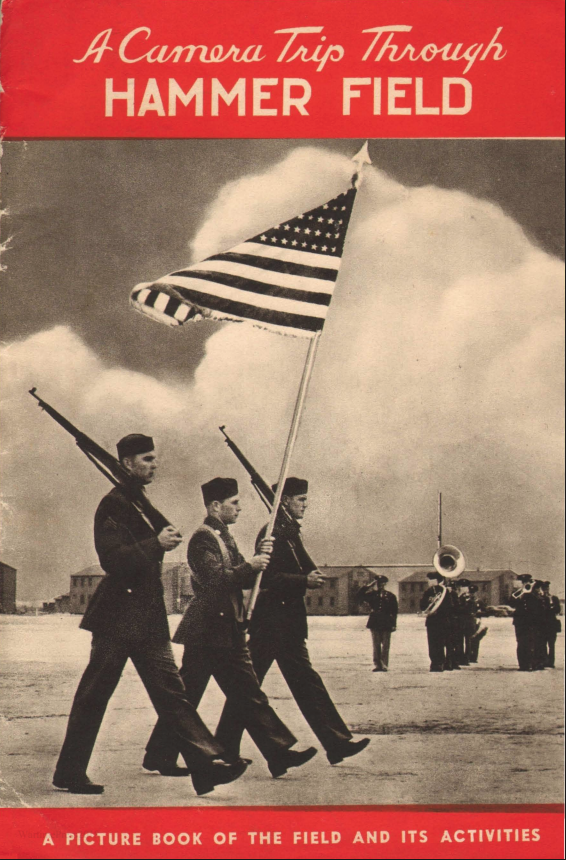 Master Sergeant Louis Barclay returned to the U.S. from Panama in August 1943. After his return, he changed branches to the Army Air Force, and by November 1943 he was serving as an administrative NCO in a Signal Corps detachment at Hammer Field, Fresno, California. There are no known photographs of Barclay during his period of wartime service in the Continental United States.
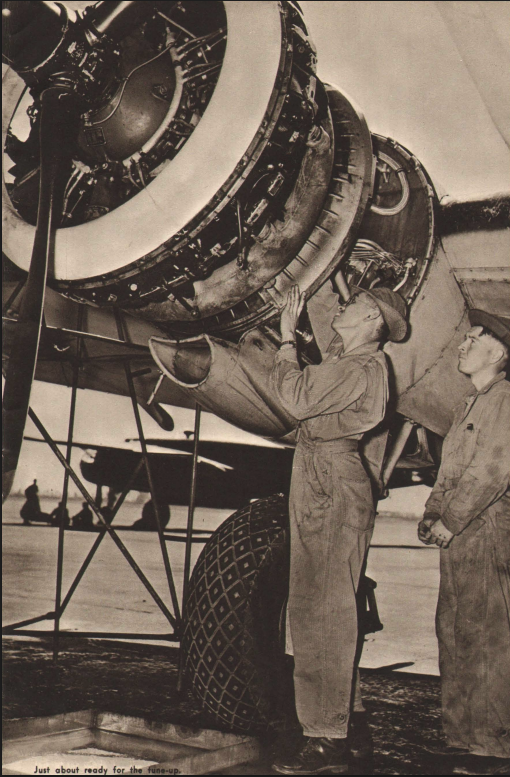 Aircraft maintenance was serious business at a training base like Hammer Field. During the war, thousands of pilots and aircrew would die in training accidents before seeing a day of combat. Source: "A Camera Trip Through Hammer Field."
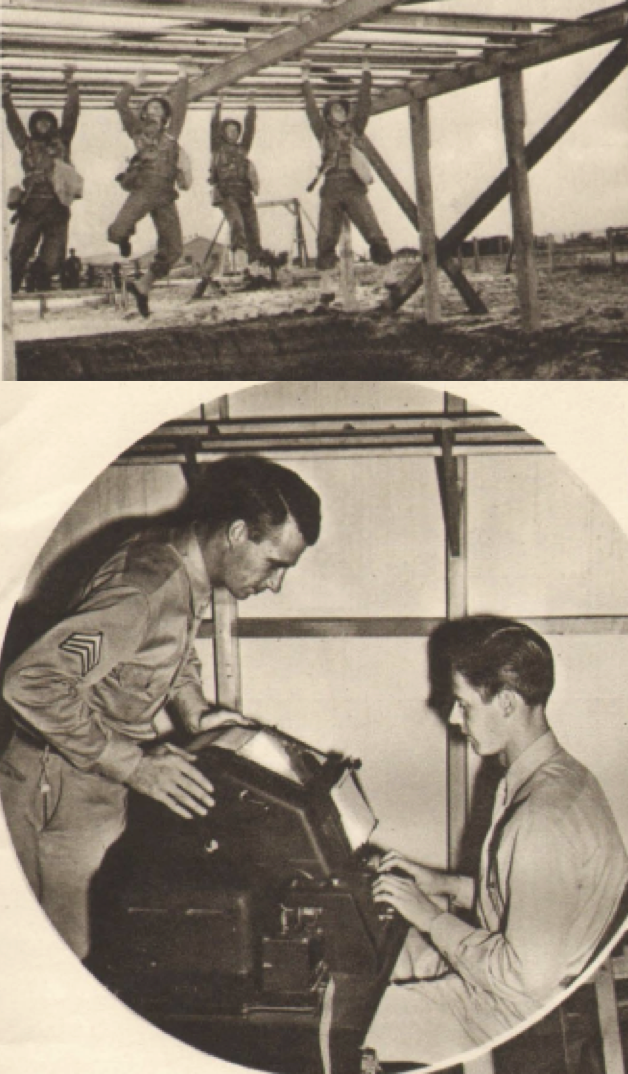 Besides preparing pilots and aircrew for overseas service, training activities at a post like Hammer Field could range from obstacle courses to learning how to use a teletype machine. Source: "A Camera Trip Through Hammer Field."
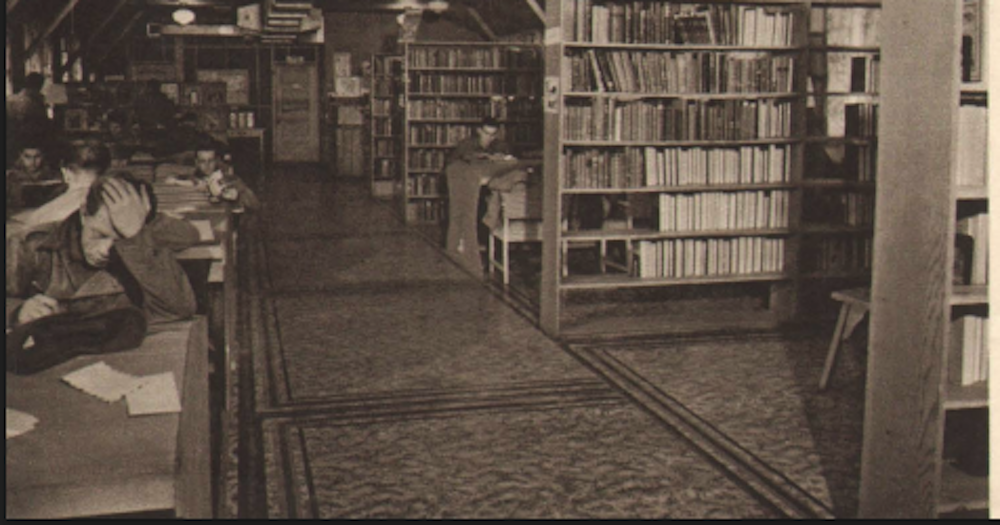 Posts like Hammer Field included such amenities as base exchanges, movie theaters, bowling alleys, clubs (for officers and enlisted men), churches, and playing fields. Here soldiers make use of the Hammer Field Library. Source: "A Camera Trip Through Hammer Field."
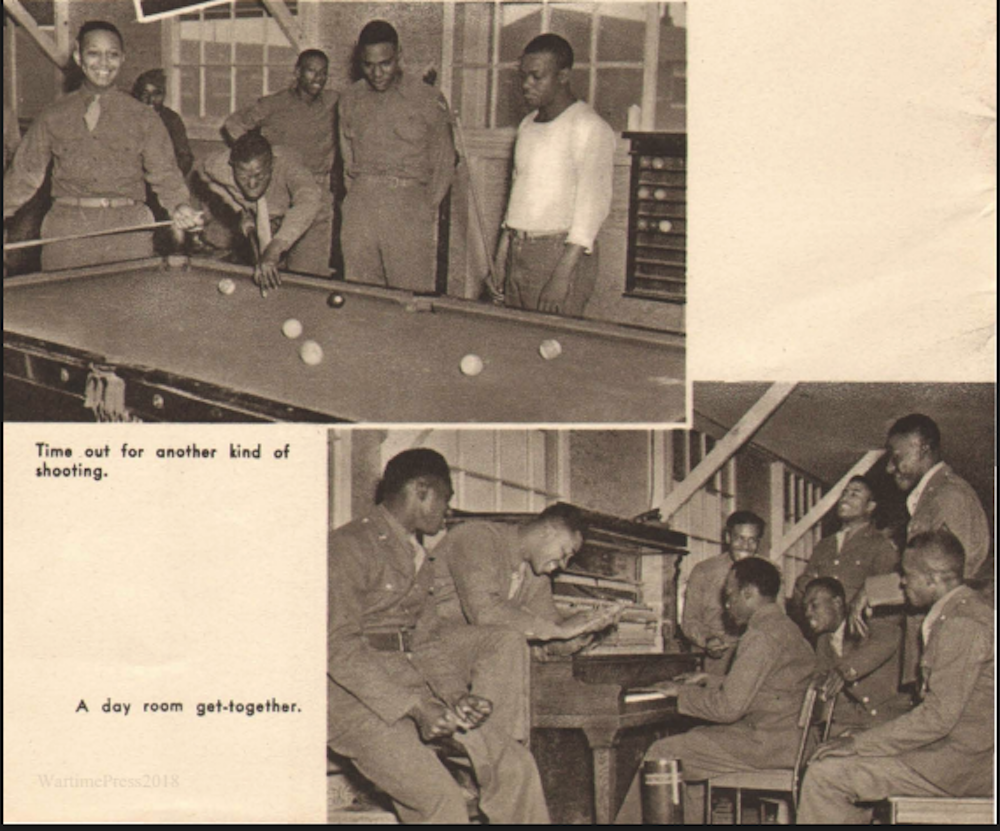 Black soldiers served at Hammer Field, but in a segregated military black and white soldiers did not intermingle in such facilities as barracks and day rooms. Source: "A Camera Trip Through Hammer Field."
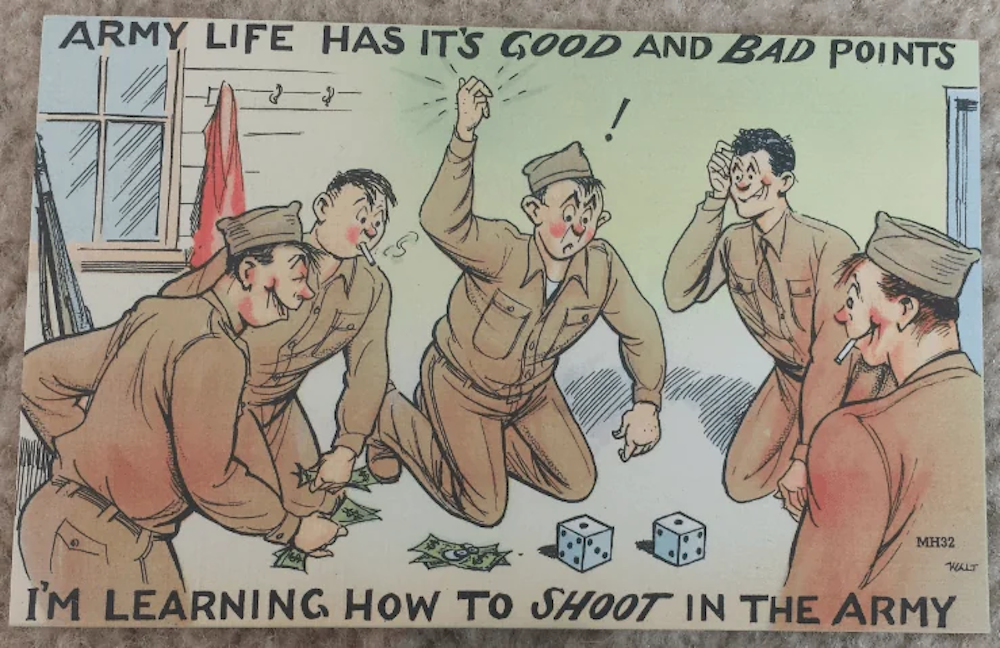 Besides sending letters, postcards were a popular way for soldiers to keep in touch with the folks back home. This postcard recognizes that gambling, especially shooting dice, was an almost universal pastime during the war years.
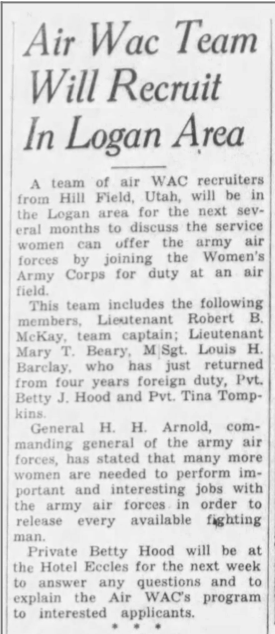 On May 25, 1945, Louis Barclay transferred from Hammer Field, California to Hill Army Air Force Base, Utah to take up his new assignment as a recruiter for the Women's Army Corps. This article from the Logan, Utah "Herald Journal," dated June 15, 1944, announces the visit of a recruiting team that includes Master Sergeant Louis Barclay. The article incorrectly states that Barclay "has just returned from four years foreign duty."
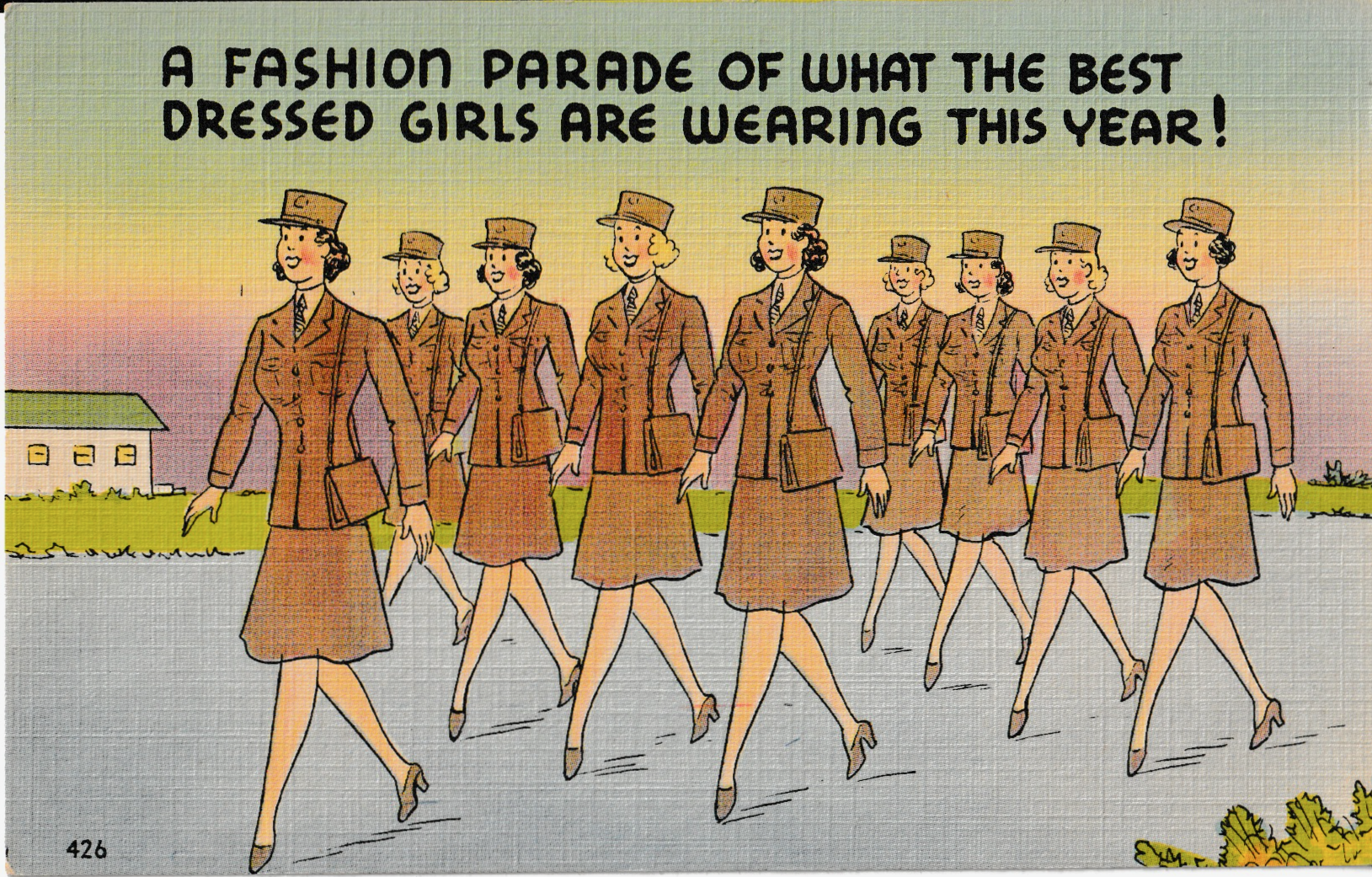 Though present-day Americans tend to hold the women who served in the WWII military in high esteem, that was not a universal opinion during the war. The Women's Army Corps was the victim of a highly politicized smear campaign that pictured WACs as both incompetent and hypersexual. The idea that WACs were either man-hungry nymphomaniacs or depraved lesbians made recruiting women for the Army a challenging assignment.
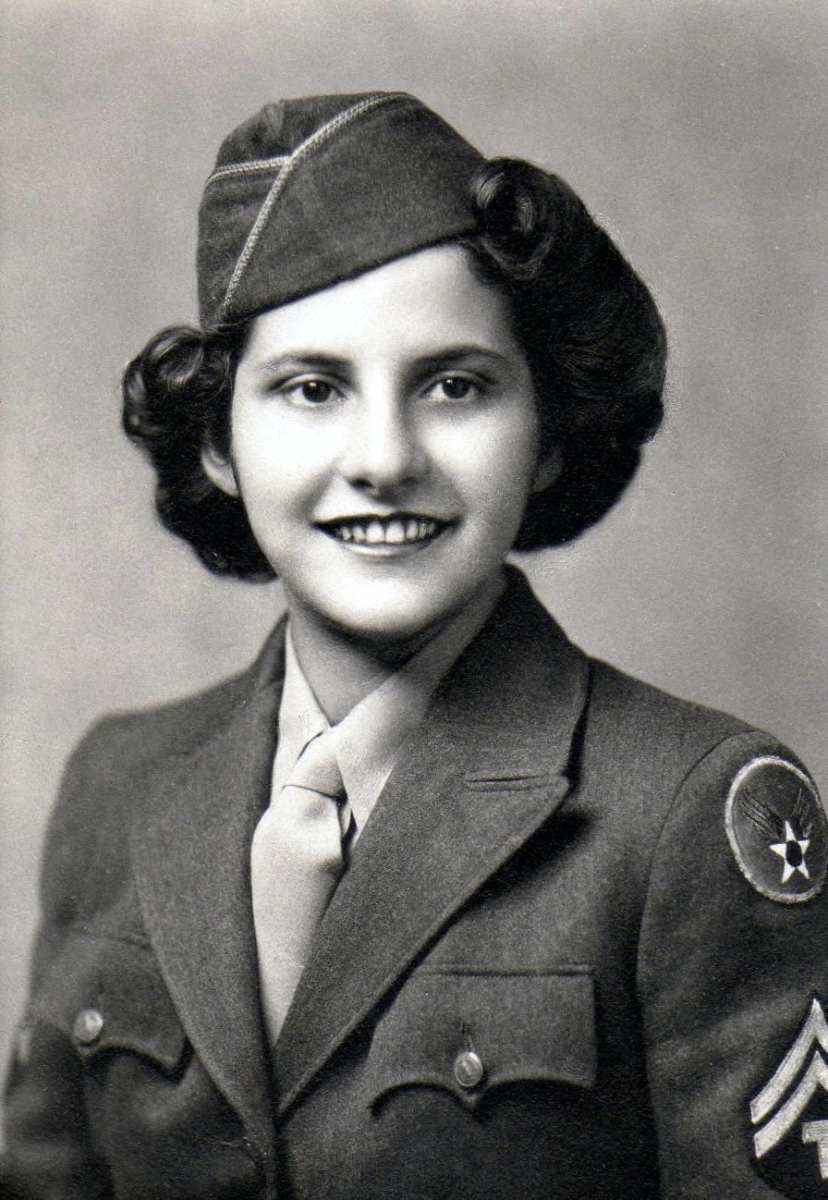 Technician Fifth Grade Mary S. Ingrassia in her Women's Army Corps Uniform. The photograph was taken in 1944 or 1945 by Ingrassia's older brother, C. D. Grecie, a professional photographer. Promoted to sergeant in August 1945, Ingrassia was honorably discharged from the Army in December 1945. After the war, while working as a civilian employee at Hamilton Army Air Field, California, Ingrassia met Master Sergeant Louis Barclay. The couple were married in January 1947.
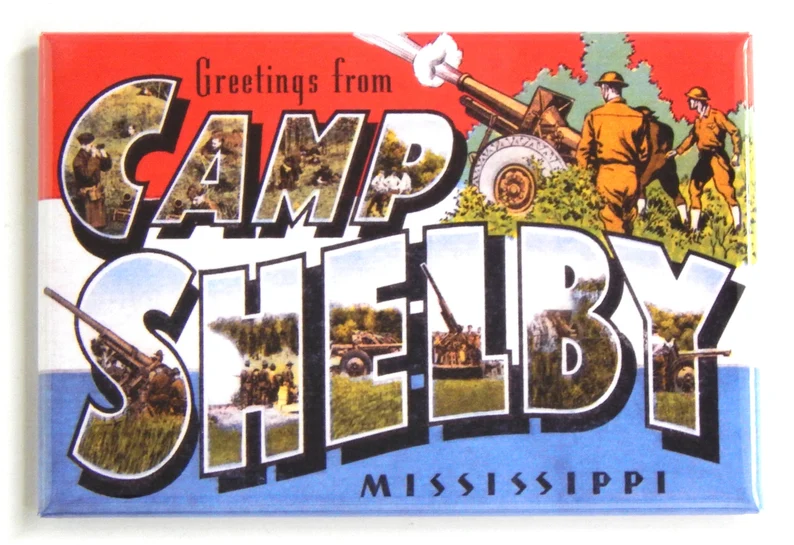 In late July 1944, Barclay's branch of service abruptly reverted from the Army Air Force back to the Infantry, and he was transferred from Utah to Camp Shelby, Mississippi. He remained at Camp Shelby (an assignment he detested) for less than a month before being transferred to the replacement depot at Fort Meade, Maryland.
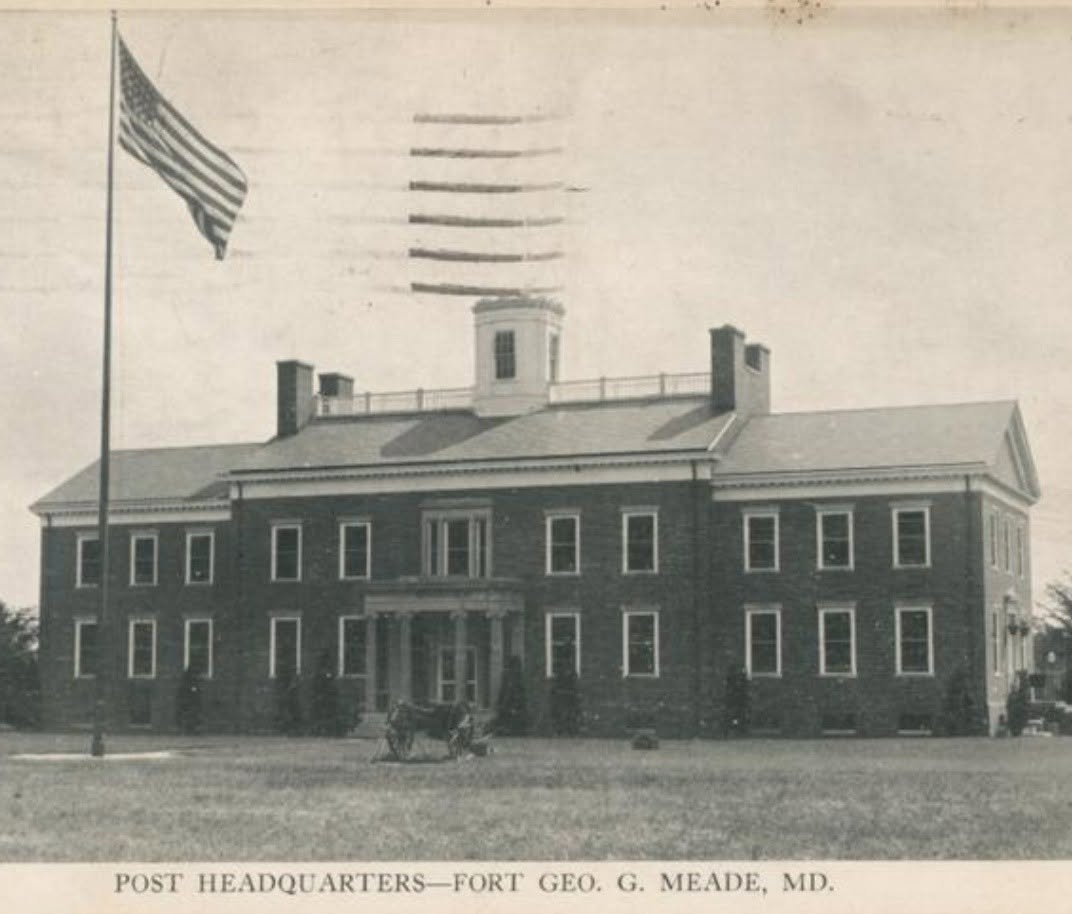 During the Second World War, tens of thousands of troops were processed through the replacement depot (a.k.a. "repple depot") at Fort Meade, Maryland. Most of these troops were sent to the European Theater of Operations, but for whatever reason Louis Barclay was sent from Fort Meade to the Pacific Theater.
 The caption on this photograph reads: "USS General John Pope AP-110 underway off San Francisco, California, USA on 7 November 1944." Because Louis Barclay departed San Francisco for the Pacific Theater on 7 November 1944, it is possible that he was among the troops on board when this photograph was taken. A WWII-era troopship required about a month to travel from the West Coast of the U.S. to the islands being fought over in the Pacific, leaving passengers plenty of time to think about what might await them on arrival.