Skip to content
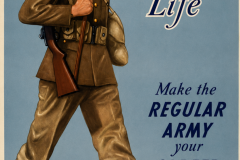 This image appeared on the cover of an Army recruitment brochure published around the time Louis Barclay first enlisted in the Army. When Barclay enlisted in January 1938, unemployment was high enough that plenty of desperate young men were willing to enlist for a salary of $21.00 a month plus "three hots and a cot." On top of that, the interwar US Army of 1938 was so tiny--about 170,00 troops, Air Corps included--that it did not need to recruit all that many men.
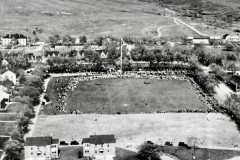 Barclay took a train from his hometown of Emmett, Idaho to Fort Douglas, Utah where he was sworn into the Army on January 19, 1938. This image shows the fort's parade ground and surrounding buildings. Photograph from the post yearbook, "Fort Douglas 1938"
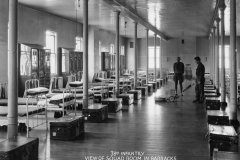 This photograph of the interior of a barracks at Fort Douglas shows what Barclay's living quarters would have looked like. Though this photograph is undated, the uniforms suggest it was taken during the interwar period between the First and Second World Wars.
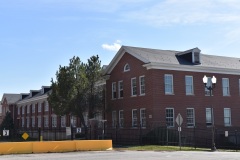 The Fort Douglas building shown in this 2017 photo is what Barclay called "the New Barracks." He would have been among the original occupants of these barracks when they were completed 1939 as a project of Roosevelt's New Deal. This building remains in use, though not by the military. Fort Douglas was placed on closure status in 1975, with the slow process of transition from military to civilian use finally ending when the site was fully transferred to the University of Utah in 2026. Photo: https://livingnewdeal.org/sites/copy-fort-douglas-barracks-salt-lake-city-ut/
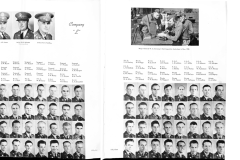 On the day he was sworn into the Army, Louis Barclay reported straight to the 38th Infantry's Company L without undergoing the type of group basic training that became the norm shortly before the start of the Second World War and continues to the present day. Instead, he was taught soldiering by the company NCOs through a process very much like an apprenticeship. Private Barclay in on the right-hand page, third row from the top, third man from the left. These pages are from the post yearbook "Fort Douglas 1938."
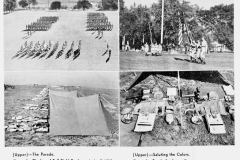 These images from "Fort Douglas, 1938" give a sense of the routines of soldiering in the interwar US Army.
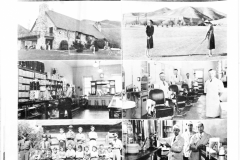 These photographs depict some of the amenities offered at Fort Douglas in 1938. While the post club house and golf course were the purview of officers, a private like Louis Barclay would have certainly purchased items from the post exchange, gotten his hair cut at the post barber shop, and may have occasionally dined at the post restaurant. Soldier's ate most of their meals in the mess hall where they were not charged for their food. Photograph: "Fort Douglas 1938."
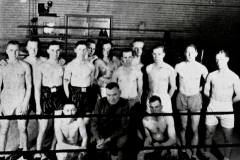 Company H boxing team, Fort Douglas post champions of 1938. Sports were an important component of a soldier's life in the interwar Army, and no sport was more popular than boxing. Barclay was invited to join his company boxing team but was advised against it by an older soldier who saw boxing as a way for officers to exploit soldiers for their entertainment. Photograph "Fort Douglas 1938."
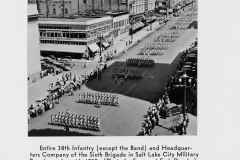 Louis Barclay would have been among the troops of the 38th Infantry marching through downtown Salt Lake City, Utah on June 16, 1938. The men of the interwar Army spent a great deal of time marching and performing close-order drill, either practicing on the fort's parade grounds or in front of spectators. In an Army working with a very tight budget, marching was an inexpensive way to keep soldiers occupied and in good physical shape while also instilling discipline. Photograph: Sergeant E.J. Doody.
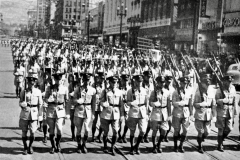 The original caption for this photograph from "Fort Douglas 1938" reads: "38th Infantry Parades with the National Guard, June 16th, 1939." Note that the soldiers wear WWI-issue puttees rather than the canvas gaiters worn in WWII. Barclay said he spent hours learning to wrap puttees, which he called "leggings," to the satisfaction of the corporal teaching him what soon became an arcane art.
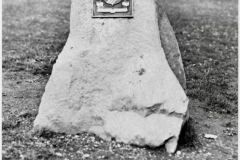 The monument to the role the 3rd Division and the 38th Infantry played in the Battle of the Marne during the First World War reflects the importance the Army placed in instilling a sense of unit pride in its soldiers. Barclay was well aware of the history of the 38th Infantry and often referred to his old outfit as the "Rock of the Marne." Photograph: "Fort Douglas 1938."
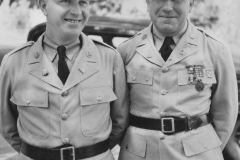 Original caption in "Fort Douglas 1938" reads, “Sergeants Charles O’Connor and Frank Thomas went through the World War with the regiment. They are the only enlisted men left in the 38th Infantry with this distinction.” These two sergeants may well have participated in the Battle of the Marne. When Barclay joined the regiment in 1938, many of the senior NCOs and officers were veterans of the First World War, though all but the two shown here had served with other regiments over the previous twenty years. It was somewhat common for soldiers of the interwar Army to go back and forth between stateside regiments and overseas posts where their Army pay went further than in the States. During the interwar period, overseas posts included Hawai'i, Puerto Rico, Panama, the Philippines, and China.
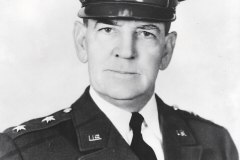 Major General Walter C. Sweeney, Sr. was the commander of the Sixth Brigade of which the 38th Infantry was a component. In 1938, Sweeney transferred from Fort Douglas to Fort Lewis, Washington to take command of the 3rd Infantry Division, the parent unit of both the Sixth Brigade and the 38th Infantry Regiment. Sweeney retired from active duty due to age on November 30, 1940. He was likely a victim of Army Chief of Staff George C. Marshall's purge of older generals whom Marshall saw as lacking the stamina and energy that would be needed to lead troops in combat should the United States become embroiled in the war already raging in Europe and Asia. Photograph: Lewis Army Museum Website (http://www.lewis-mcchord.army.mil/dptms/museum/images/commanders/BG%20WALTER%20C%20SWEENEY-%20JUN%201938-%20AUG%201940.jpg)
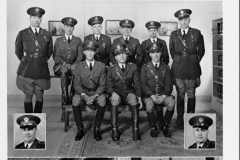 Besides serving as an Army post, during the 1930s Fort Douglas was a district headquarters of the New Deal's Civilian Conservation Corps (CCC). The Army provided logistical support for the CCC and its thousands of workers, though the actual running of the program was under civilian control. Many Army officers resented their CCC assignment (and none more so that Army Chief of Staff Douglas MacArthur), but managing CCC logistics proved to be an ideal preparation for transforming millions of civilian draftees into a wartime Army.
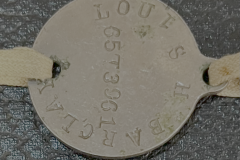 Louis Barclay's first Army dog tag. Made of aluminum and nickel-copper alloy, circular dog tags of the type shown here were issued from 1916 to the early 1940s when they were replaced by oblong tags. The lettering on the tag would have been stamped using an individual punch for each letter and numeral.
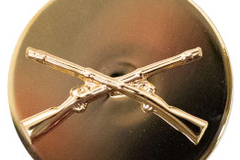 Louis Barclay's US Army Infantry collar insignia depicting two crossed 1795 Springfield Armory flintlock muskets. This same insignia is still used as the symbol of the US Army infantry.
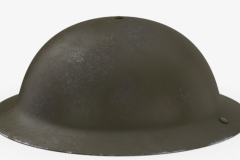 Originally issued during the First World War, the M1917 "Brodie" helmet remained in US service until it was replaced by the iconic M1 helmet in 1941.
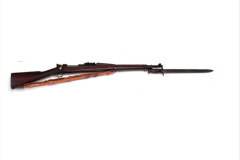 The bolt-action, .30 caliber M1903 Springfield rifle was the standard infantry weapon when Barclay enlisted in 1938. Powerful and accurate, the 1903's strong recoil made it a difficult weapon to master.
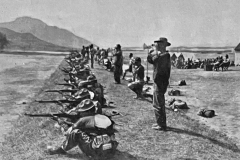 Soldiers on the range at Fort Douglas are shown firing from the sitting position. Soldiers could qualify with weapons at one of three levels ranging from Marksman to Sharpshooter to Expert. Qualifying as Expert added an extra $5.00 a month to a private's base pay of $21.00. Photographs from "Fort Douglas 1938."
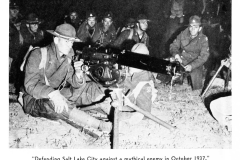 The Browning M1917 machine gun shown here was water cooled, though in this photograph the water cans that would have been used when actually firing the weapon are not attached. While at Fort Douglas Barclay learned to fire the M1917 with enough proficiency that when he transferred to Panama in January 1940, his MOS changed from "Rifleman" to "Heavy Machine Gunner."
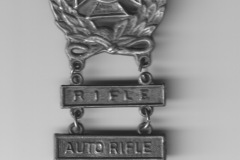 Among Barclay's effects is this Expert's badge with qualifications for RIFLE, AUTO RIFLE, and MACHINE GUN. The "RIFLE" would have been the M1903 Springfield. The "AUTO RIFLE" would have been the M1918 Browning Automatic Rifle (BAR). The "MACHINE GUN" would have been the Browning M1917 Machine Gun.
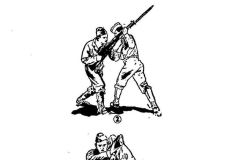 The leadership of interwar Army considered the bayonet to be a key weapon of the infantry, and so soldiers underwent long hours of bayonet training. It did not hurt that training soldiers to fight with bayonets was cheaper than sending them to the firing range to burn through thousands of rounds of expensive ammunition. Barclay qualified as an Expert with the bayonet on June 30, 1938.
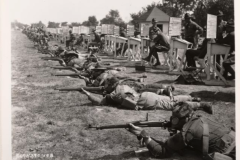 Original Caption: "National Rifle Matches, Camp Perry, Ohio, Aug. 25 - Sept. 14, 1930 Typical combat firing--with gas masks." Because of the experience of the First World War, Barclay and other soldiers of the interwar Army underwent extensive training in the wearing and use of gas masks. Some of Private Barclay's NCOs had survived gas attacks during the First World War and transferred their terror of the weapon onto their soldiers. Photo: https://catalog.archives.gov/id/405231277
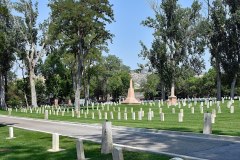 In August 1938, Barclay was sentenced to thirty days in the Fort Douglas guardhouse for being Absent Without Leave (aka "AWOL" aka "going over the hill"). Following this incident, Barclay behaved himself well enough to be appointed to the Fort Douglas Honor Guard. Among the duties of the honor guard was firing volleys at the funerals of veterans buried in the historic Fort Douglas Cemetery. Barclay came to dislike this duty because the first crack of the rifles would cause the mourners to flinch followed by pitiful sobbing from the women in attendance. Photo taken in 2020: https://en.wikipedia.org/wiki/Fort_Douglas#/media/File:Fort_Douglas_Post_Cemetery_-_Salt_Lake_City,_Utah_-_6_September_2020.jpg
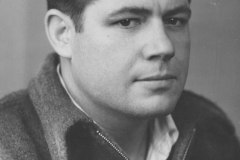 Undated photograph of Louis H. Barclay in civilian clothes. This photograph likely dates from his first year or two in the Army. Unlike many soldiers, Barclay never had himself formally photographed in uniform.

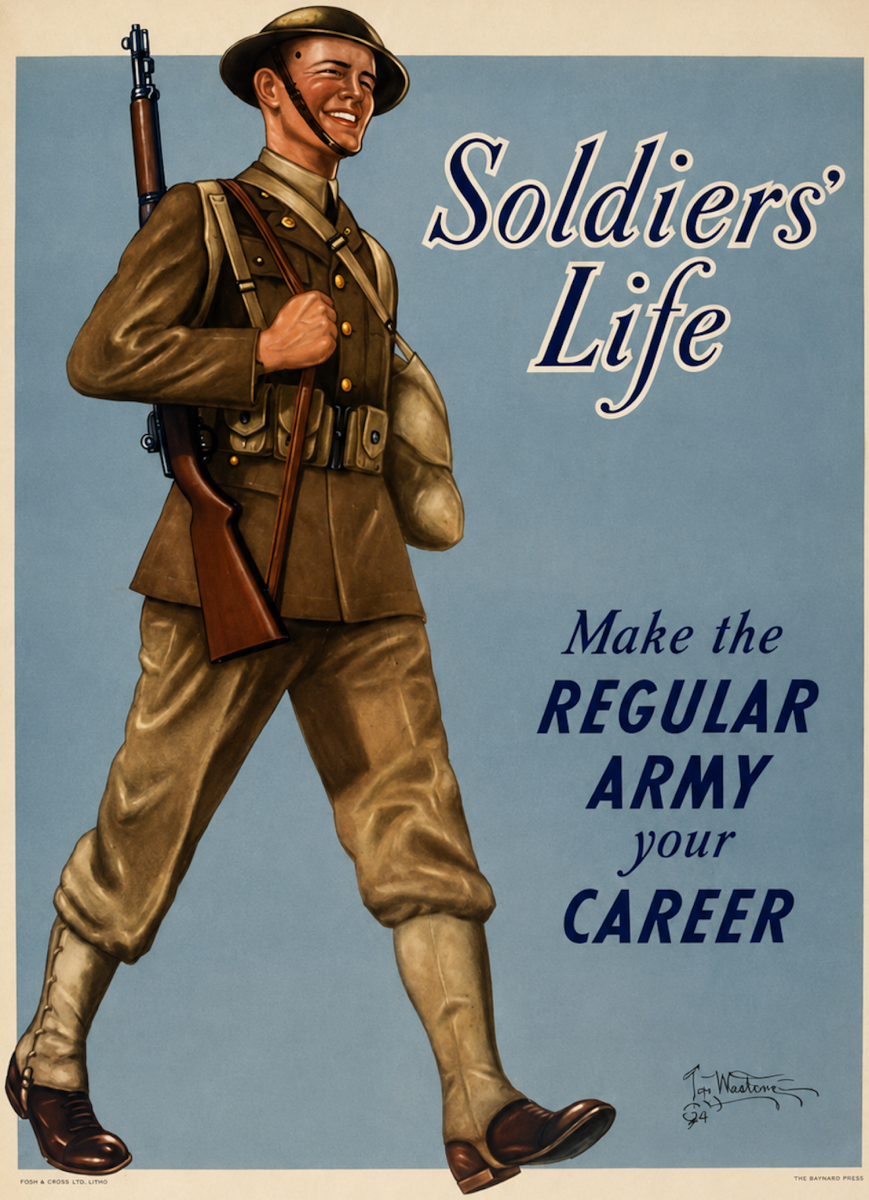 This image appeared on the cover of an Army recruitment brochure published around the time Louis Barclay first enlisted in the Army. When Barclay enlisted in January 1938, unemployment was high enough that plenty of desperate young men were willing to enlist for a salary of $21.00 a month plus "three hots and a cot." On top of that, the interwar US Army of 1938 was so tiny--about 170,00 troops, Air Corps included--that it did not need to recruit all that many men.
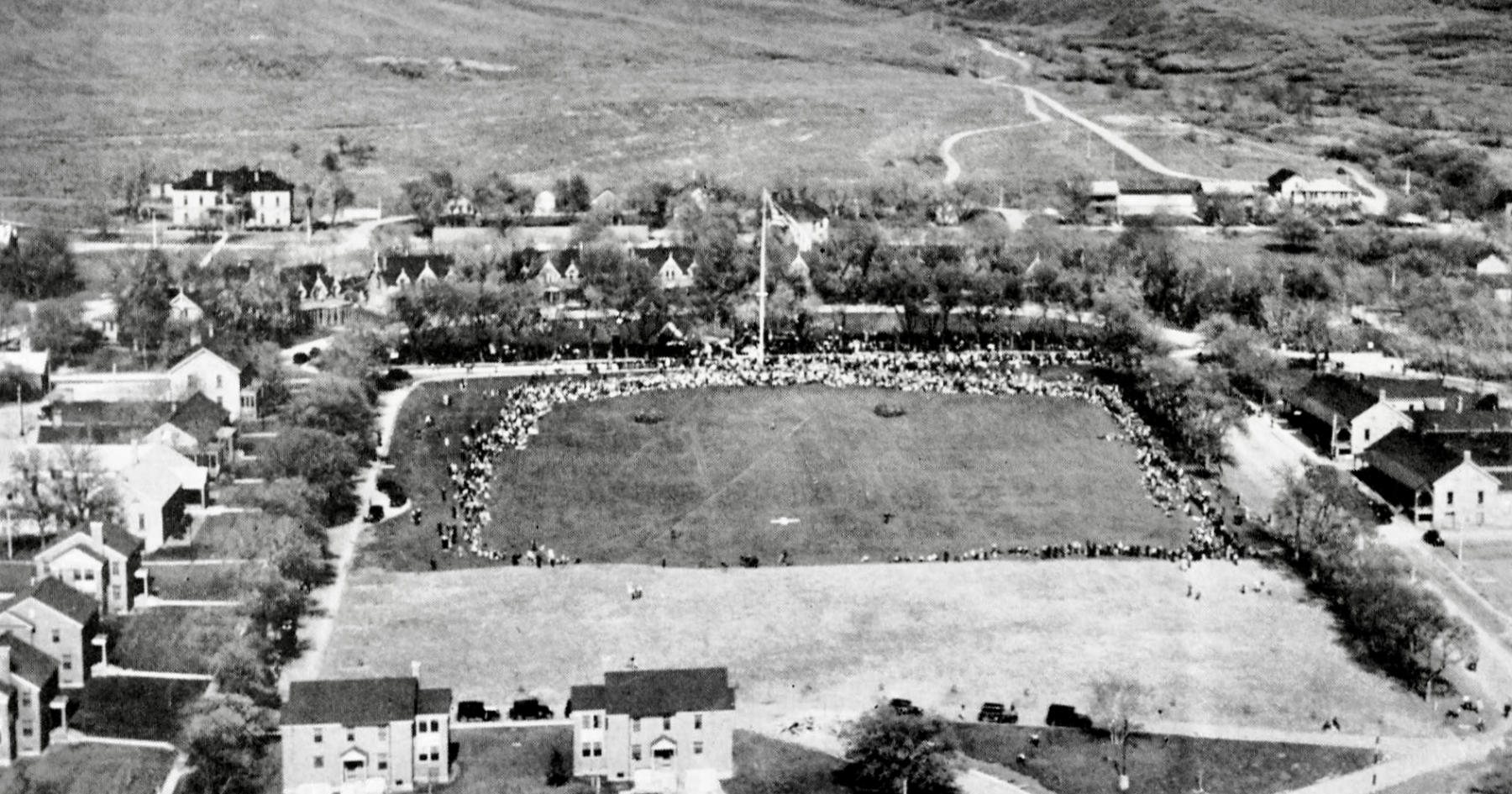 Barclay took a train from his hometown of Emmett, Idaho to Fort Douglas, Utah where he was sworn into the Army on January 19, 1938. This image shows the fort's parade ground and surrounding buildings. Photograph from the post yearbook, "Fort Douglas 1938"
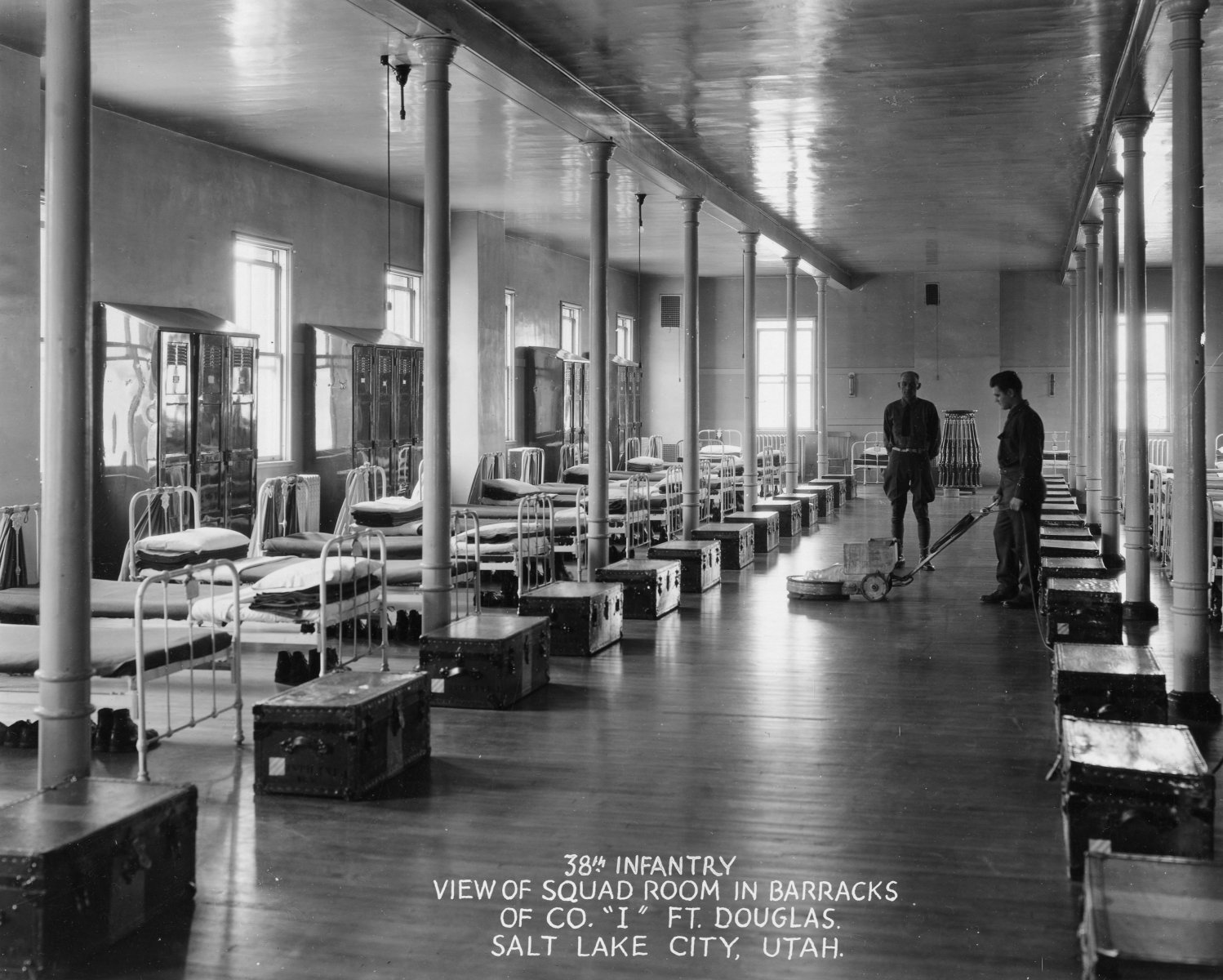 This photograph of the interior of a barracks at Fort Douglas shows what Barclay's living quarters would have looked like. Though this photograph is undated, the uniforms suggest it was taken during the interwar period between the First and Second World Wars.
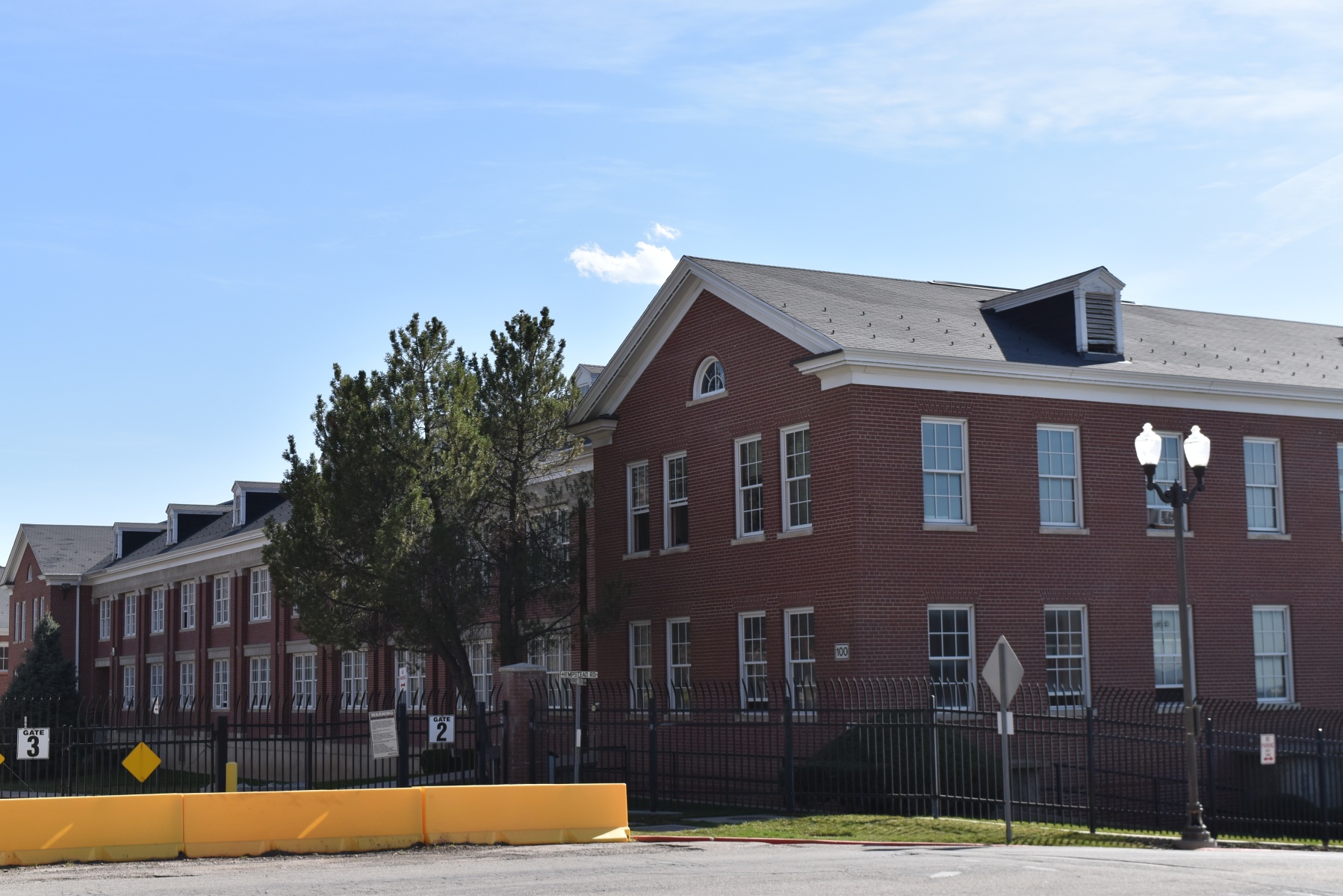 The Fort Douglas building shown in this 2017 photo is what Barclay called "the New Barracks." He would have been among the original occupants of these barracks when they were completed 1939 as a project of Roosevelt's New Deal. This building remains in use, though not by the military. Fort Douglas was placed on closure status in 1975, with the slow process of transition from military to civilian use finally ending when the site was fully transferred to the University of Utah in 2026. Photo: https://livingnewdeal.org/sites/copy-fort-douglas-barracks-salt-lake-city-ut/
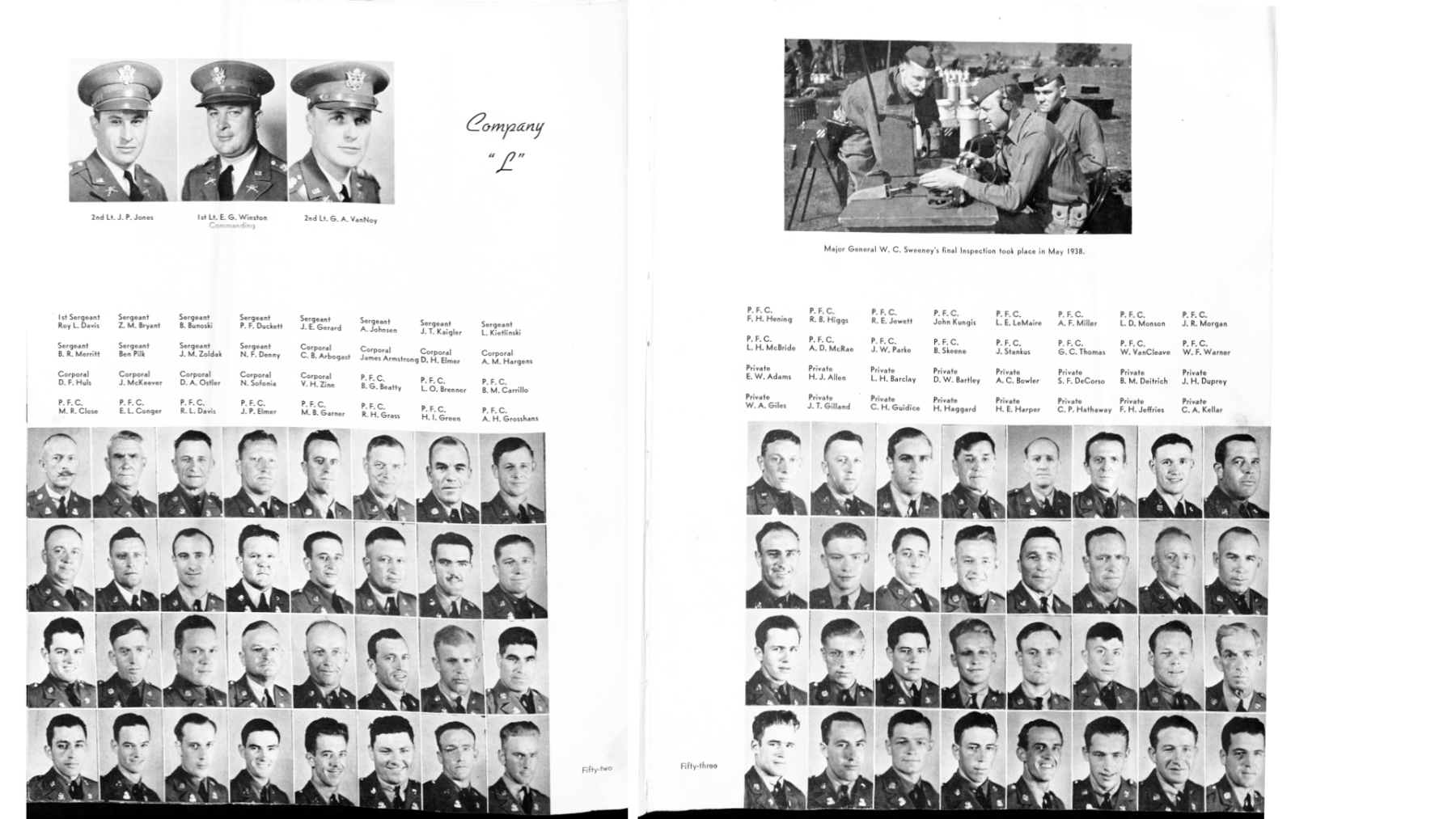 On the day he was sworn into the Army, Louis Barclay reported straight to the 38th Infantry's Company L without undergoing the type of group basic training that became the norm shortly before the start of the Second World War and continues to the present day. Instead, he was taught soldiering by the company NCOs through a process very much like an apprenticeship. Private Barclay in on the right-hand page, third row from the top, third man from the left. These pages are from the post yearbook "Fort Douglas 1938."
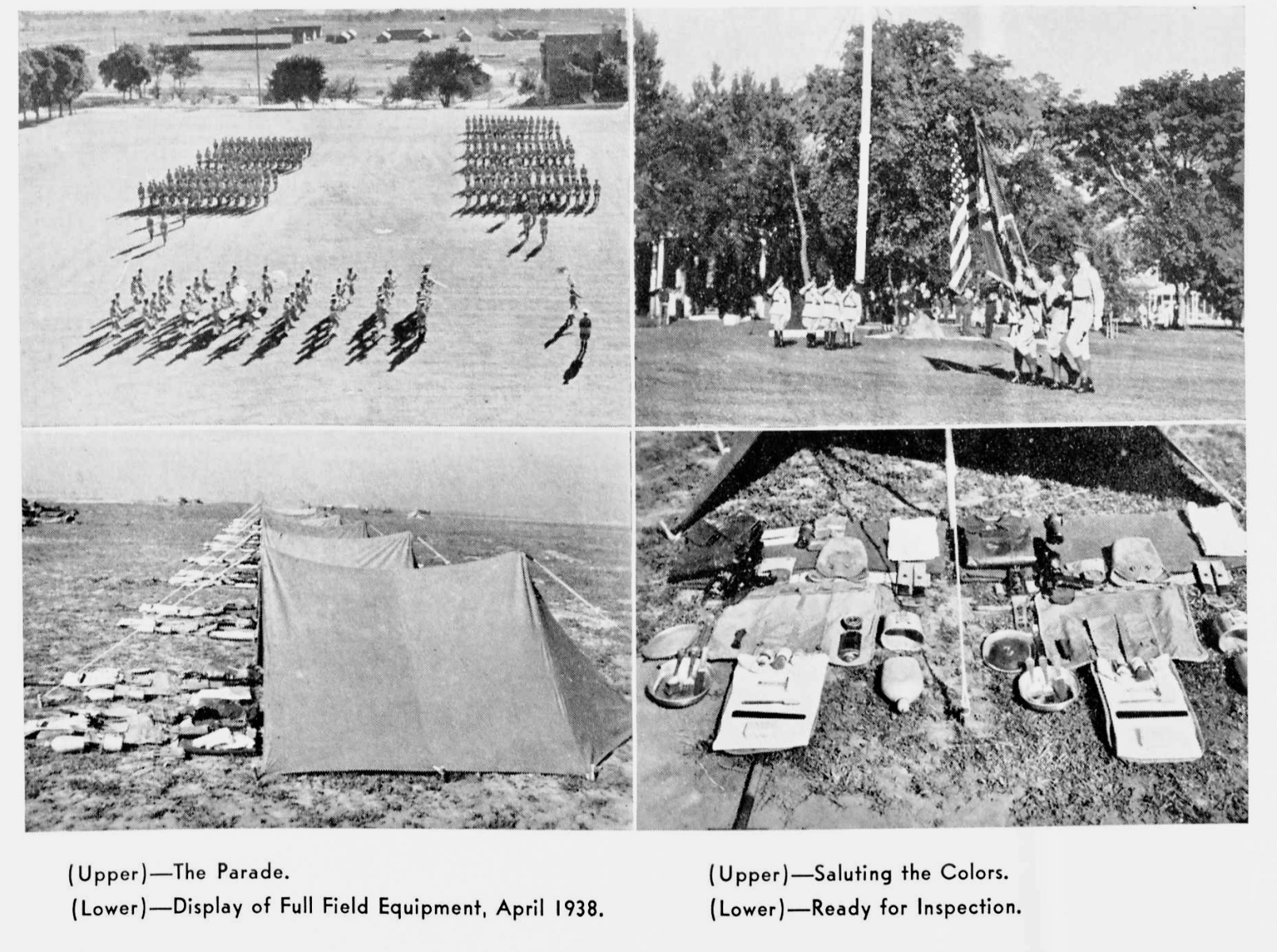 These images from "Fort Douglas, 1938" give a sense of the routines of soldiering in the interwar US Army.
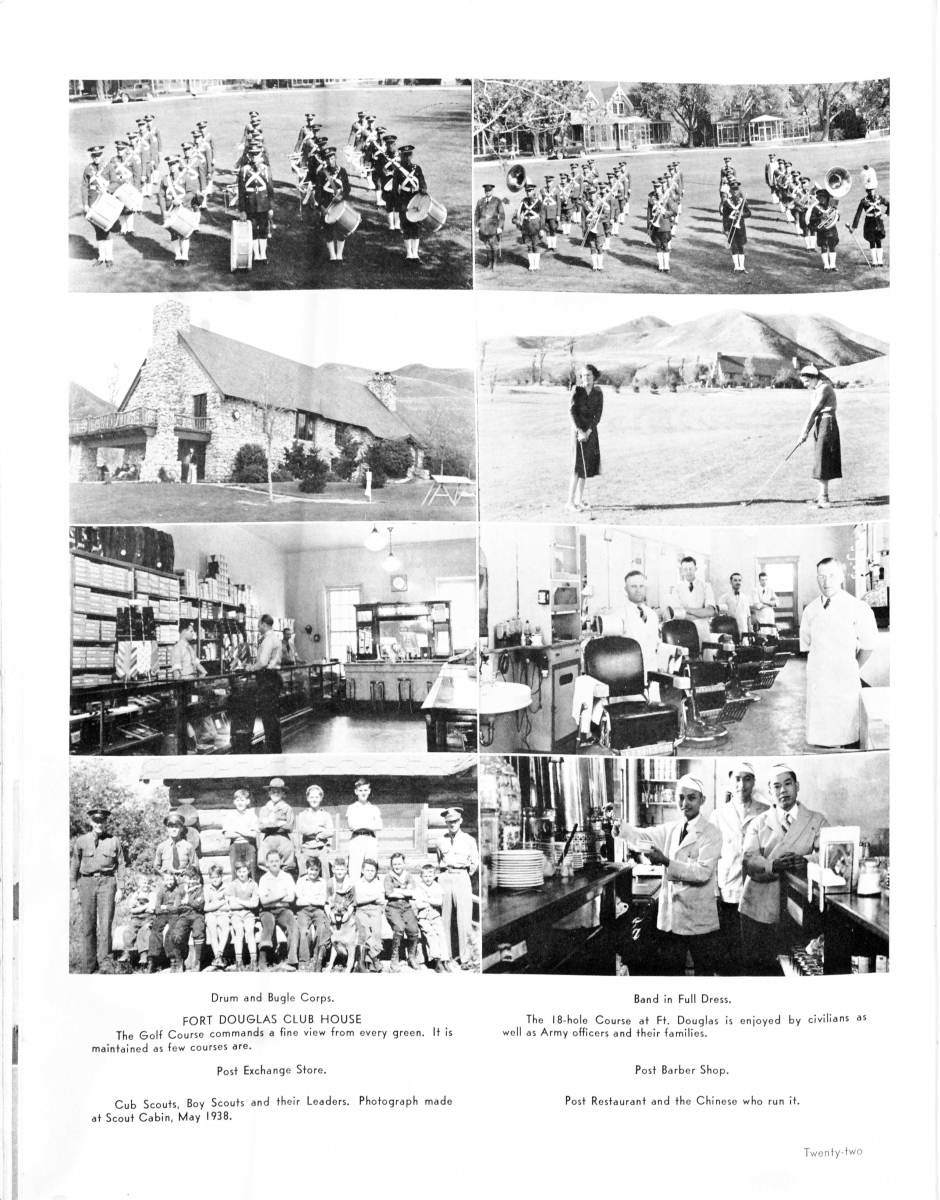 These photographs depict some of the amenities offered at Fort Douglas in 1938. While the post club house and golf course were the purview of officers, a private like Louis Barclay would have certainly purchased items from the post exchange, gotten his hair cut at the post barber shop, and may have occasionally dined at the post restaurant. Soldier's ate most of their meals in the mess hall where they were not charged for their food. Photograph: "Fort Douglas 1938."
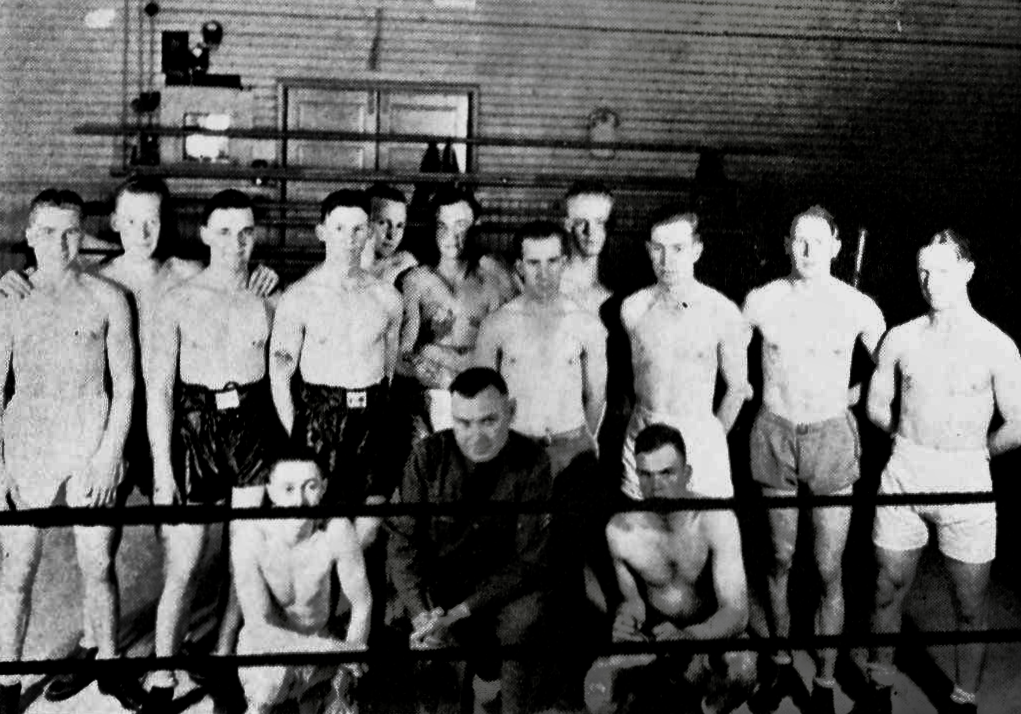 Company H boxing team, Fort Douglas post champions of 1938. Sports were an important component of a soldier's life in the interwar Army, and no sport was more popular than boxing. Barclay was invited to join his company boxing team but was advised against it by an older soldier who saw boxing as a way for officers to exploit soldiers for their entertainment. Photograph "Fort Douglas 1938."
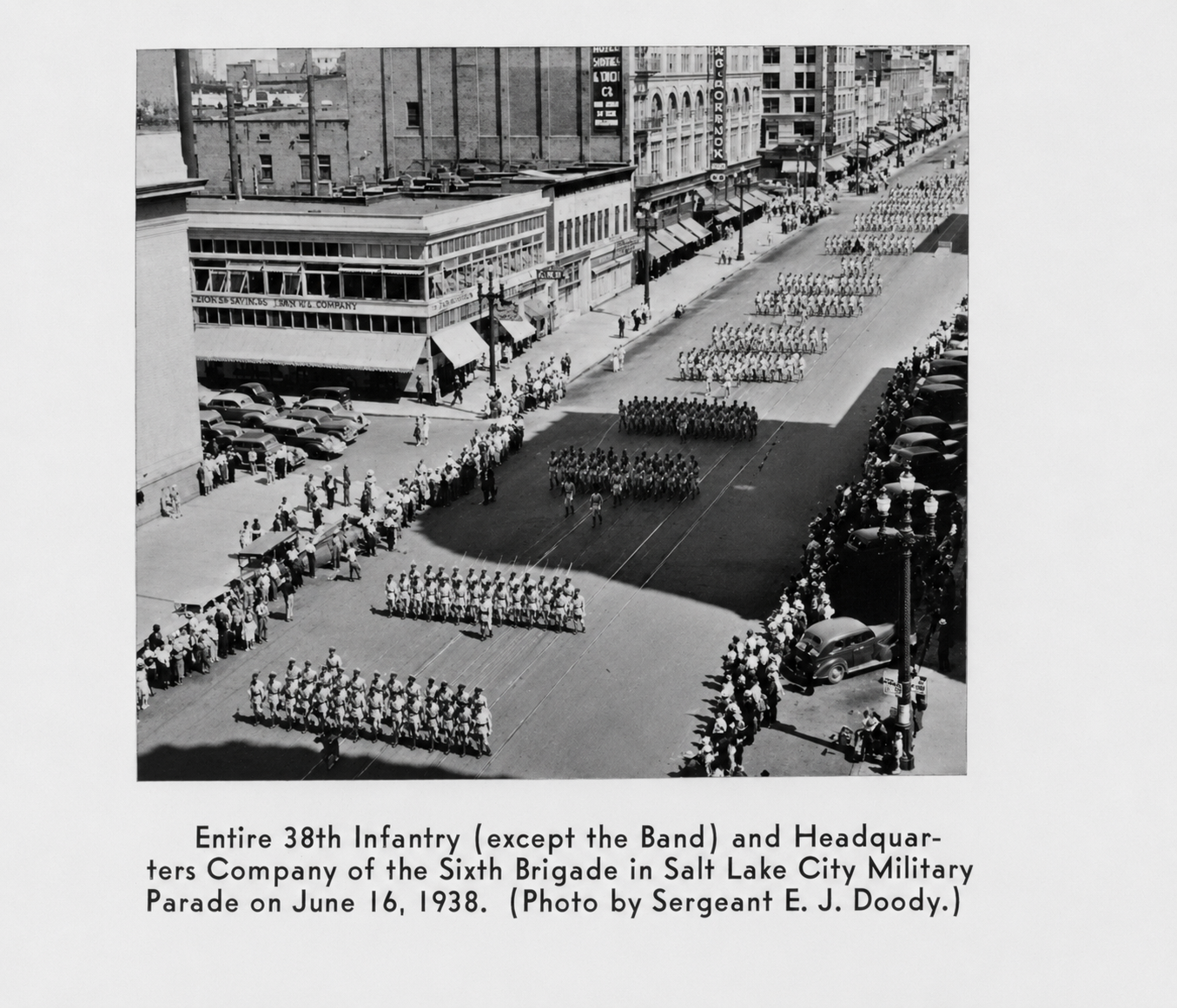 Louis Barclay would have been among the troops of the 38th Infantry marching through downtown Salt Lake City, Utah on June 16, 1938. The men of the interwar Army spent a great deal of time marching and performing close-order drill, either practicing on the fort's parade grounds or in front of spectators. In an Army working with a very tight budget, marching was an inexpensive way to keep soldiers occupied and in good physical shape while also instilling discipline. Photograph: Sergeant E.J. Doody.
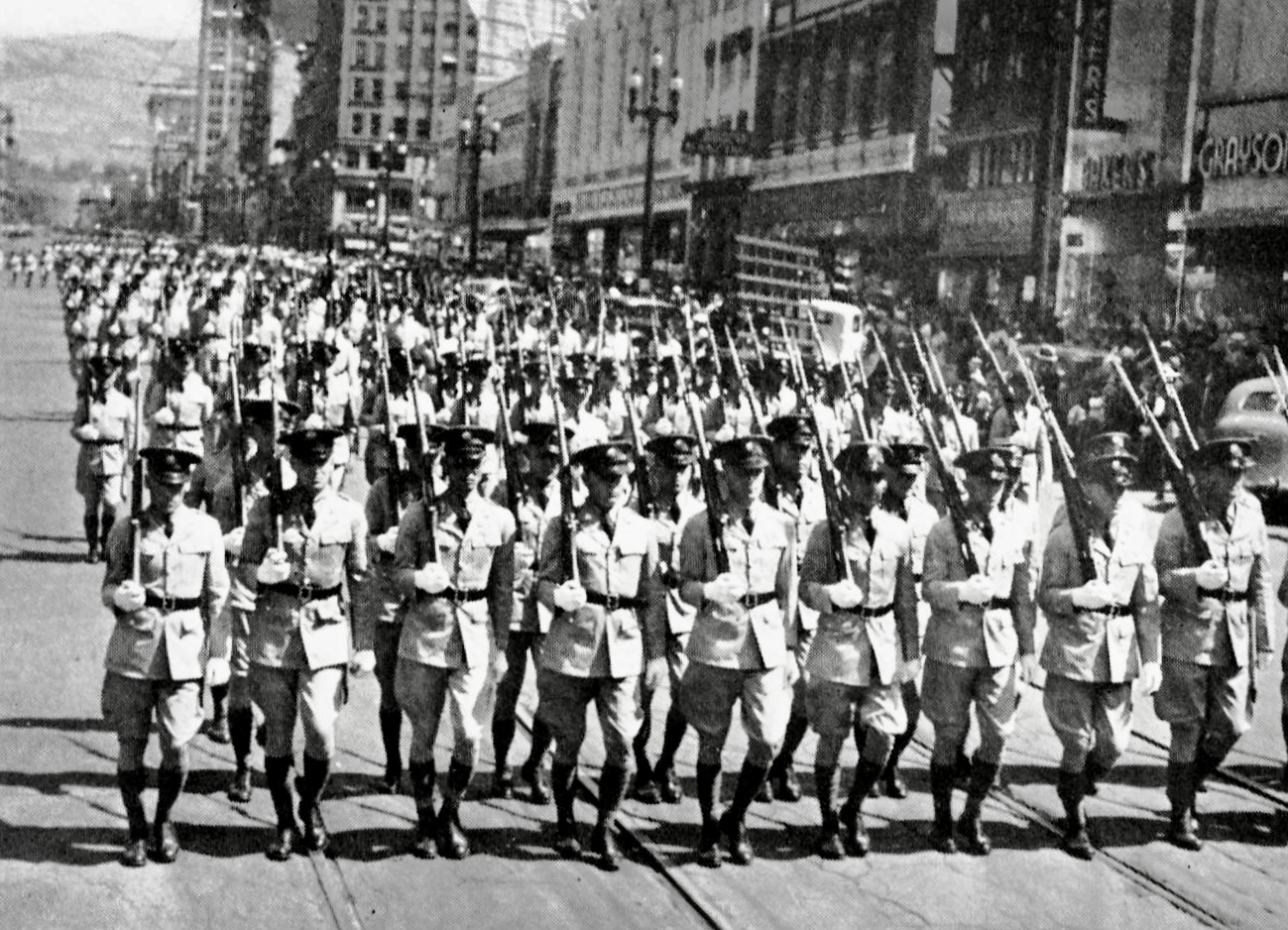 The original caption for this photograph from "Fort Douglas 1938" reads: "38th Infantry Parades with the National Guard, June 16th, 1939." Note that the soldiers wear WWI-issue puttees rather than the canvas gaiters worn in WWII. Barclay said he spent hours learning to wrap puttees, which he called "leggings," to the satisfaction of the corporal teaching him what soon became an arcane art.
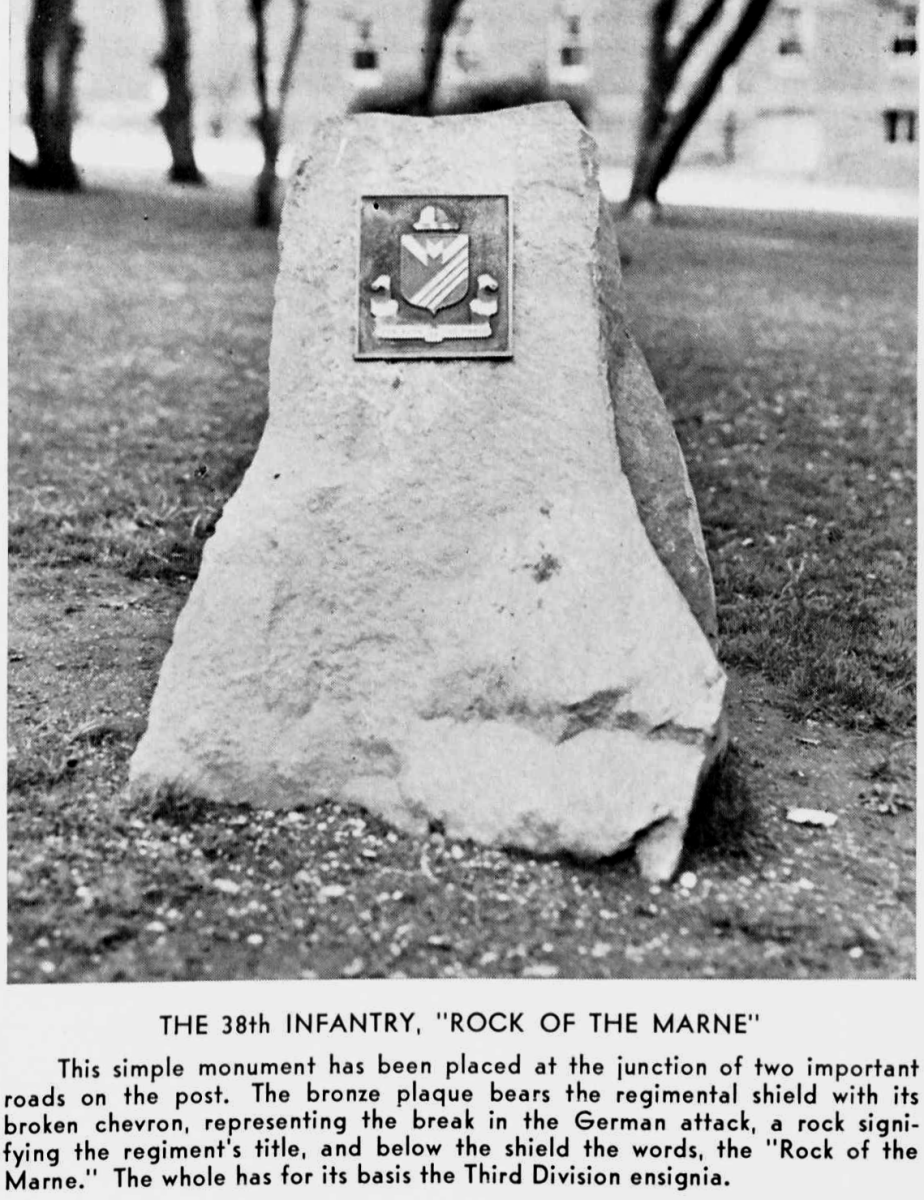 The monument to the role the 3rd Division and the 38th Infantry played in the Battle of the Marne during the First World War reflects the importance the Army placed in instilling a sense of unit pride in its soldiers. Barclay was well aware of the history of the 38th Infantry and often referred to his old outfit as the "Rock of the Marne." Photograph: "Fort Douglas 1938."
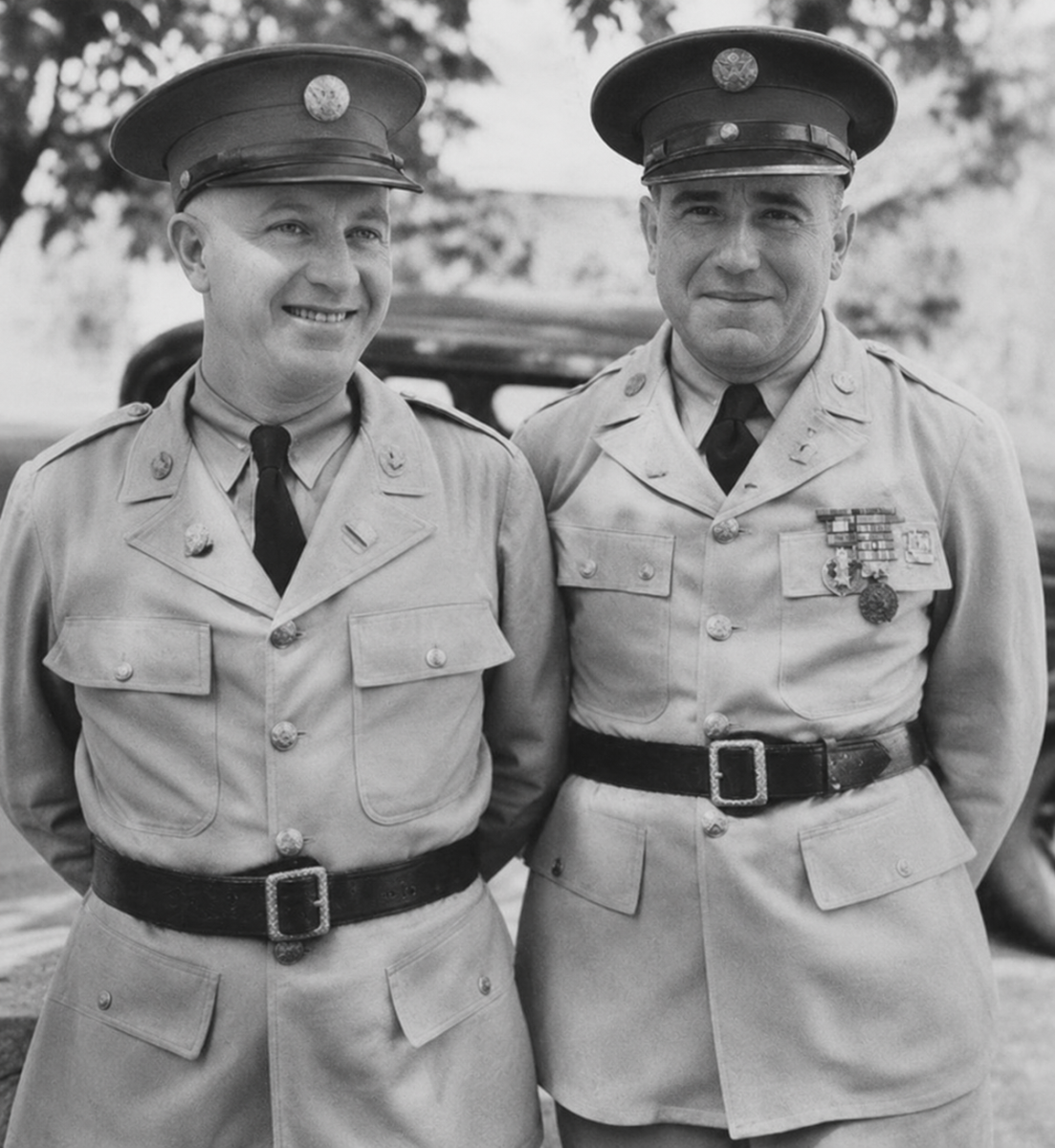 Original caption in "Fort Douglas 1938" reads, “Sergeants Charles O’Connor and Frank Thomas went through the World War with the regiment. They are the only enlisted men left in the 38th Infantry with this distinction.” These two sergeants may well have participated in the Battle of the Marne. When Barclay joined the regiment in 1938, many of the senior NCOs and officers were veterans of the First World War, though all but the two shown here had served with other regiments over the previous twenty years. It was somewhat common for soldiers of the interwar Army to go back and forth between stateside regiments and overseas posts where their Army pay went further than in the States. During the interwar period, overseas posts included Hawai'i, Puerto Rico, Panama, the Philippines, and China.
 Major General Walter C. Sweeney, Sr. was the commander of the Sixth Brigade of which the 38th Infantry was a component. In 1938, Sweeney transferred from Fort Douglas to Fort Lewis, Washington to take command of the 3rd Infantry Division, the parent unit of both the Sixth Brigade and the 38th Infantry Regiment. Sweeney retired from active duty due to age on November 30, 1940. He was likely a victim of Army Chief of Staff George C. Marshall's purge of older generals whom Marshall saw as lacking the stamina and energy that would be needed to lead troops in combat should the United States become embroiled in the war already raging in Europe and Asia. Photograph: Lewis Army Museum Website (http://www.lewis-mcchord.army.mil/dptms/museum/images/commanders/BG%20WALTER%20C%20SWEENEY-%20JUN%201938-%20AUG%201940.jpg)
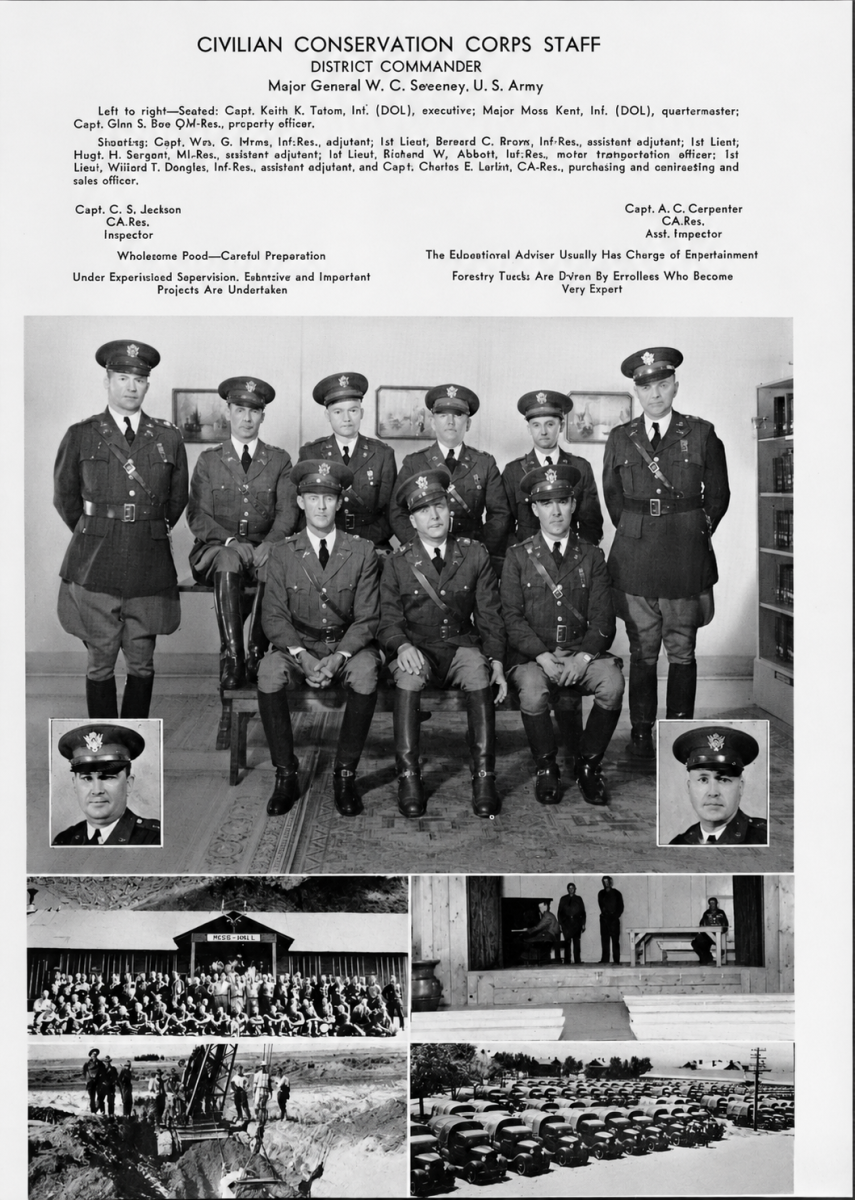 Besides serving as an Army post, during the 1930s Fort Douglas was a district headquarters of the New Deal's Civilian Conservation Corps (CCC). The Army provided logistical support for the CCC and its thousands of workers, though the actual running of the program was under civilian control. Many Army officers resented their CCC assignment (and none more so that Army Chief of Staff Douglas MacArthur), but managing CCC logistics proved to be an ideal preparation for transforming millions of civilian draftees into a wartime Army.
 Louis Barclay's first Army dog tag. Made of aluminum and nickel-copper alloy, circular dog tags of the type shown here were issued from 1916 to the early 1940s when they were replaced by oblong tags. The lettering on the tag would have been stamped using an individual punch for each letter and numeral.
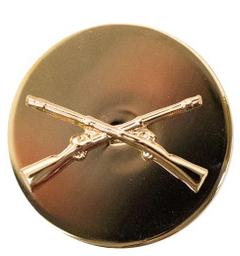 Louis Barclay's US Army Infantry collar insignia depicting two crossed 1795 Springfield Armory flintlock muskets. This same insignia is still used as the symbol of the US Army infantry.
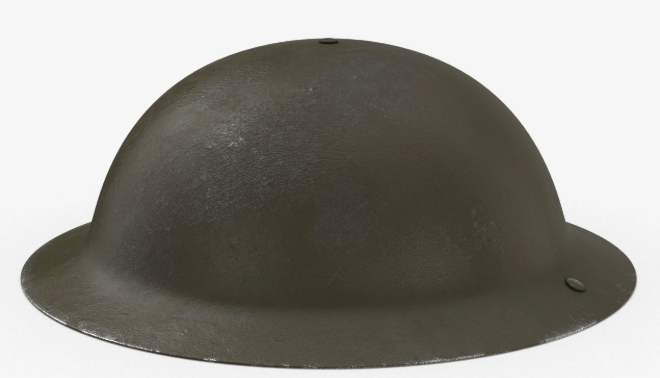 Originally issued during the First World War, the M1917 "Brodie" helmet remained in US service until it was replaced by the iconic M1 helmet in 1941.
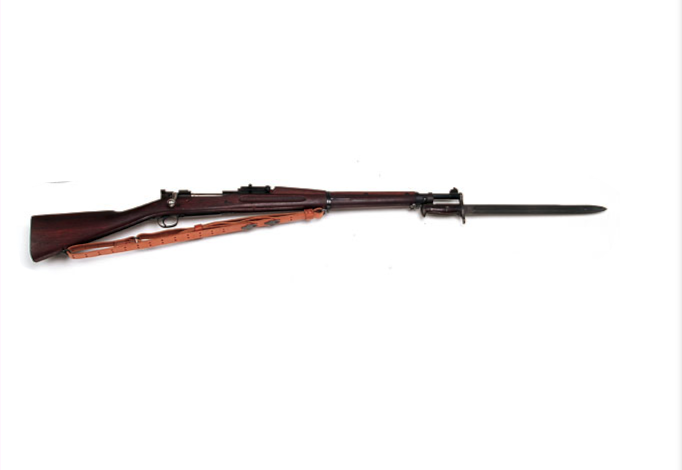 The bolt-action, .30 caliber M1903 Springfield rifle was the standard infantry weapon when Barclay enlisted in 1938. Powerful and accurate, the 1903's strong recoil made it a difficult weapon to master.
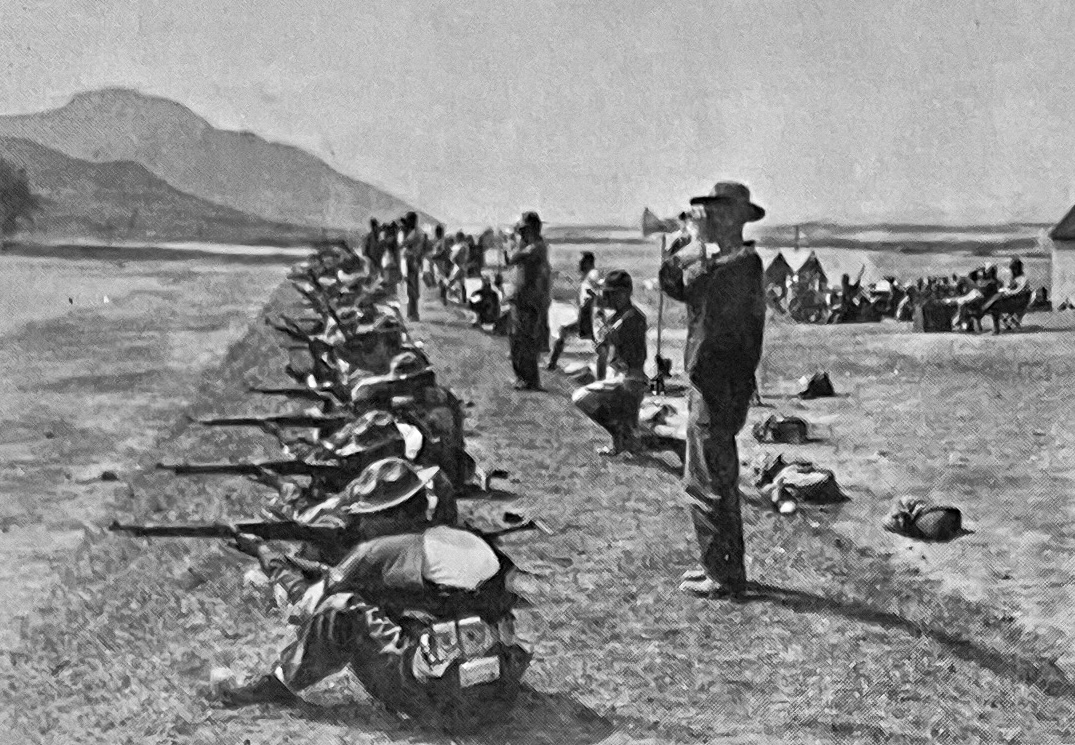 Soldiers on the range at Fort Douglas are shown firing from the sitting position. Soldiers could qualify with weapons at one of three levels ranging from Marksman to Sharpshooter to Expert. Qualifying as Expert added an extra $5.00 a month to a private's base pay of $21.00. Photographs from "Fort Douglas 1938."
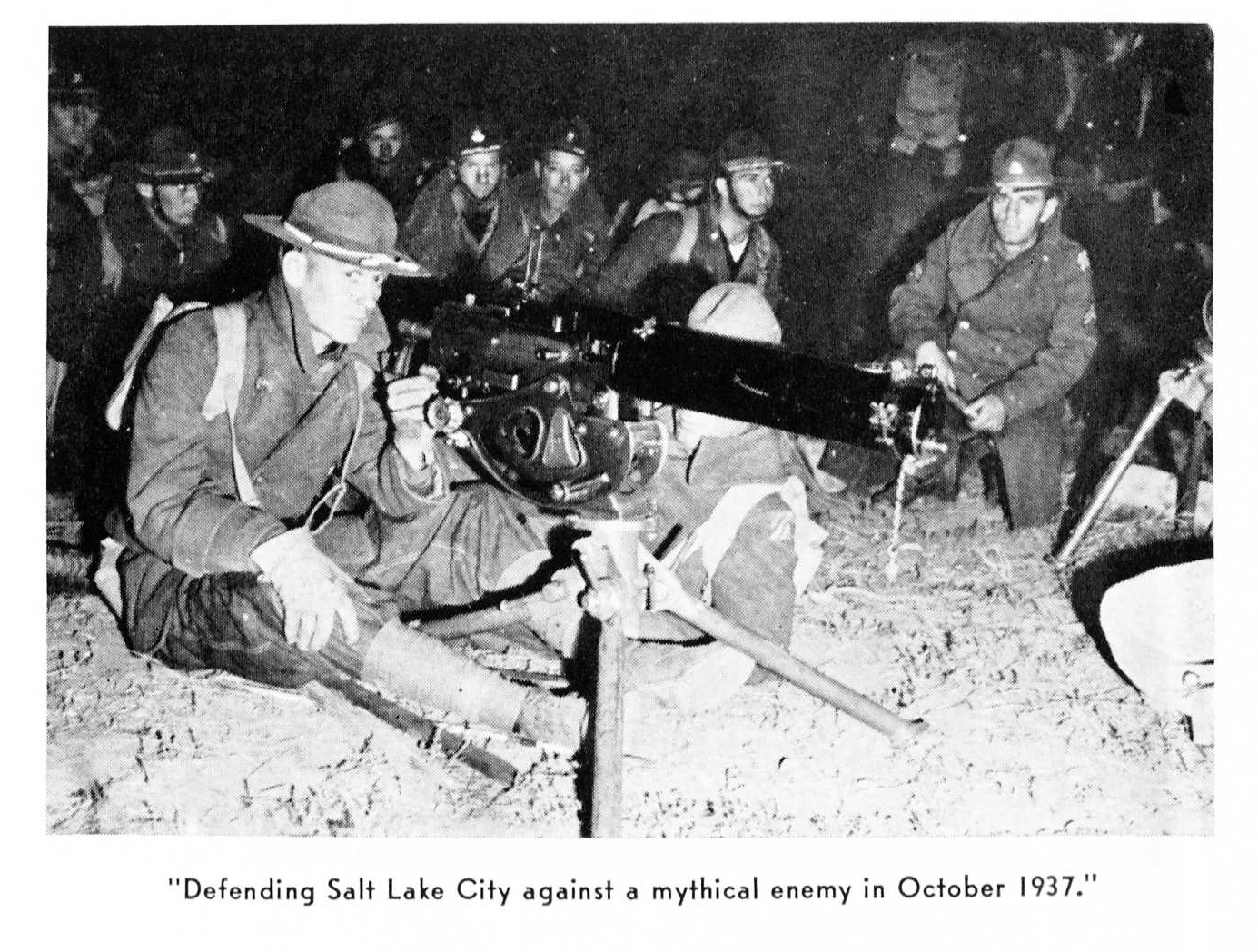 The Browning M1917 machine gun shown here was water cooled, though in this photograph the water cans that would have been used when actually firing the weapon are not attached. While at Fort Douglas Barclay learned to fire the M1917 with enough proficiency that when he transferred to Panama in January 1940, his MOS changed from "Rifleman" to "Heavy Machine Gunner."
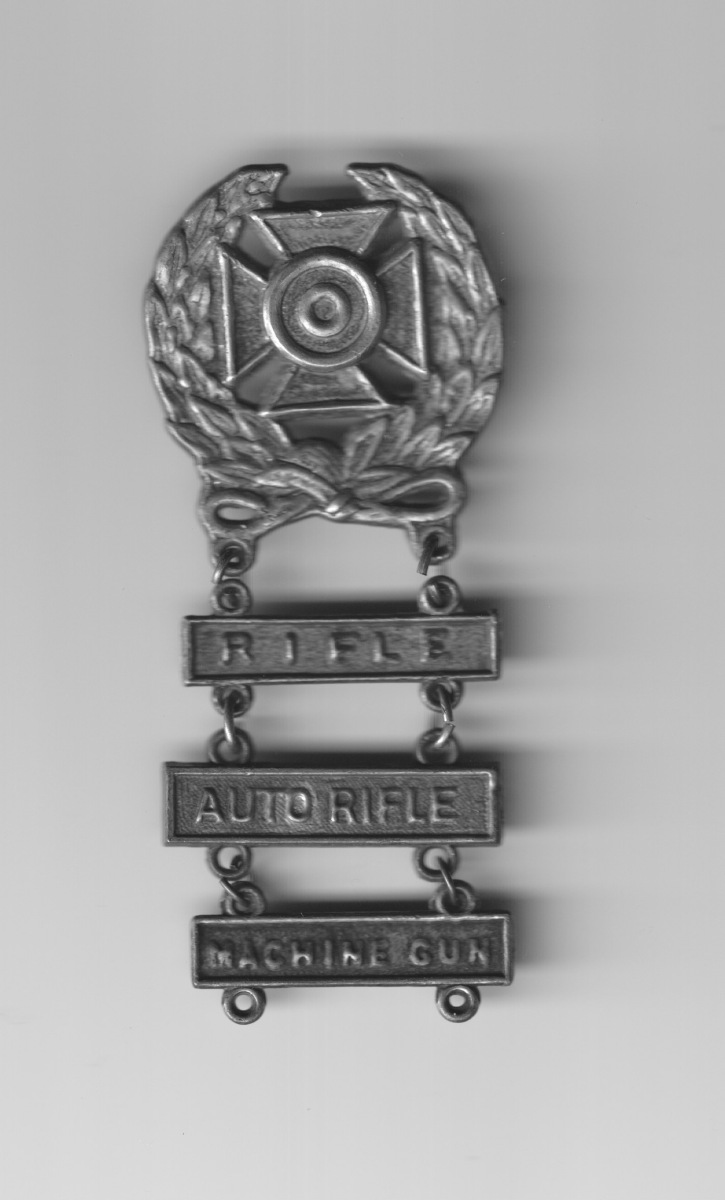 Among Barclay's effects is this Expert's badge with qualifications for RIFLE, AUTO RIFLE, and MACHINE GUN. The "RIFLE" would have been the M1903 Springfield. The "AUTO RIFLE" would have been the M1918 Browning Automatic Rifle (BAR). The "MACHINE GUN" would have been the Browning M1917 Machine Gun.
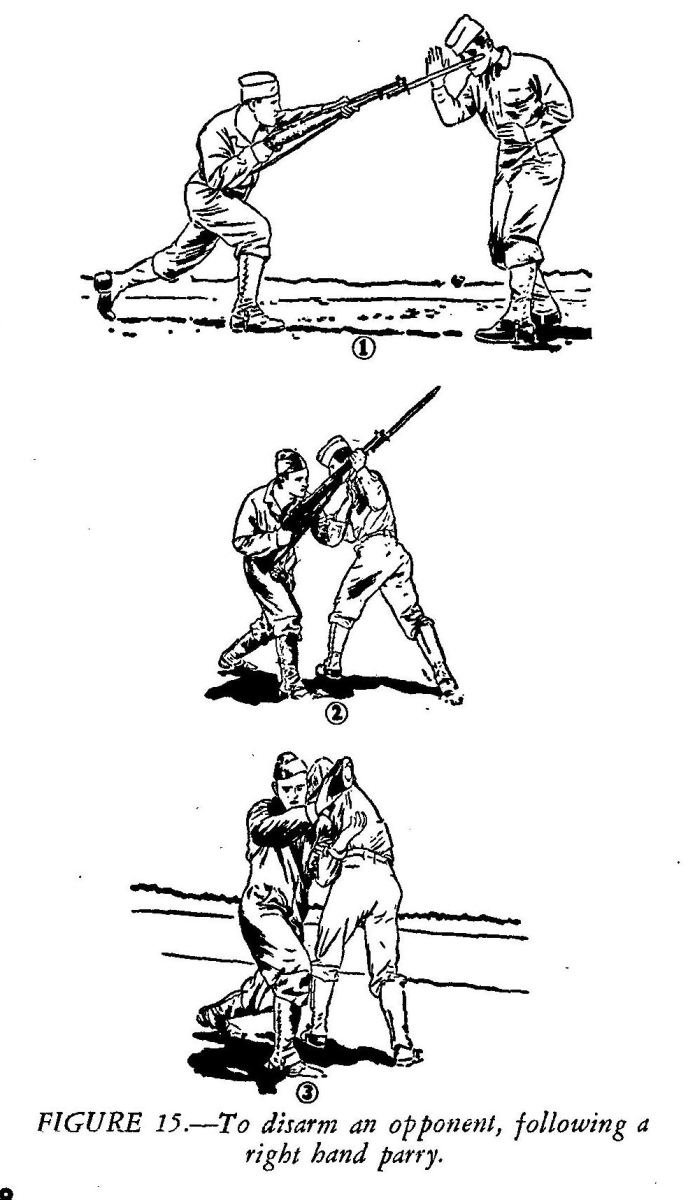 The leadership of interwar Army considered the bayonet to be a key weapon of the infantry, and so soldiers underwent long hours of bayonet training. It did not hurt that training soldiers to fight with bayonets was cheaper than sending them to the firing range to burn through thousands of rounds of expensive ammunition. Barclay qualified as an Expert with the bayonet on June 30, 1938.
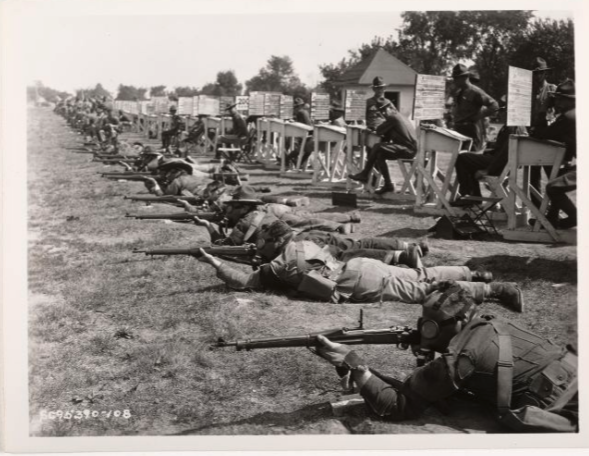 Original Caption: "National Rifle Matches, Camp Perry, Ohio, Aug. 25 - Sept. 14, 1930 Typical combat firing--with gas masks." Because of the experience of the First World War, Barclay and other soldiers of the interwar Army underwent extensive training in the wearing and use of gas masks. Some of Private Barclay's NCOs had survived gas attacks during the First World War and transferred their terror of the weapon onto their soldiers. Photo: https://catalog.archives.gov/id/405231277
 In August 1938, Barclay was sentenced to thirty days in the Fort Douglas guardhouse for being Absent Without Leave (aka "AWOL" aka "going over the hill"). Following this incident, Barclay behaved himself well enough to be appointed to the Fort Douglas Honor Guard. Among the duties of the honor guard was firing volleys at the funerals of veterans buried in the historic Fort Douglas Cemetery. Barclay came to dislike this duty because the first crack of the rifles would cause the mourners to flinch followed by pitiful sobbing from the women in attendance. Photo taken in 2020: https://en.wikipedia.org/wiki/Fort_Douglas#/media/File:Fort_Douglas_Post_Cemetery_-_Salt_Lake_City,_Utah_-_6_September_2020.jpg
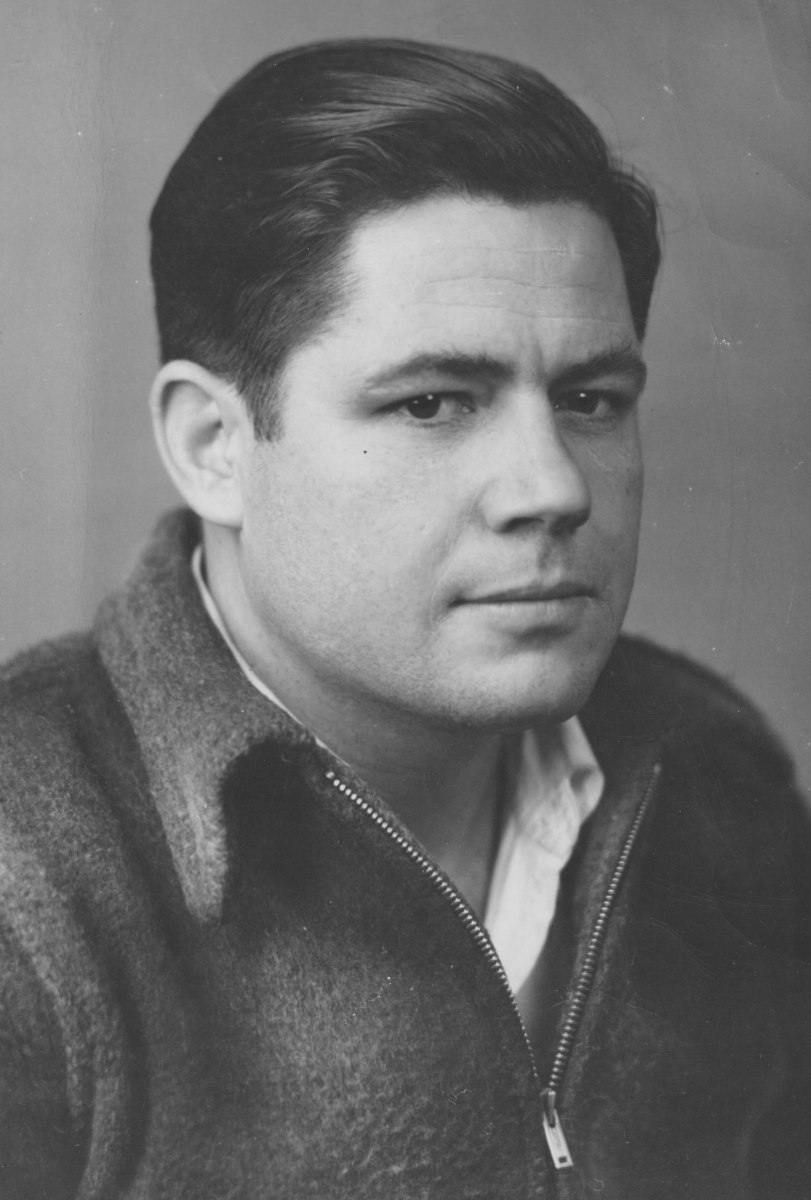 Undated photograph of Louis H. Barclay in civilian clothes. This photograph likely dates from his first year or two in the Army. Unlike many soldiers, Barclay never had himself formally photographed in uniform.