Skip to content
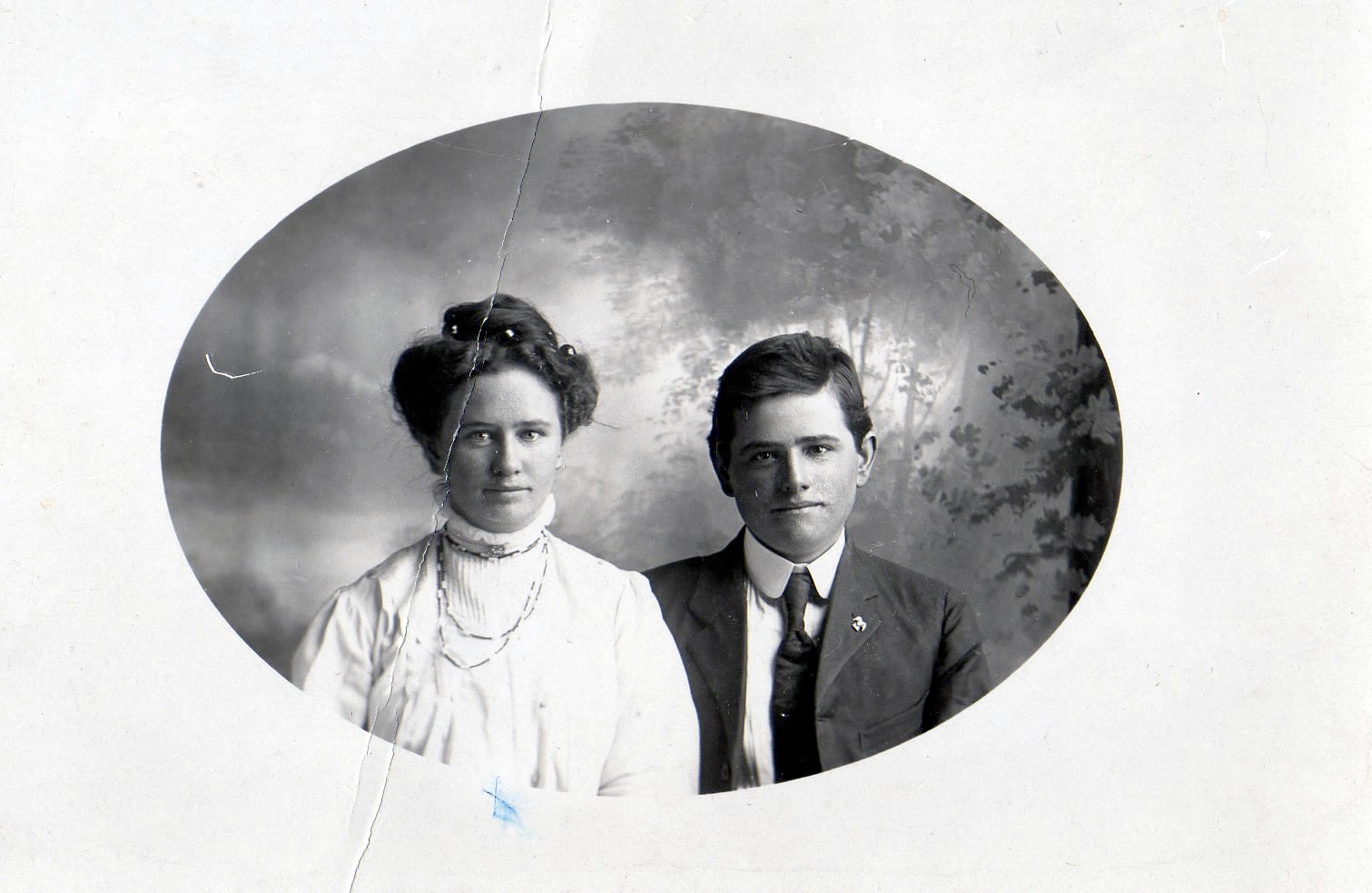
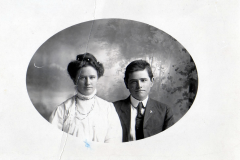 Fraternal twins Alice and Allison Barclay, circa 1905. Louis Barclay's father, Allison Barclay, was born in northern Kansas on December 27, 1891. Though Allison Barclay's full name was Henry Allison Barclay, he routinely went by Allison to distinguish himself from his father, Henry Barclay.
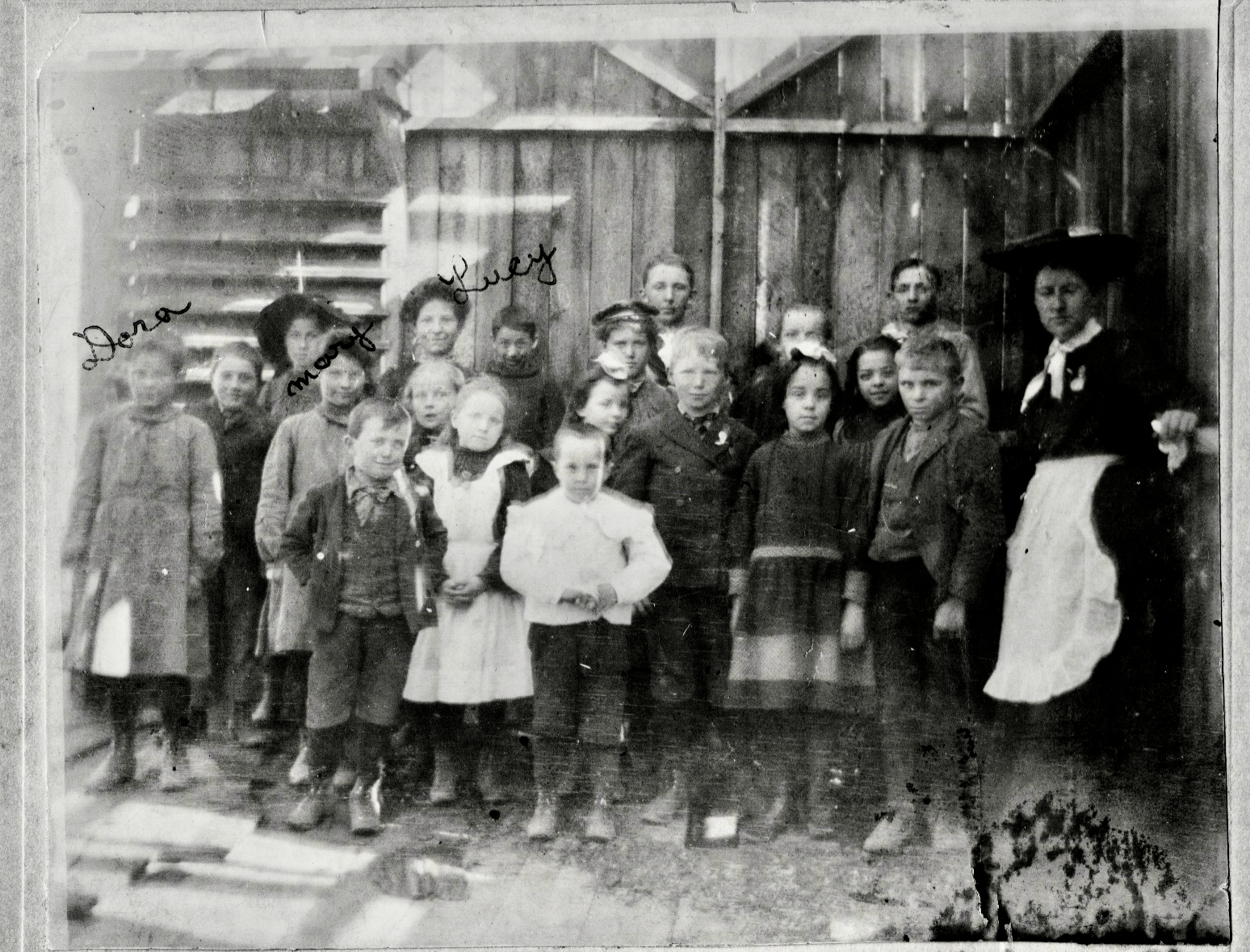
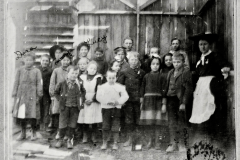 The back of this image reads: "School Photo, Kalispell Montana, 1906. Miss Grace Brandenburg, teacher. Taken in an old saw mill boarding house used as a school until new school house." Dora Schum, Louis Barclay's mother, stands on the left. Dora's fraternal twin sister, Mary, and older sister, Lucy, are in the photograph as well. Dora was born in Nebraska in 1895 to a large Catholic family that spoke German at home.
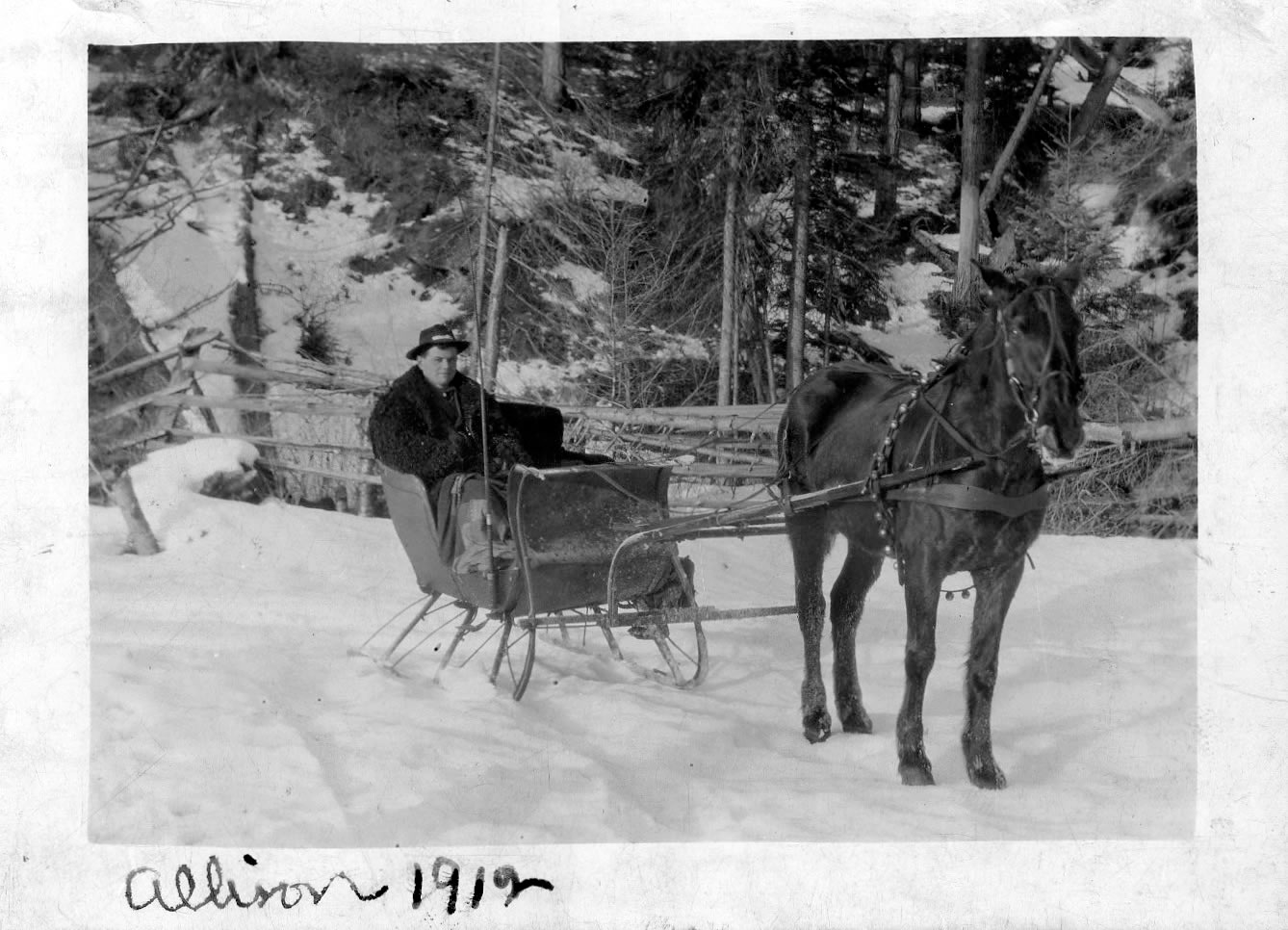
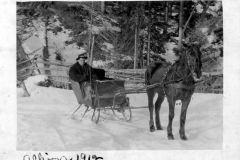 Allison Barclay near Eureka, Montana in 1912. One of his many jobs was delivering mail, and in the winter he used his horse-drawn sleigh to make his rounds.
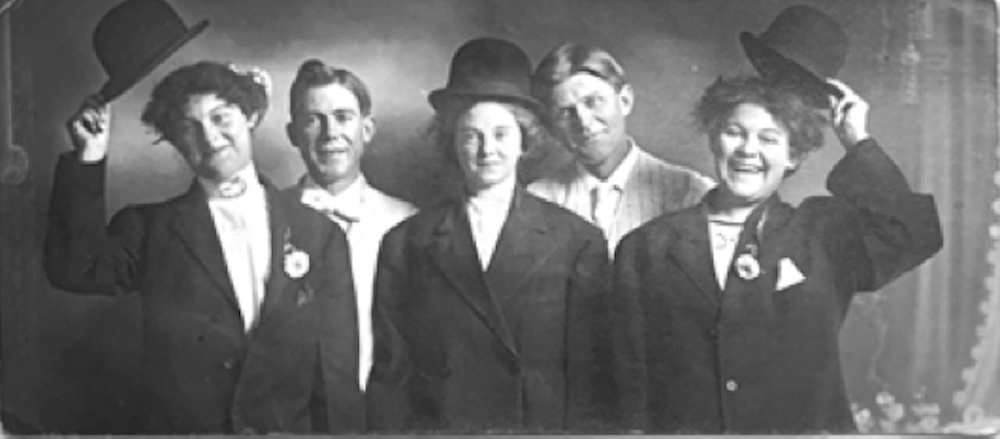
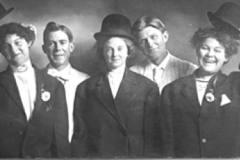 Three women attending a wedding celebration have appropriated men's jackets and hats to pose for a lighthearted photograph. The reverse of this photograph reads: "Mary and Ed just married." The woman on the right is Dora Schum Barclay, Louis Barclay's mother. The women on the left is Dora's fraternal twin sister, Mary. The woman in the middle is the groom's sister, Ida Munson. The two men are unidentified, but one of them is probably the groom, Ed Munson. Taken circa 1915 in Kalispell, Montana.
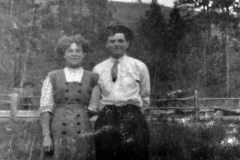 Louis Barclay's parents, Dora and Allison Barclay, on the Barclay family homestead near Eureka, Montana. This photograph was taken circa 1915.
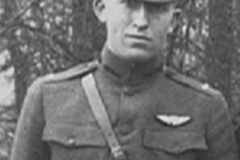 This photograph of Lieutenant Merle Howe of the 158th Pursuit Squadron was taken in Ireland some time after Howe and the rest of his squadron were rescued from their troopship, the Tuscania, following its torpedoing by a U-boat in February 1918. During the Second World War Colonel Merle Howe would command the 128th Infantry Regiment in which Louis Barclay served in the Philippines.
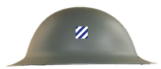
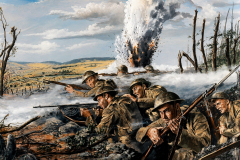 In July 1918, the 38th Infantry Regiment defended the Marne River crossings against a massive German onslaught. When units on the division's flanks fell back, the French commander asked if the 3rd Division also needed to retreat. The 3rd Division’s commander, Joseph Dickman, retorted, “"Nous Resterons La" (We shall remain here). The motto of the 3rd Infantry Divisions remains to this day, "Rock of the Marne."
Barclay's first unit on joining the Army was the 38th Infantry Regiment, and at that time there were still a few men in the regiment who had been with it since the First World War. The soldier in the center of the image is depicted firing the problematic French Chauchat machine gun. Credit: Mal Thompson, US Department of the Army poster No. 21-42, 1952.
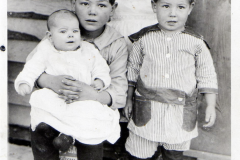 Barclay Family Children in 1921. Baby Eva Barclay (born August 4, 1920) sits in the lap of Elwood Barclay (born December 1913). Lena Barclay (born February 1915) stands behind them. Louis Henry Barclay (born August 4, 1918) stands to the right in a striped outfit. This photo was taken in Emmett, Idaho, the town to which the family moved from Montana and where Eva was born.
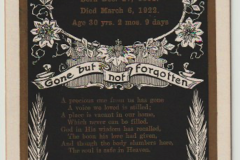 Allison Barclay died from diabetes on March 6, 1922, age 30.
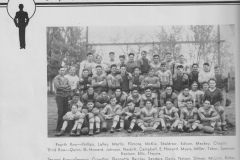 The Emmett High School Football team in the fall of 1935. Louis Barclay (second row, fourth player from the left) played center for the Emmett Huskies. The team's record that year was a less-than-impressive 1 win, 5 losses, and 1 tie. Barclay was only able to remain in school by using the money he earned picking fruit in the summer to buy his school clothes, including his football cleats. Photograph: "Squaw Butte Saga" school yearbook, 1936.
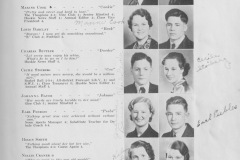 Louis Barclay, Emmett High School class of 1936. He is in the second row from the top, on the right. His caption reads:
"Louis Barclay _ _ _ _ _ _ _ _'Bark'
'Beware! I may yet do something sensational.'
'E' Club 4; Football 4."
When Barclay enlisted in the US Army 1938, soldiers who had graduated from high school were more the exception than the rule. Photograph: "Squaw Butte Saga" school yearbook, 1936.
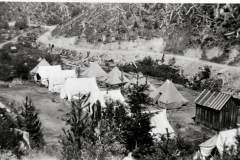 Blister Rust Camp, Northern Idaho. Blister rust is a non-native fungus that can migrate from gooseberry bushes to attack valuable stands of white pine. During the depression, the US Federal Government hired young men to root up and destroy gooseberry bushes. Louis Barclay and his older brother, Elwood, both worked on a blister rust crew in the summer of 1936.
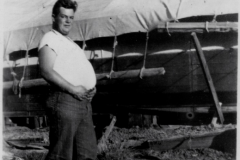 Louis Barclay's older brother, Elwood, showing off his sizable paunch at the blister rust camp in the summer of 1936.
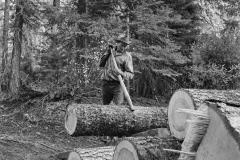 In the fall of 1939, under the auspices of the United States Farm Security Administration, photographer Dorothea Lange documented the Ola Cooperative Sawmill. In this photograph a worker uses a peavey to position a log. The Ola Cooperative Sawmill was located about 30 miles from where Louis Barclay had worked as a logger during the summer of 1937, and the tools and techniques depicted in Lange's photographs would have been identical to those used by Barclay. The complete collection of Lange's Ola Cooperative Sawmill photographs can be viewed on the Library of Congress website: https://www.loc.gov/pictures/item/2004674003.
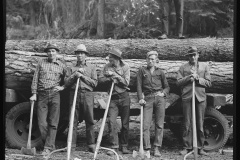 Original caption reads: "Five Idaho farmers, members of Ola self-help sawmill co-op, in the woods standing against a load of logs ready to go down to their mill about three miles away." Gem County, Idaho. 1939. Dorothea Lange photograph. Library of Congress website: https://www.loc.gov/pictures/item/2004674003.
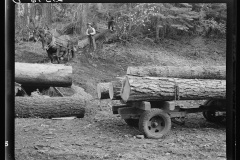 Original caption reads: "Members of Ola self-help sawmill co-op snaking a fir log down to the truck." Gem County, Idaho. 1939. Dorothea Lange Photograph. Library of Congress website: https://www.loc.gov/pictures/item/2004674003.
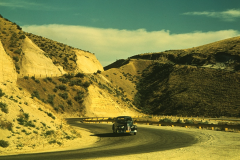 Original caption reads: "Road cut into the barren hills which lead into Emmett, Idaho." The old Freezeout Hill Road wound down into the Emmet Valley in a series of hairpin curves. Russell Lee photograph, July 1941. Library of Congress: http://hdl.loc.gov/loc.pnp/fsac.1a34210
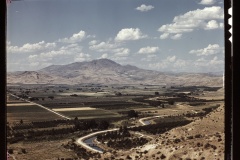 View of the Emmett Valley looking north from the old Freezeout HIll Road. Cherry orchards, an irrigation ditch, and farm lands are in the foreground. In the distance is Squaw Butte. Russell Lee photograph, July 1941. Library of Congress: http://hdl.loc.gov/loc.pnp/fsac.1a34219
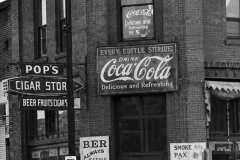 Pop's Cigar Store on Main Street, Emmett, Idaho. Pop's figured in the recruitment stories of both Louis H. Barclay and his future brother-in-law, James E. Kincaid.
 Fraternal twins Alice and Allison Barclay, circa 1905. Louis Barclay's father, Allison Barclay, was born in northern Kansas on December 27, 1891. Though Allison Barclay's full name was Henry Allison Barclay, he routinely went by Allison to distinguish himself from his father, Henry Barclay.
 The back of this image reads: "School Photo, Kalispell Montana, 1906. Miss Grace Brandenburg, teacher. Taken in an old saw mill boarding house used as a school until new school house." Dora Schum, Louis Barclay's mother, stands on the left. Dora's fraternal twin sister, Mary, and older sister, Lucy, are in the photograph as well. Dora was born in Nebraska in 1895 to a large Catholic family that spoke German at home.
 Allison Barclay near Eureka, Montana in 1912. One of his many jobs was delivering mail, and in the winter he used his horse-drawn sleigh to make his rounds.
 Three women attending a wedding celebration have appropriated men's jackets and hats to pose for a lighthearted photograph. The reverse of this photograph reads: "Mary and Ed just married." The woman on the right is Dora Schum Barclay, Louis Barclay's mother. The women on the left is Dora's fraternal twin sister, Mary. The woman in the middle is the groom's sister, Ida Munson. The two men are unidentified, but one of them is probably the groom, Ed Munson. Taken circa 1915 in Kalispell, Montana.
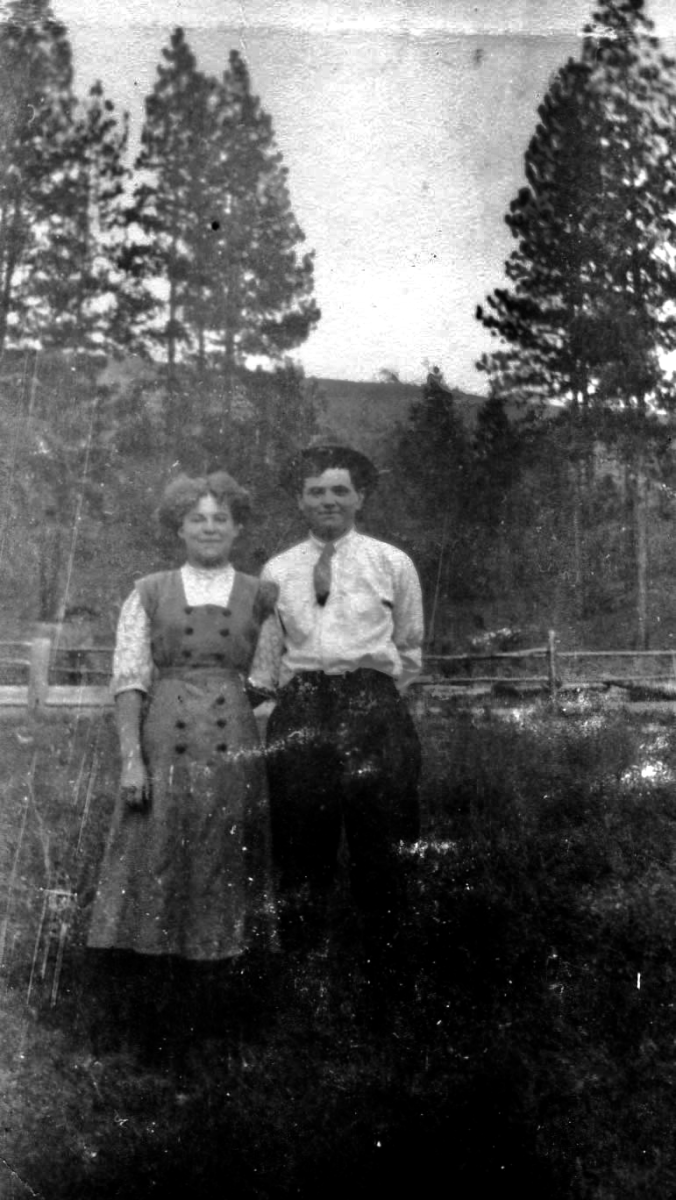 Louis Barclay's parents, Dora and Allison Barclay, on the Barclay family homestead near Eureka, Montana. This photograph was taken circa 1915.
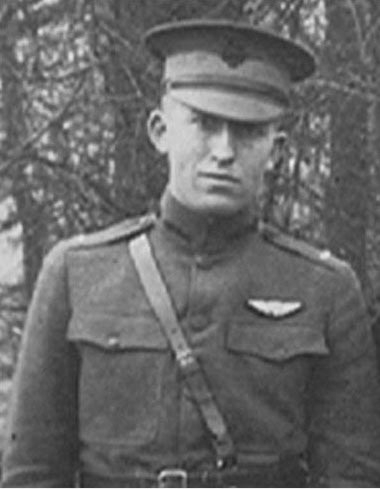 This photograph of Lieutenant Merle Howe of the 158th Pursuit Squadron was taken in Ireland some time after Howe and the rest of his squadron were rescued from their troopship, the Tuscania, following its torpedoing by a U-boat in February 1918. During the Second World War Colonel Merle Howe would command the 128th Infantry Regiment in which Louis Barclay served in the Philippines.
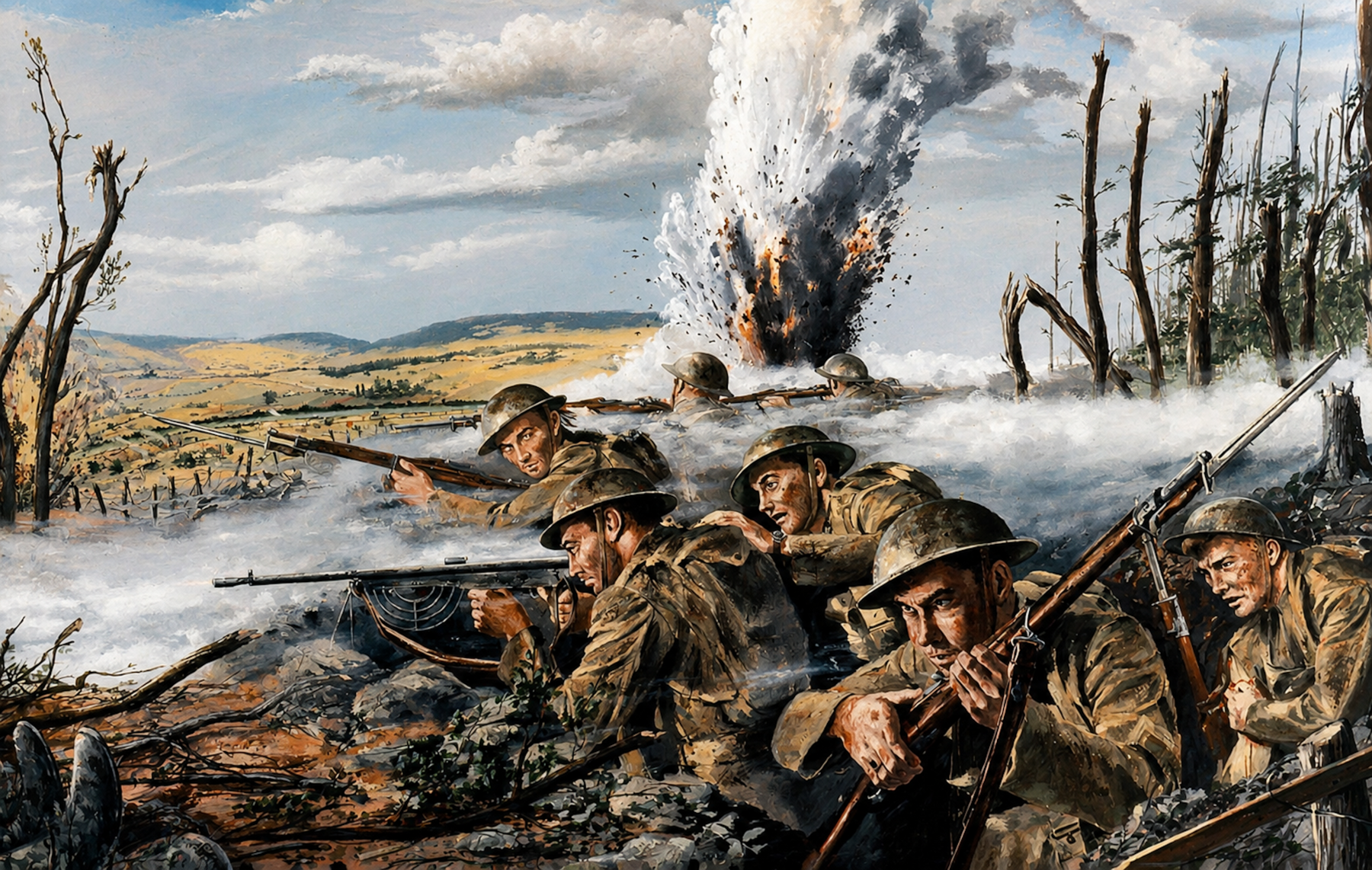 In July 1918, the 38th Infantry Regiment defended the Marne River crossings against a massive German onslaught. When units on the division's flanks fell back, the French commander asked if the 3rd Division also needed to retreat. The 3rd Division’s commander, Joseph Dickman, retorted, “"Nous Resterons La" (We shall remain here). The motto of the 3rd Infantry Divisions remains to this day, "Rock of the Marne."
Barclay's first unit on joining the Army was the 38th Infantry Regiment, and at that time there were still a few men in the regiment who had been with it since the First World War. The soldier in the center of the image is depicted firing the problematic French Chauchat machine gun. Credit: Mal Thompson, US Department of the Army poster No. 21-42, 1952.
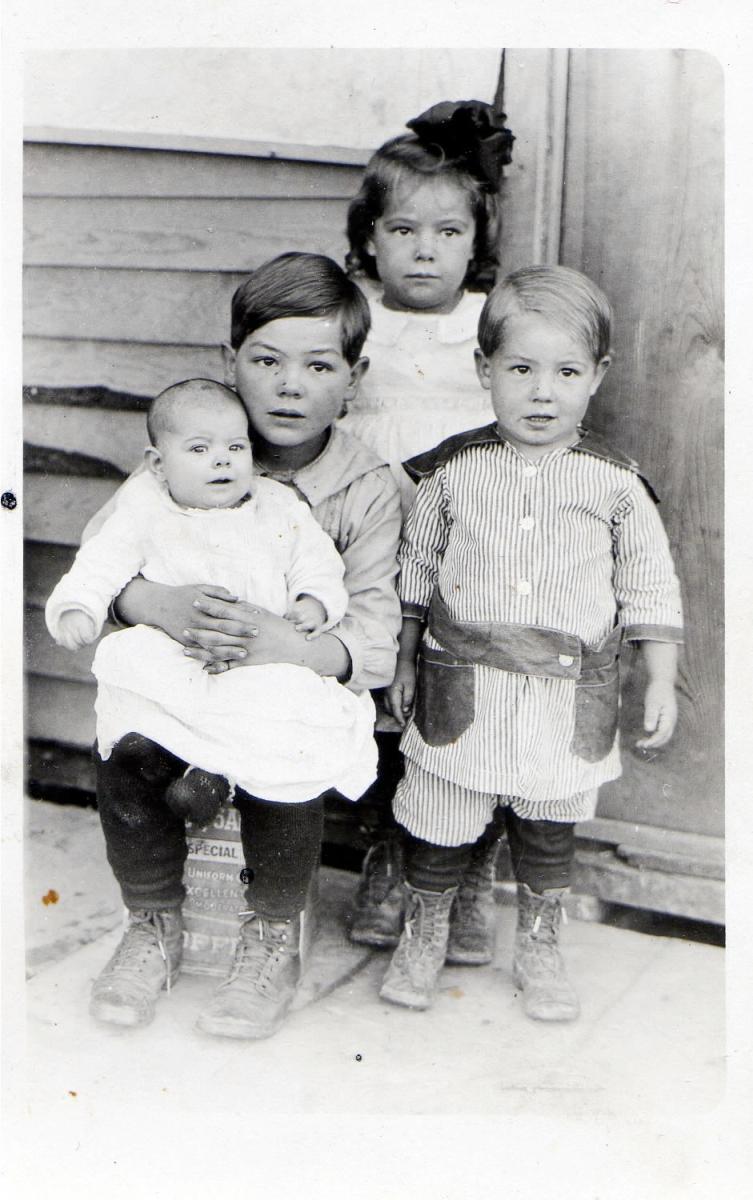 Barclay Family Children in 1921. Baby Eva Barclay (born August 4, 1920) sits in the lap of Elwood Barclay (born December 1913). Lena Barclay (born February 1915) stands behind them. Louis Henry Barclay (born August 4, 1918) stands to the right in a striped outfit. This photo was taken in Emmett, Idaho, the town to which the family moved from Montana and where Eva was born.
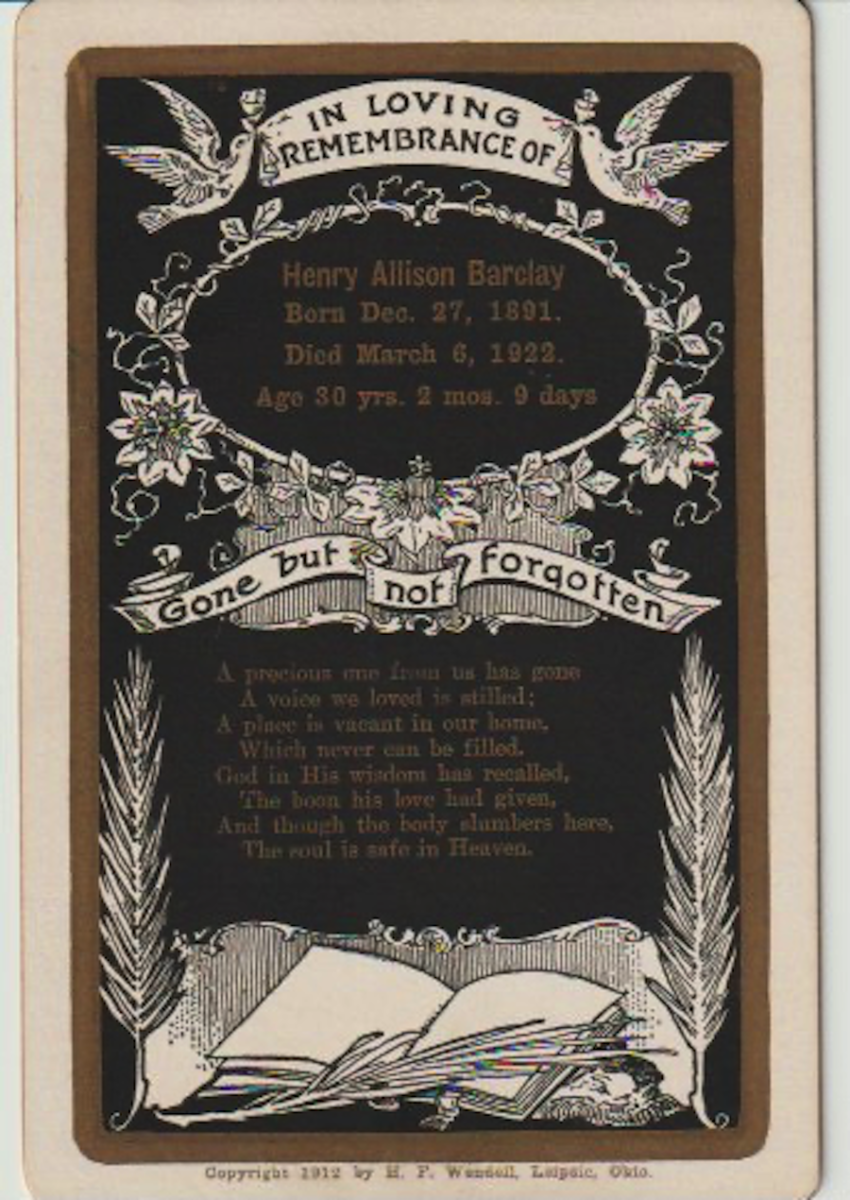 Allison Barclay died from diabetes on March 6, 1922, age 30.
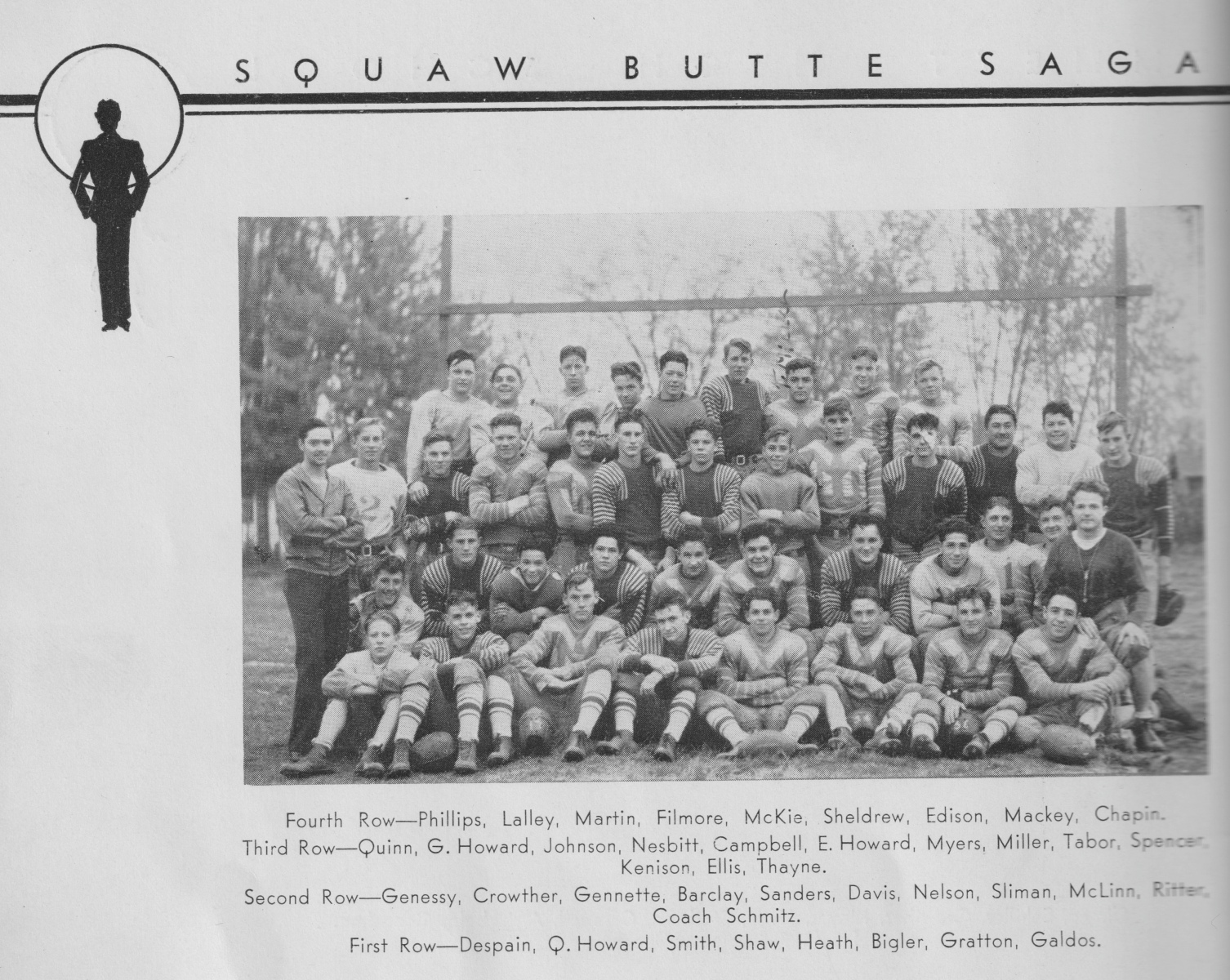 The Emmett High School Football team in the fall of 1935. Louis Barclay (second row, fourth player from the left) played center for the Emmett Huskies. The team's record that year was a less-than-impressive 1 win, 5 losses, and 1 tie. Barclay was only able to remain in school by using the money he earned picking fruit in the summer to buy his school clothes, including his football cleats. Photograph: "Squaw Butte Saga" school yearbook, 1936.
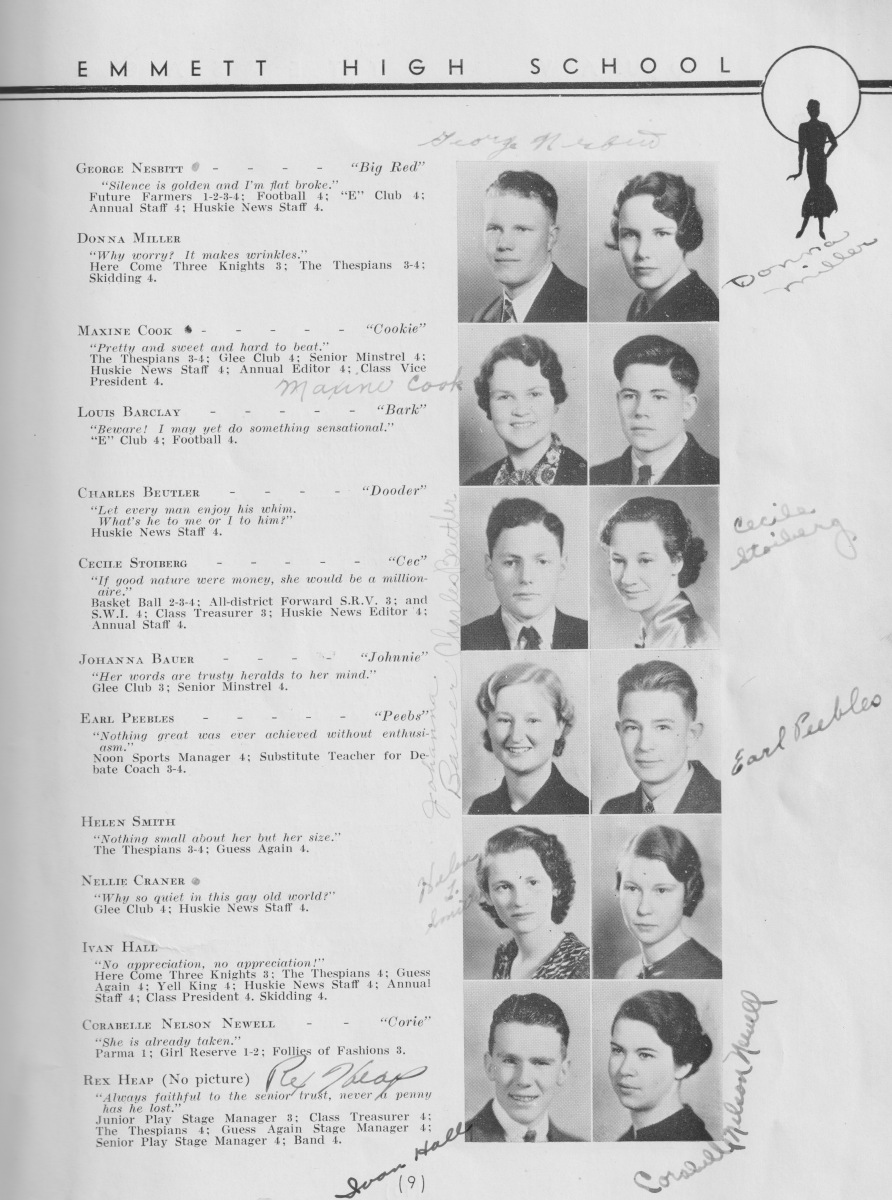 Louis Barclay, Emmett High School class of 1936. He is in the second row from the top, on the right. His caption reads:
"Louis Barclay _ _ _ _ _ _ _ _'Bark'
'Beware! I may yet do something sensational.'
'E' Club 4; Football 4."
When Barclay enlisted in the US Army 1938, soldiers who had graduated from high school were more the exception than the rule. Photograph: "Squaw Butte Saga" school yearbook, 1936.
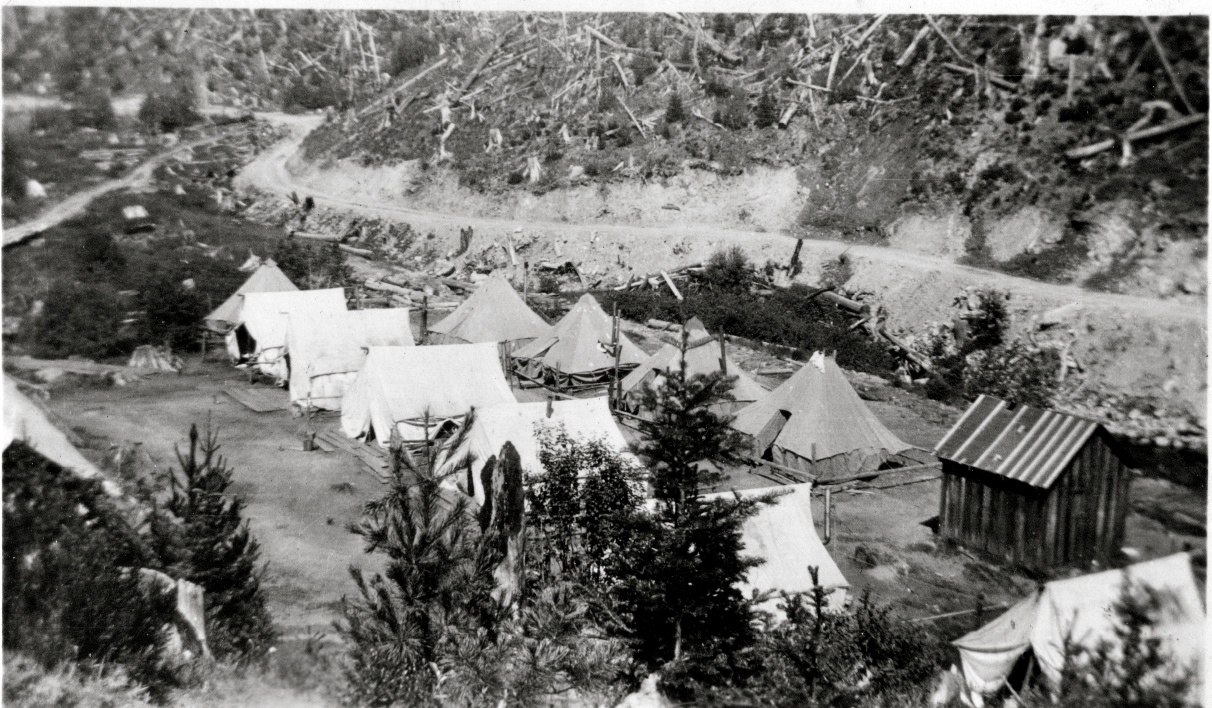 Blister Rust Camp, Northern Idaho. Blister rust is a non-native fungus that can migrate from gooseberry bushes to attack valuable stands of white pine. During the depression, the US Federal Government hired young men to root up and destroy gooseberry bushes. Louis Barclay and his older brother, Elwood, both worked on a blister rust crew in the summer of 1936.
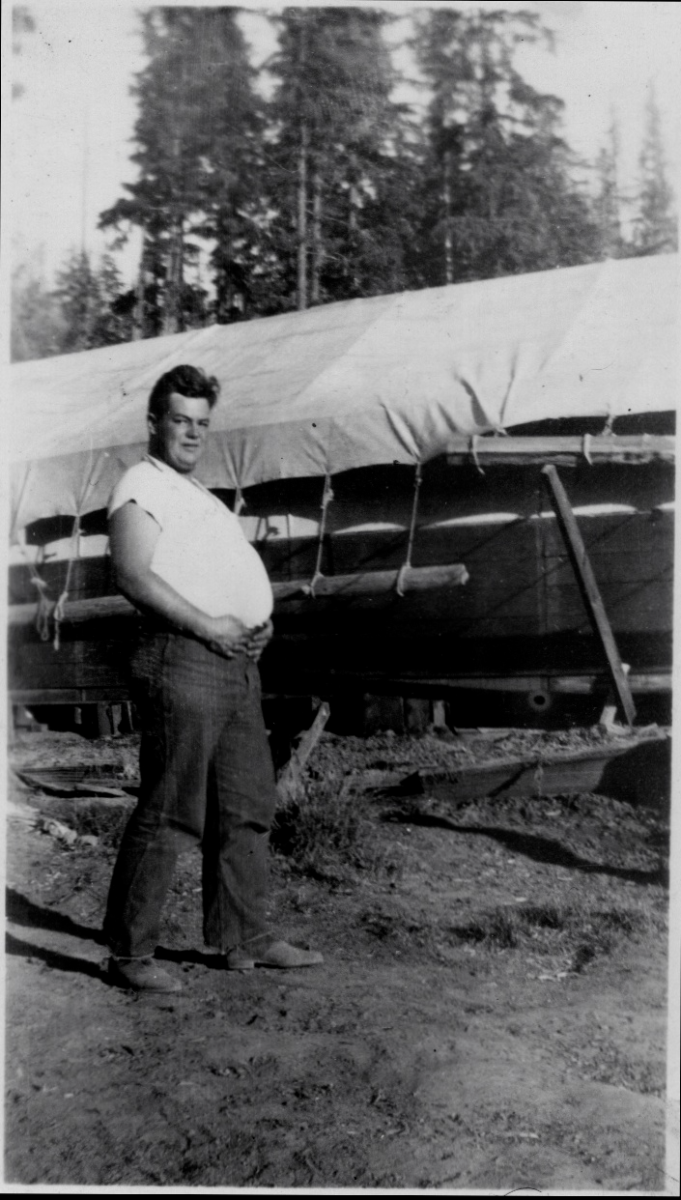 Louis Barclay's older brother, Elwood, showing off his sizable paunch at the blister rust camp in the summer of 1936.
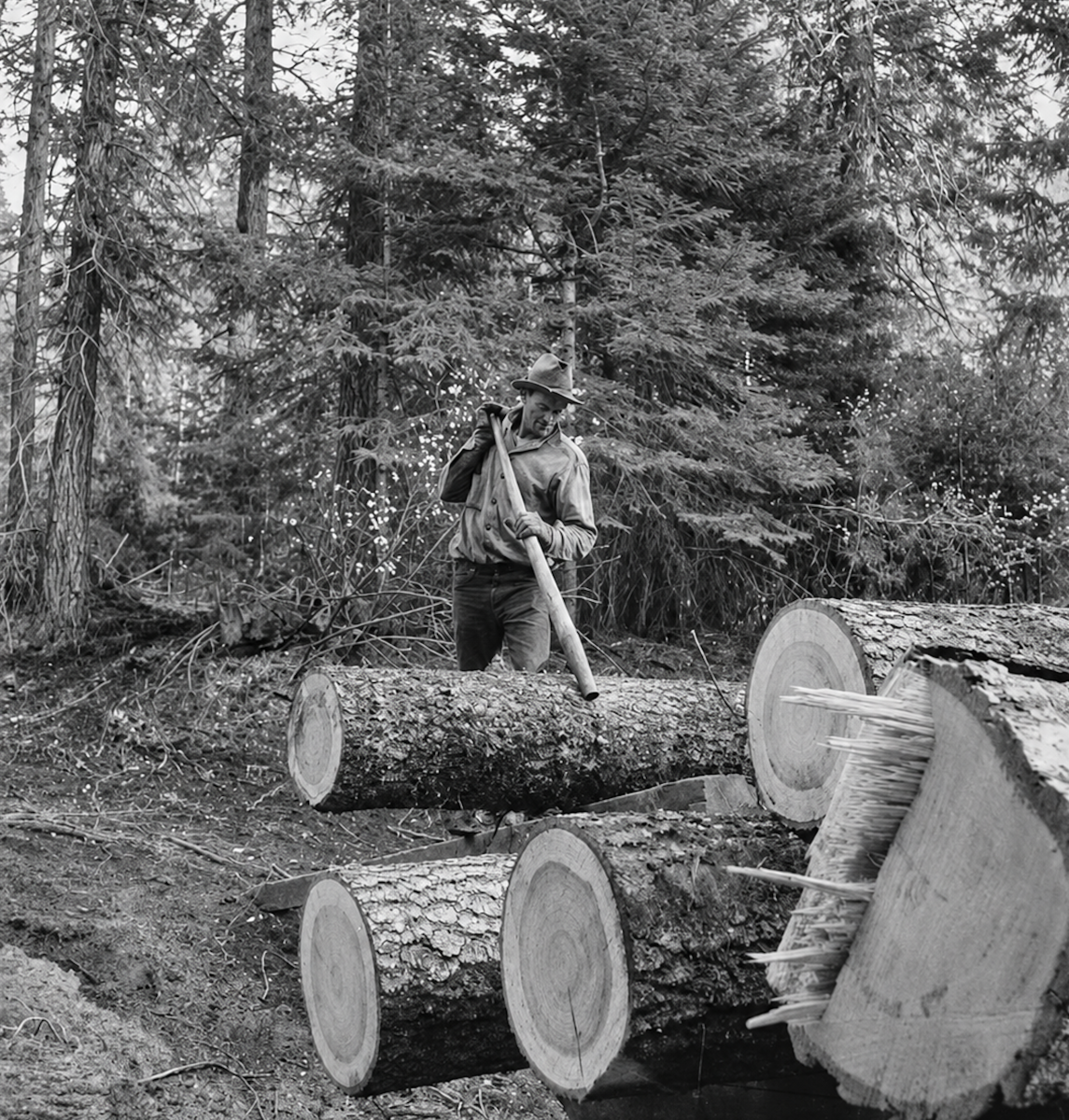 In the fall of 1939, under the auspices of the United States Farm Security Administration, photographer Dorothea Lange documented the Ola Cooperative Sawmill. In this photograph a worker uses a peavey to position a log. The Ola Cooperative Sawmill was located about 30 miles from where Louis Barclay had worked as a logger during the summer of 1937, and the tools and techniques depicted in Lange's photographs would have been identical to those used by Barclay. The complete collection of Lange's Ola Cooperative Sawmill photographs can be viewed on the Library of Congress website: https://www.loc.gov/pictures/item/2004674003.
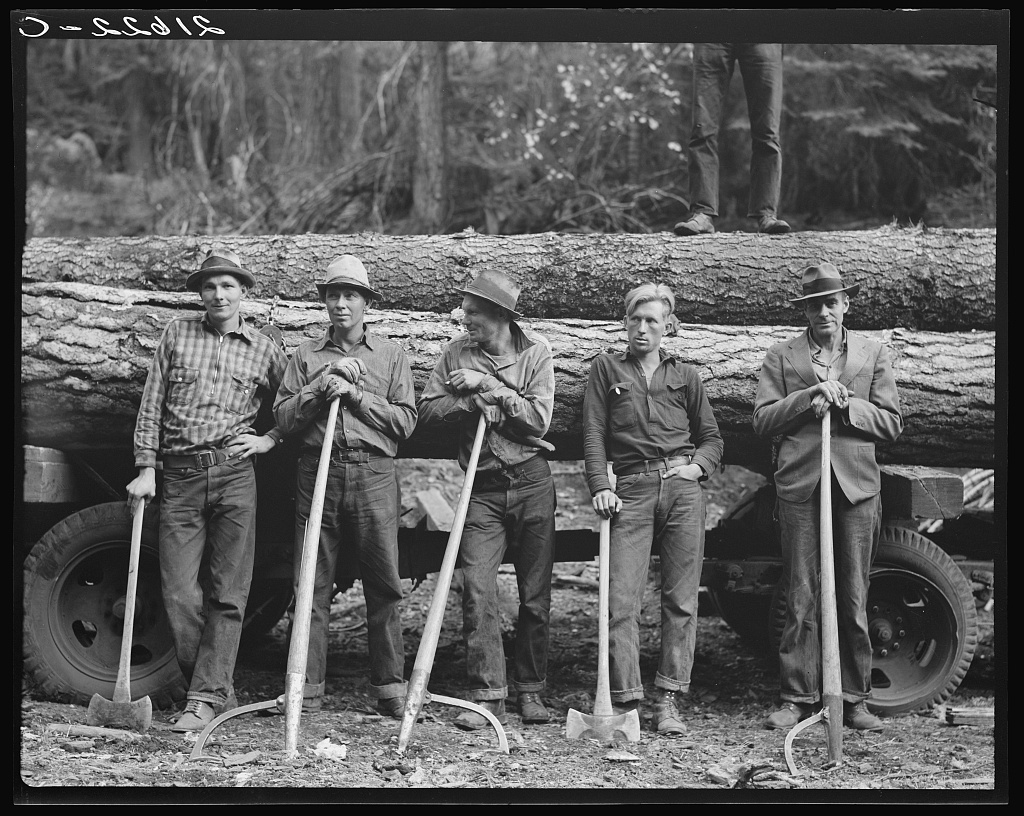 Original caption reads: "Five Idaho farmers, members of Ola self-help sawmill co-op, in the woods standing against a load of logs ready to go down to their mill about three miles away." Gem County, Idaho. 1939. Dorothea Lange photograph. Library of Congress website: https://www.loc.gov/pictures/item/2004674003.
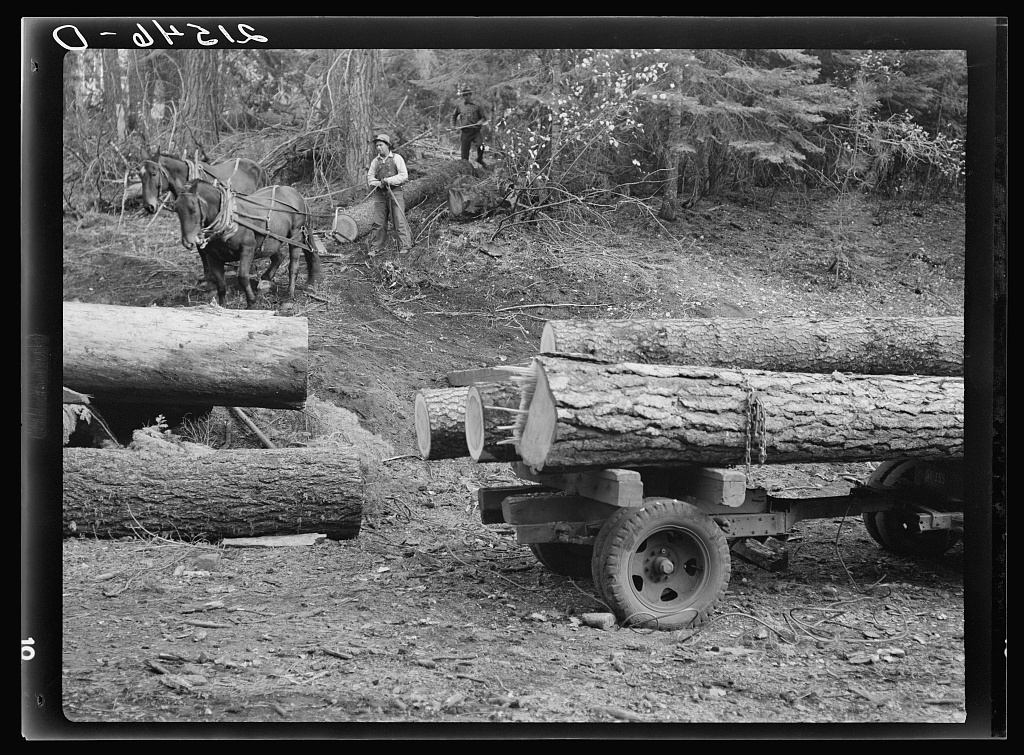 Original caption reads: "Members of Ola self-help sawmill co-op snaking a fir log down to the truck." Gem County, Idaho. 1939. Dorothea Lange Photograph. Library of Congress website: https://www.loc.gov/pictures/item/2004674003.
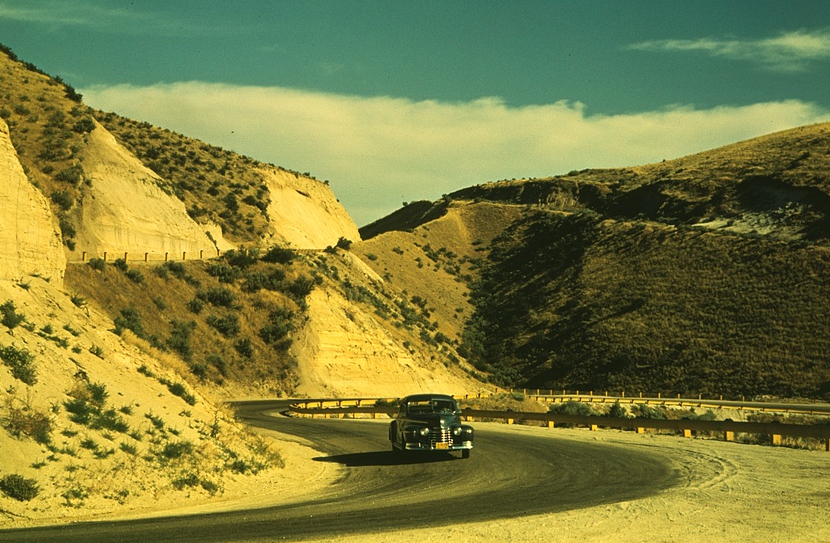 Original caption reads: "Road cut into the barren hills which lead into Emmett, Idaho." The old Freezeout Hill Road wound down into the Emmet Valley in a series of hairpin curves. Russell Lee photograph, July 1941. Library of Congress: http://hdl.loc.gov/loc.pnp/fsac.1a34210
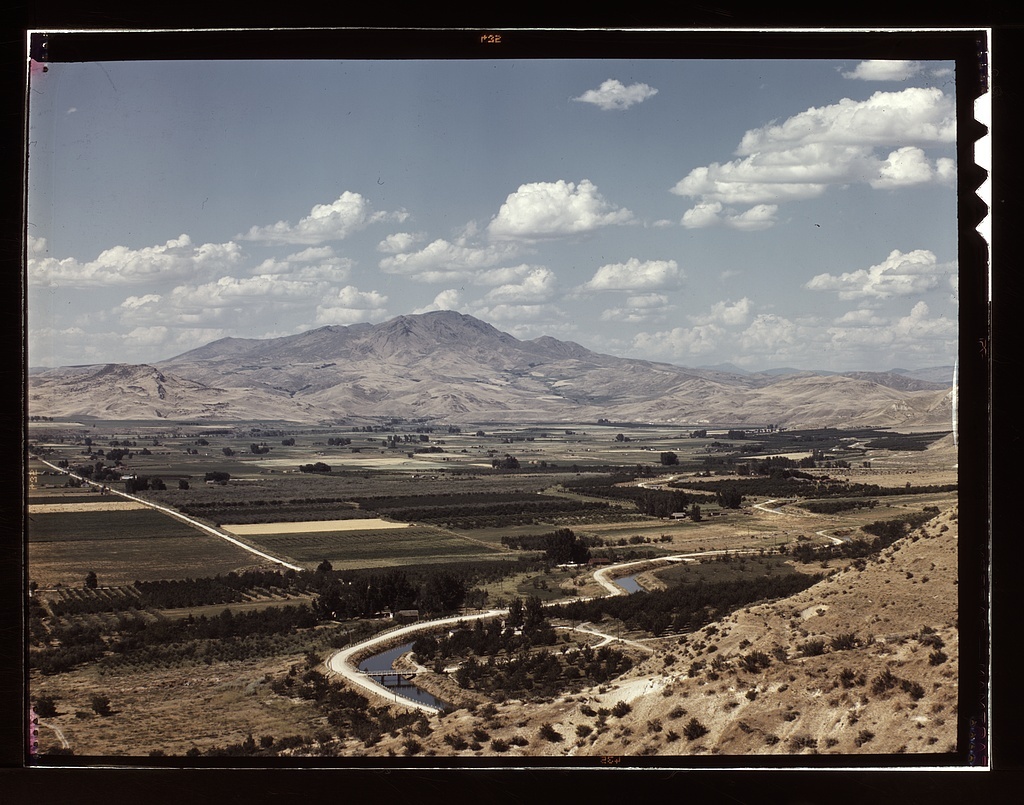 View of the Emmett Valley looking north from the old Freezeout HIll Road. Cherry orchards, an irrigation ditch, and farm lands are in the foreground. In the distance is Squaw Butte. Russell Lee photograph, July 1941. Library of Congress: http://hdl.loc.gov/loc.pnp/fsac.1a34219
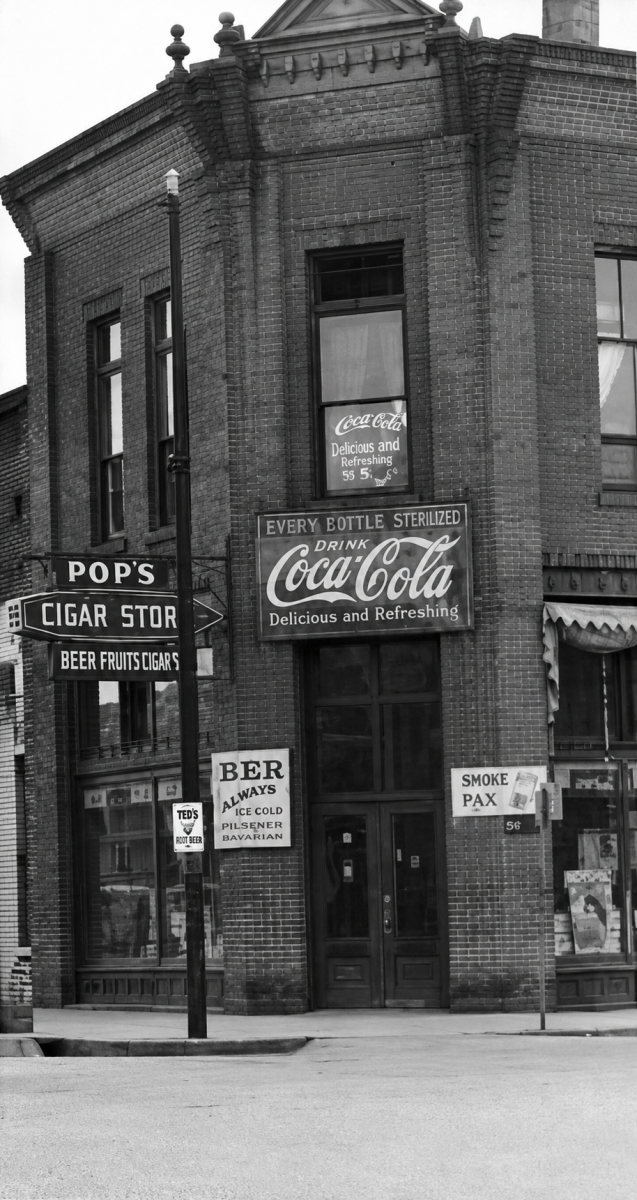 Pop's Cigar Store on Main Street, Emmett, Idaho. Pop's figured in the recruitment stories of both Louis H. Barclay and his future brother-in-law, James E. Kincaid.