Service in Panama: January 1940-July 1943
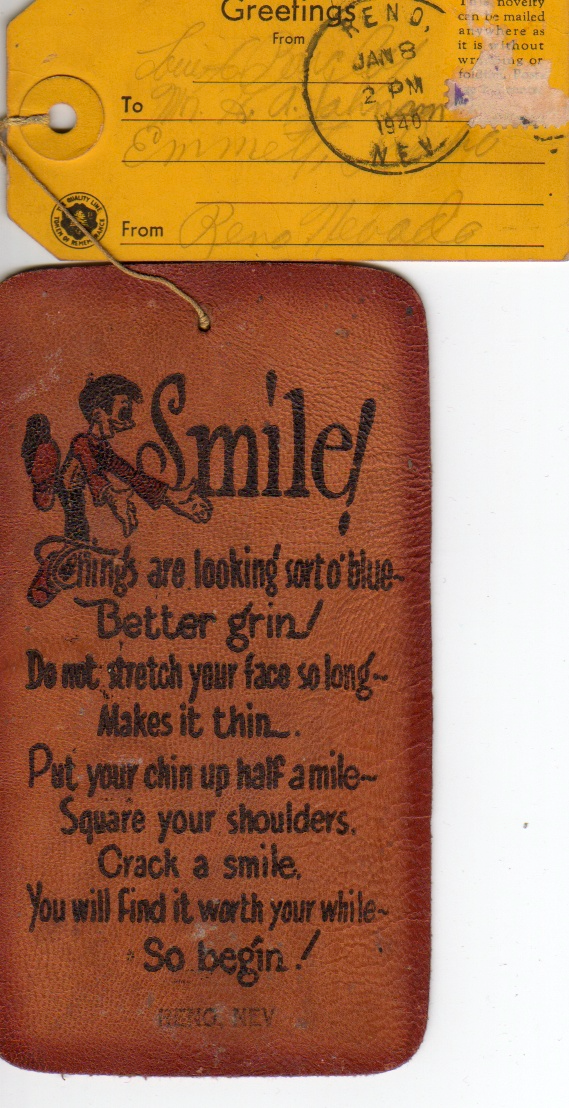 Louis Barclay sent this souvenir, postmarked Reno, Nevada, January 9, 1940, to his mother in Emmett, Idaho. He passed through Reno on his journey from Fort Douglas, Utah to his new post in the Panama Canal Zone.
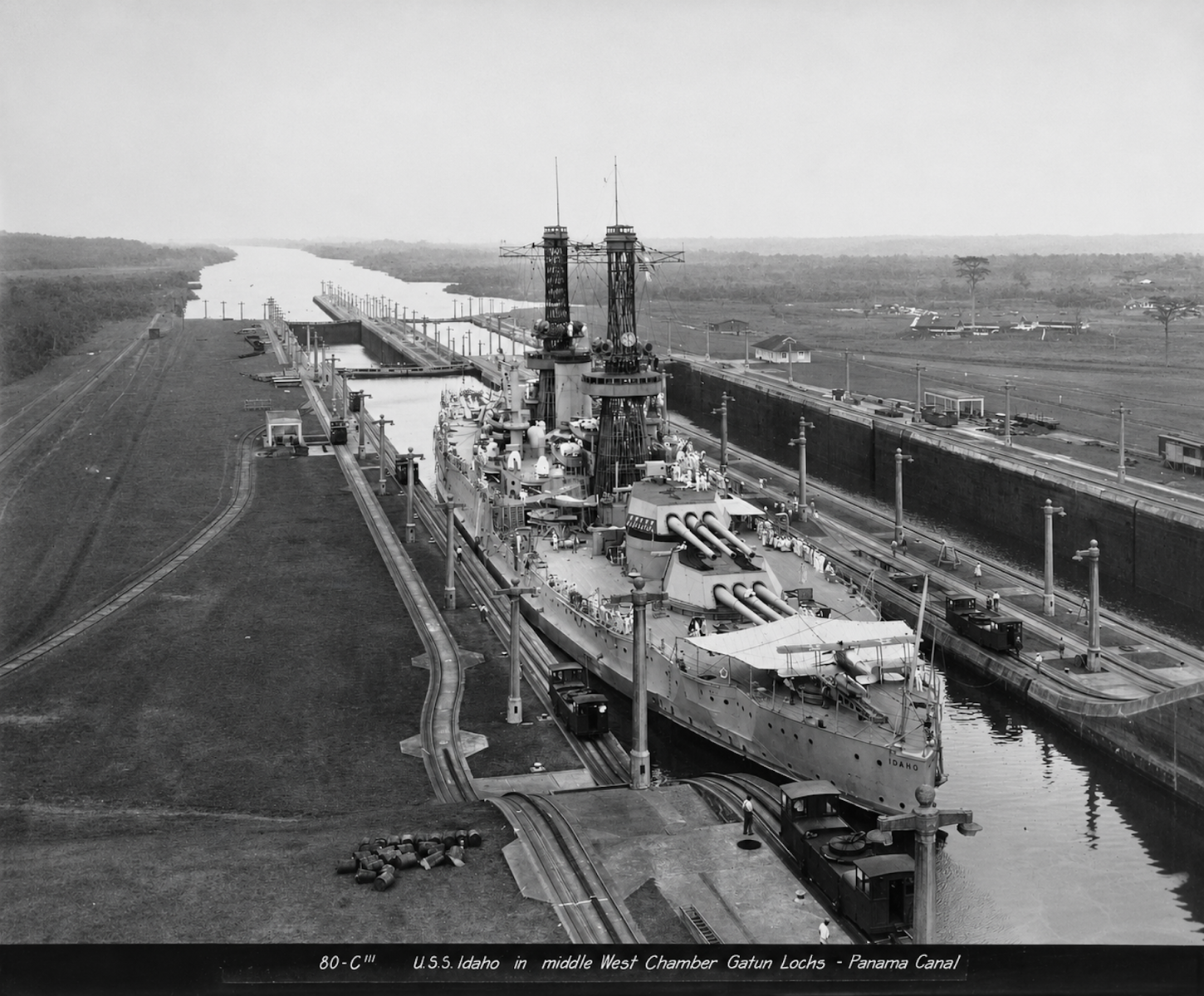 The U.S.S. Idaho in the Gatun Locks of the Panama Canal. Barclay's opportunity to serve in Panama was part of an initially slow buildup of U.S. military forces intended to protect the canal in an increasingly dangerous world.
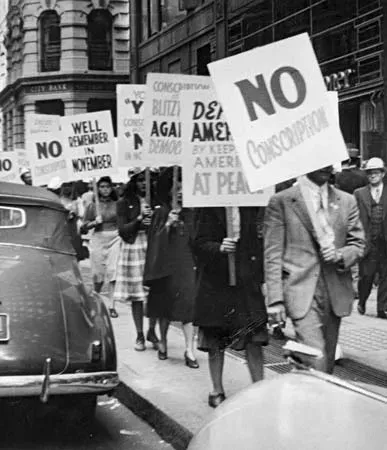 The tiny interwar U.S. Army did not begin to grow in earnest until the institution of the draft and the federalization of National Guard units in October 1940. This 1941 photograph of draft protestors in New York City shows that the draft was a contentious political issue.
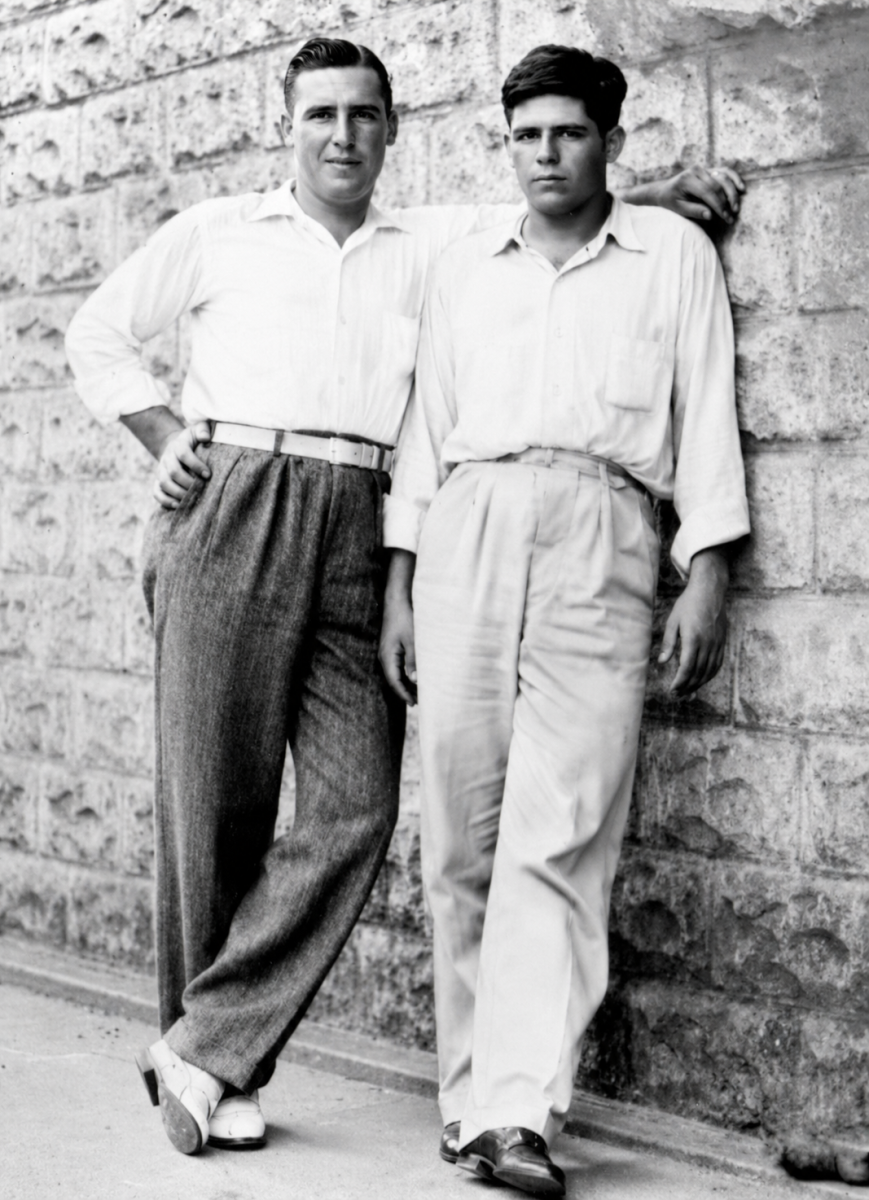 Louis Barclay (right) and his fellow soldier, James A. Cobb wearing civilan clothes and possibly out for a night on the town.
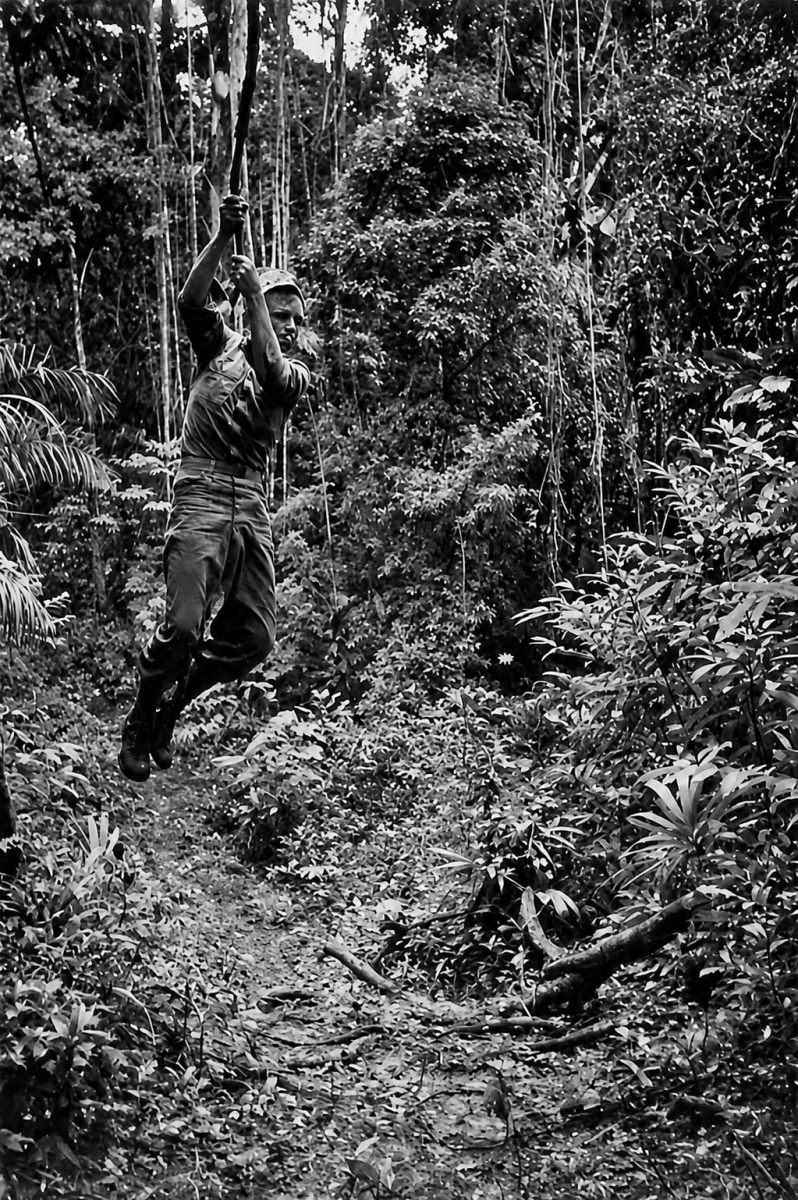 An unidentifed soldier plays Tarzan in the Panamanian jungle.
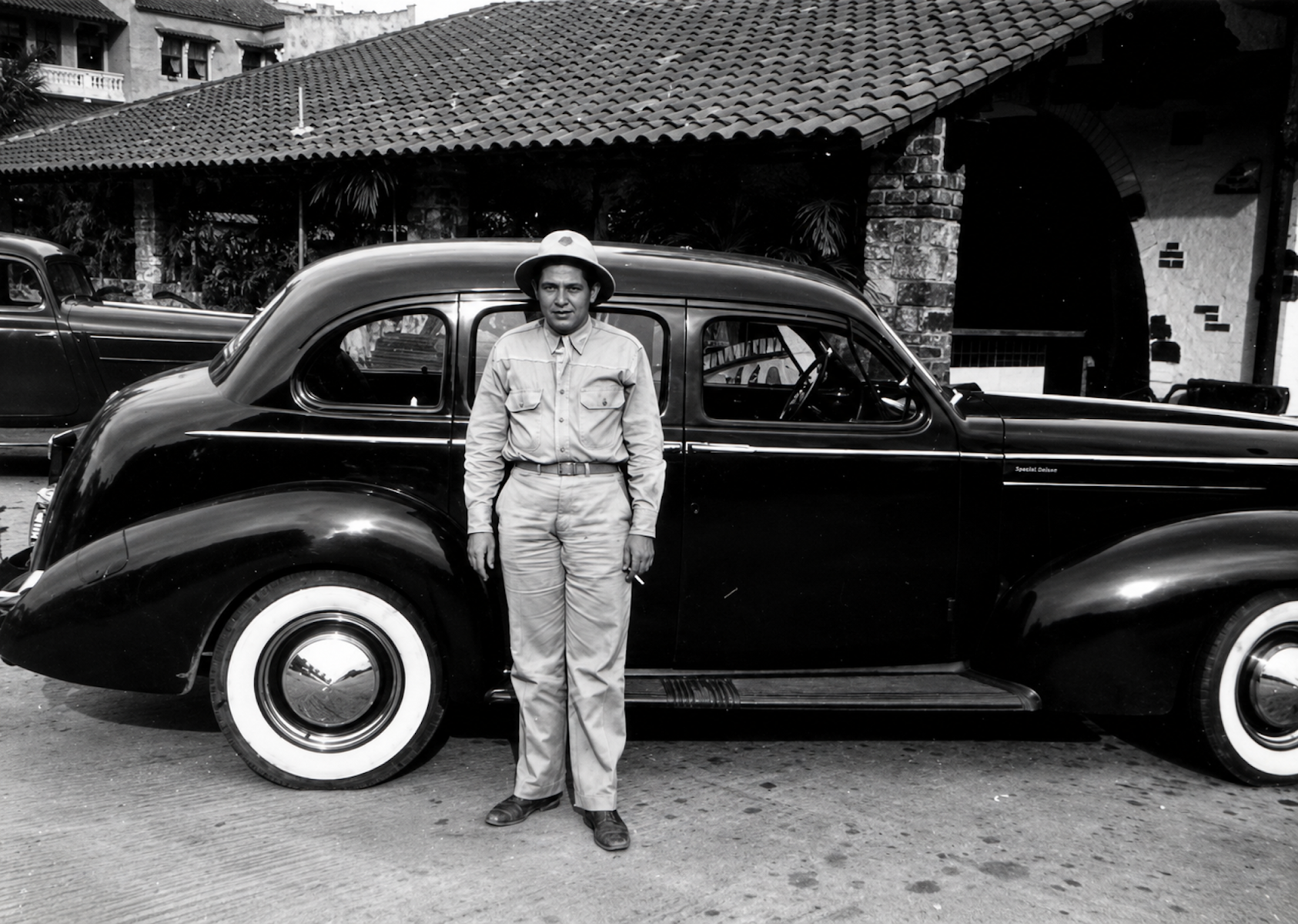 Louis Barclay wearing a sun helmet, a cheaper replacement for the earlier "lemon squeezer" campaign hat. The vehicle behind Barclay is not his. He would not own a car until after the Second World War.
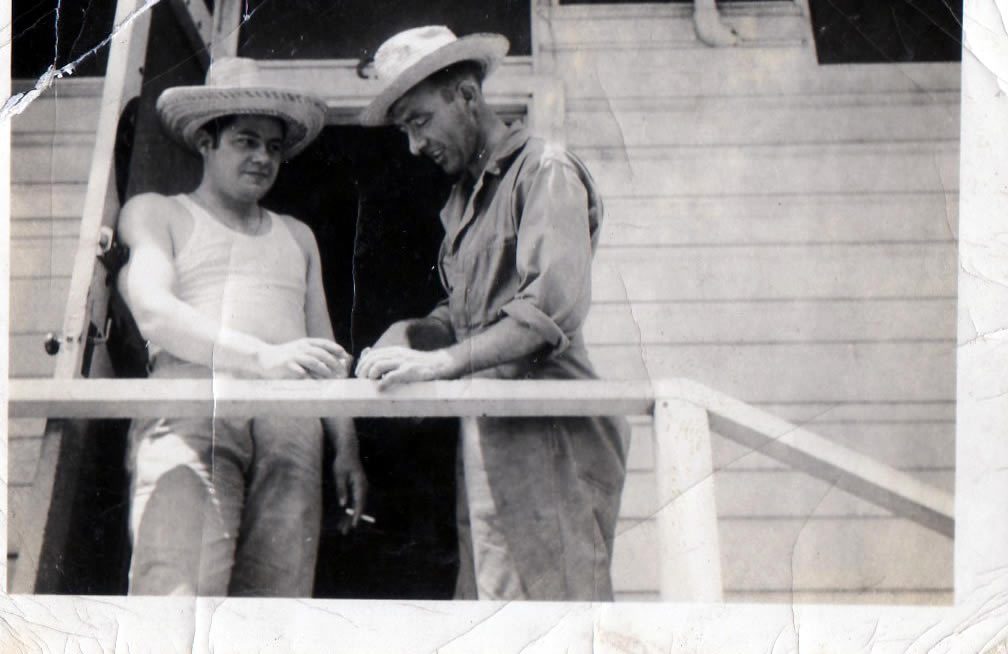 Louis Barclay very much out of uniform and doing God knows what.
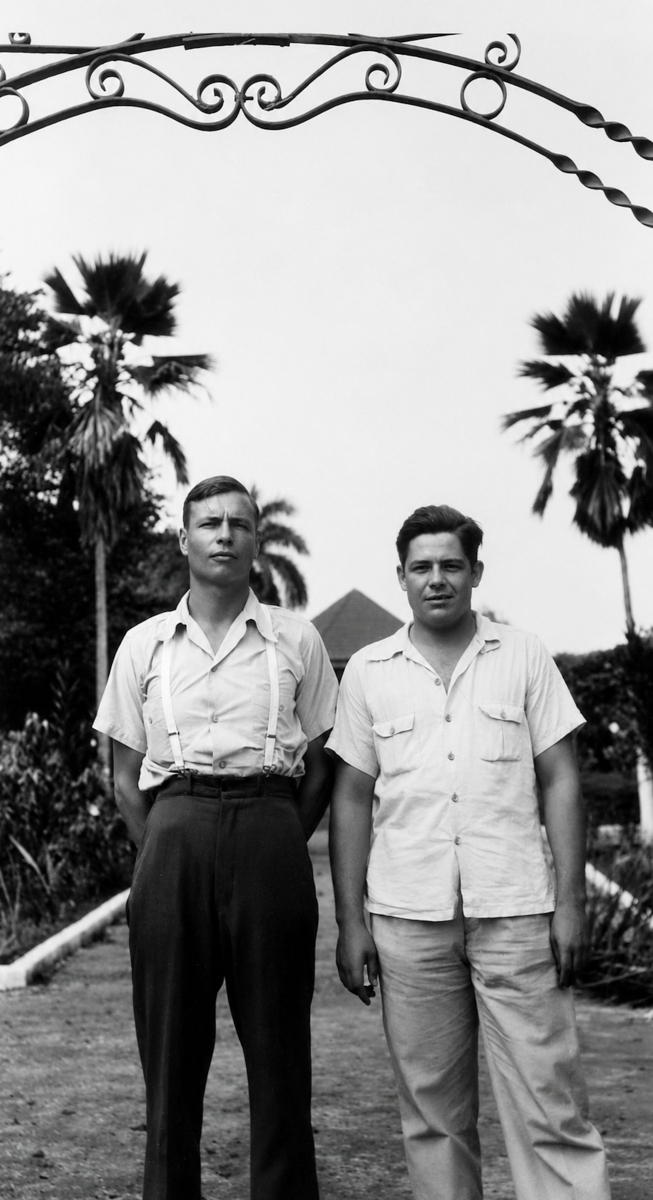 Sherzol E. Heater (left) and Louis Barclay on a visit to to the remote town of David, Panama over the weekend of December 6-7, 1941. Barclay had been promoted to the rank of sergeant only a few days before this excursion. The two soldiers returned to the Canal Zone on the evening of Sunday, December 7th only to learn that the U.S. was suddenly at war.
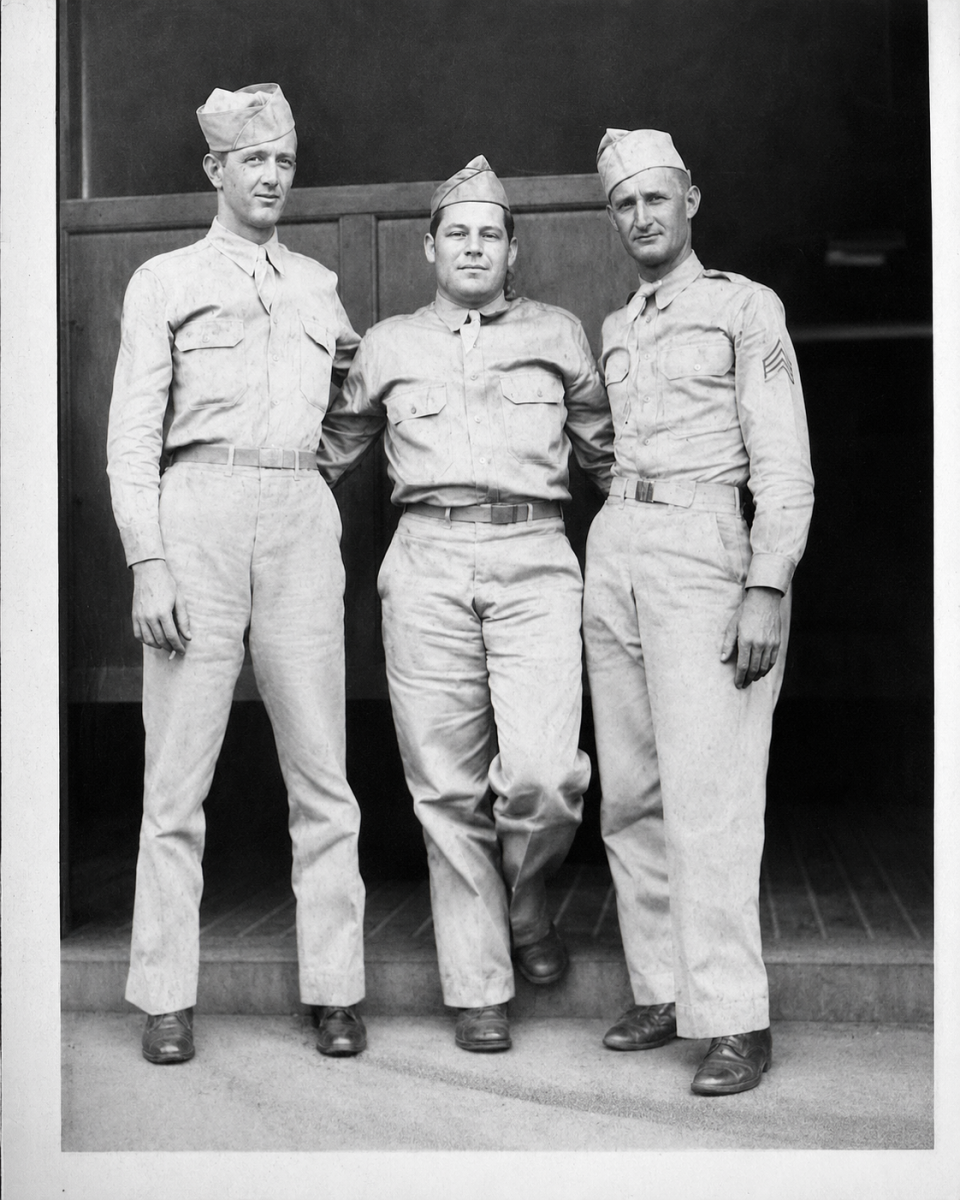 Louis H. Barclay, center, with fellow soldiers Lonnie D. Blalock (left) and Jeffrey D. Kelly (right). This photograph was most likely taken after the start of the war, as the bulky and impractical sun helmet has given way to the more utilitarian overseas cap.
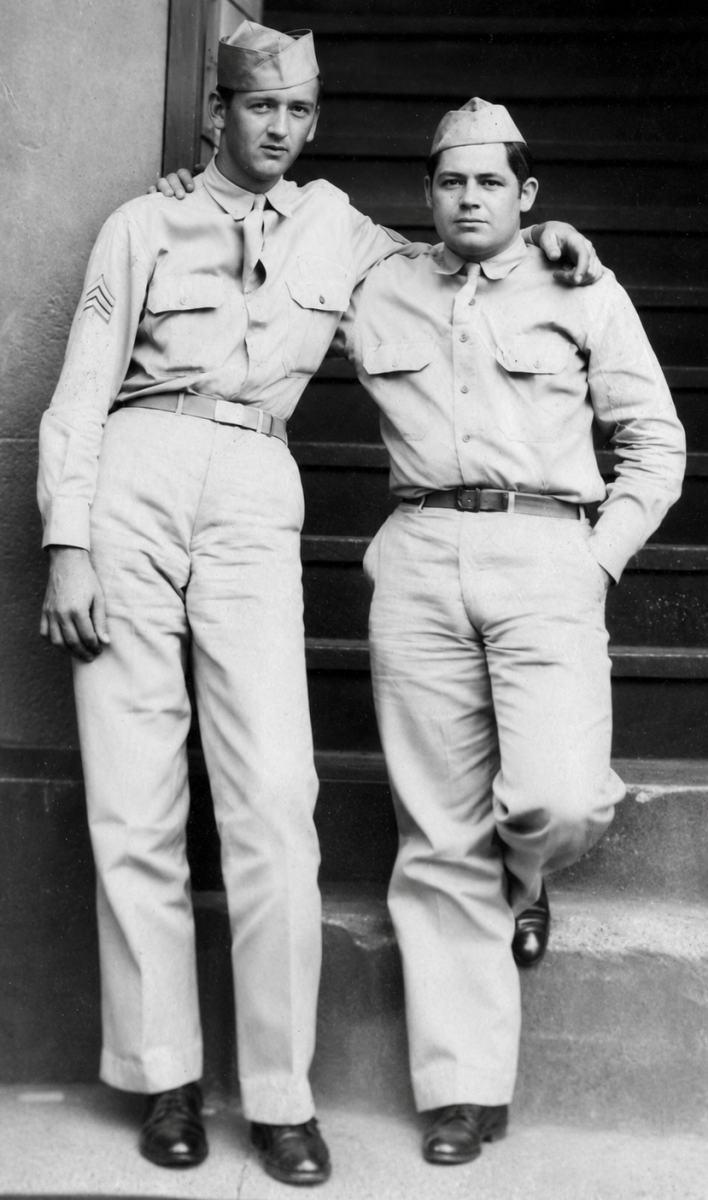 Louis H. Barclay, left, with his much taller friend, Lonnie D. Blalock.
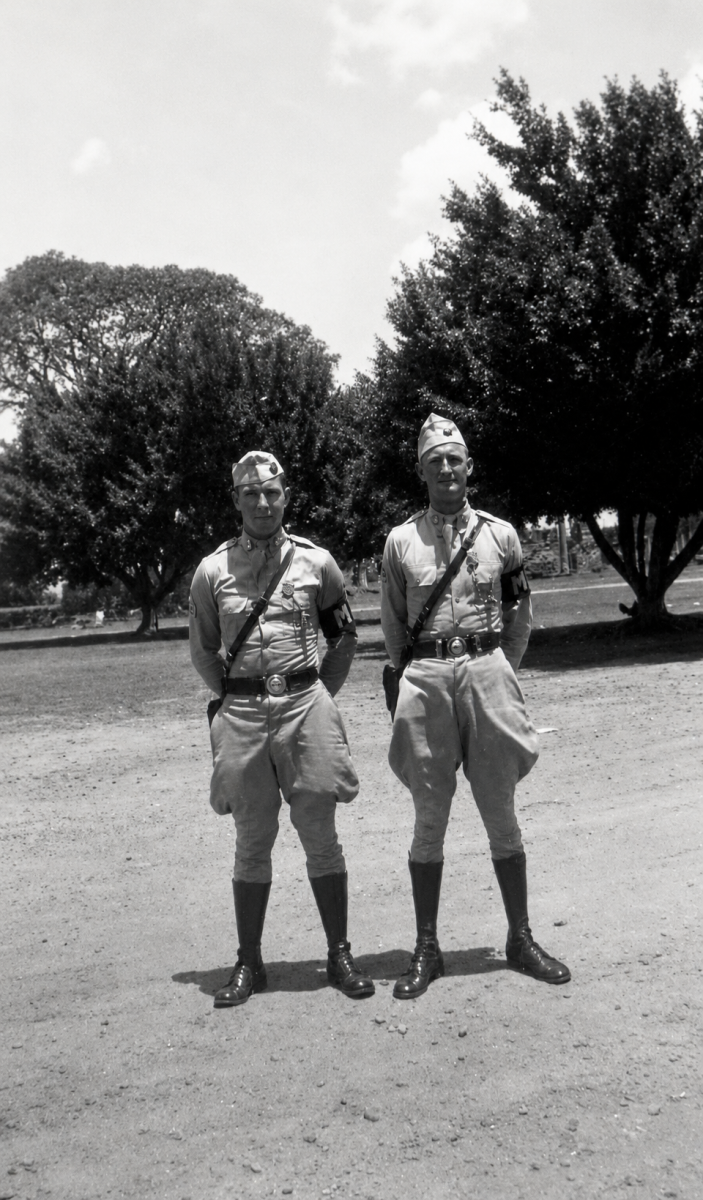 Military policemen Emile D. Vezina and Lonnie D. Blalock. Barclay was never an M.P., but Blalock was one of his closest friends in Panama.
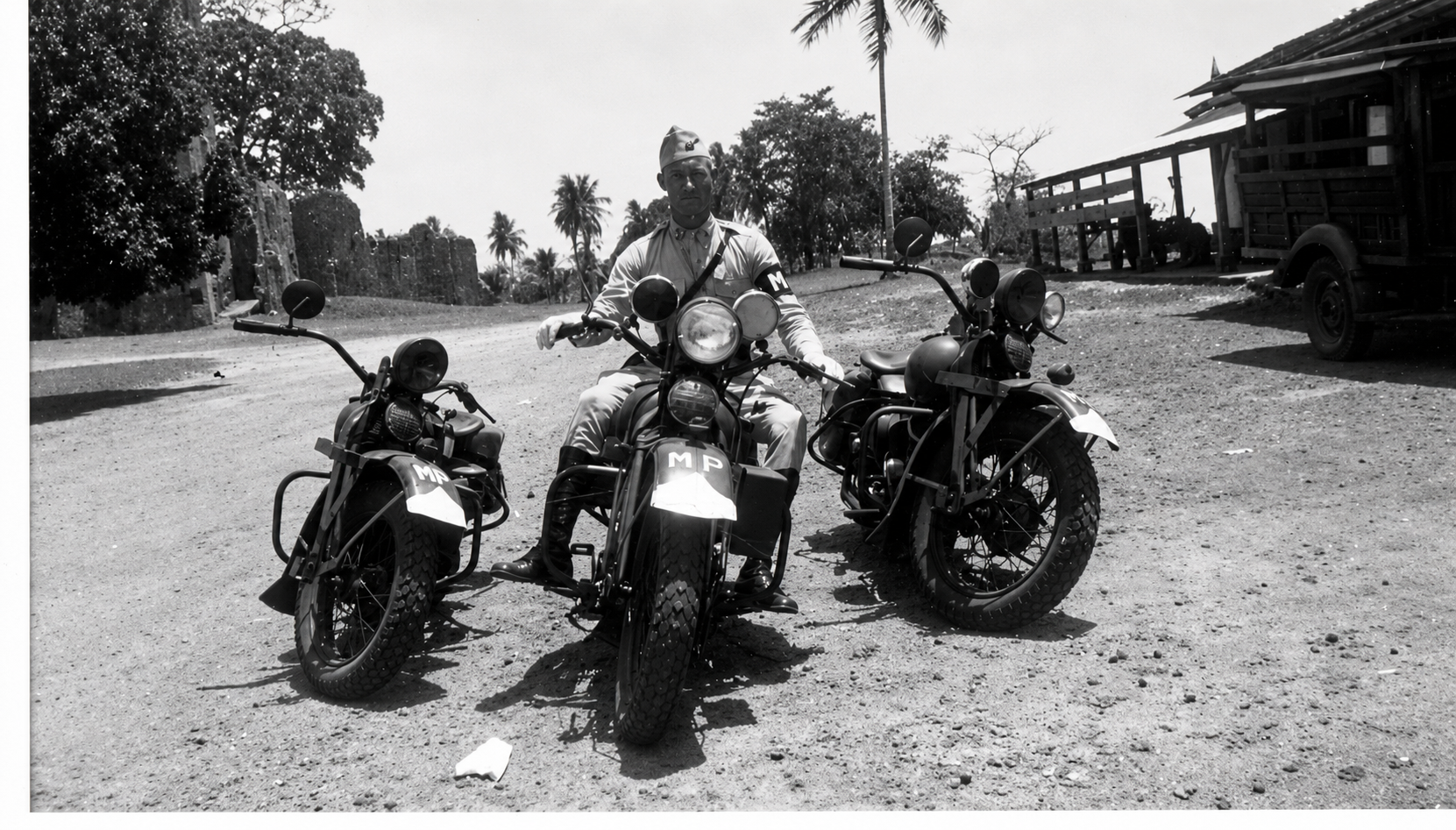 M.P. Lonnie D. Blalock on his Army motorcycle. Barclay recalled that, "Blalock was everywhere on that motorbike of his."
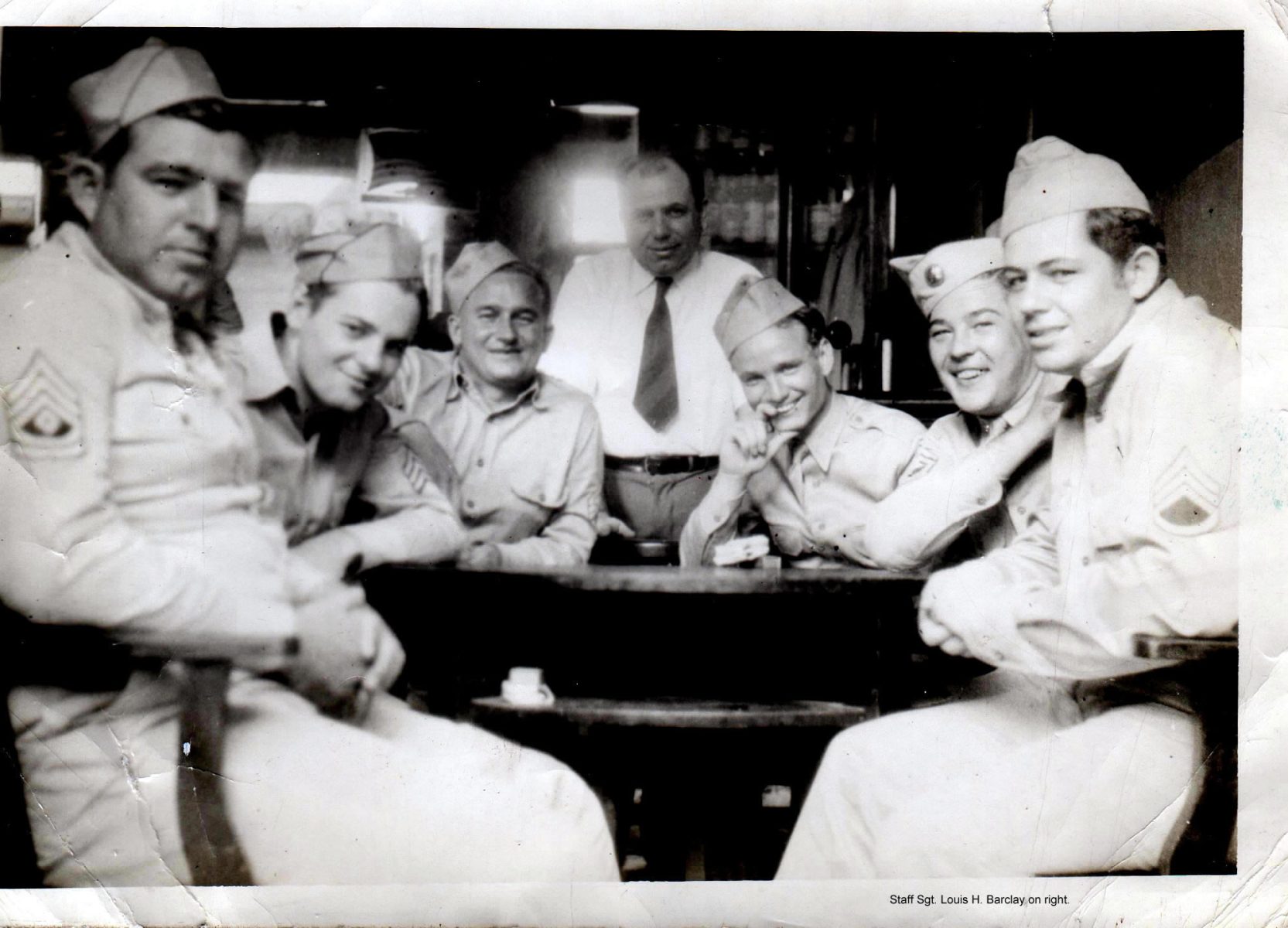 Barclay drinking with unidentified fellow soldiers. Barclay, seated on the right, wears staff sergeant chevrons in this photo. He was promoted to that rank on July 11, 1942, so the photo had to have been taken after that date.
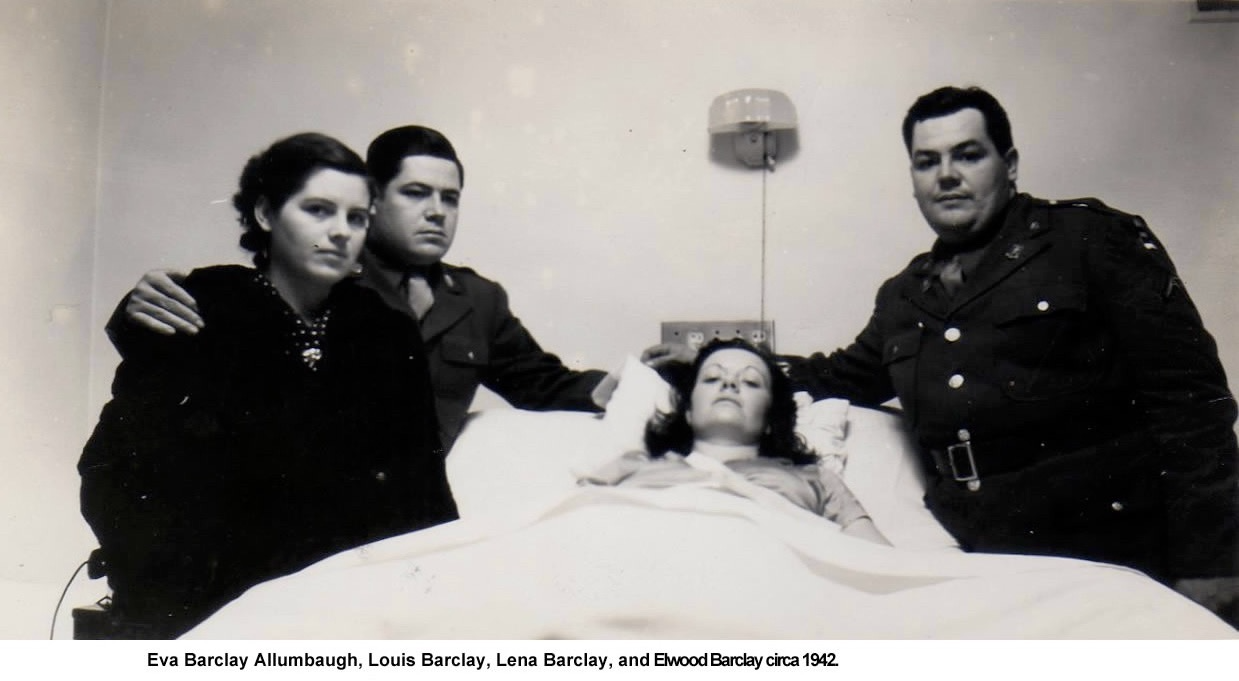 L to R: Eva Barclay Allumbaugh, Louis Barclay, Lena Barclay, Elwood Barclay, St. Alphonsus Hospital, Boise, Idaho. On January 13, 1943, Barclay was granted compassionate leave to fly from Panama to San Antonio and from there to travel to Idaho where he could see his dying sister, Lena. As it turned out, Lena held on for a bit longer, passing away in 2009 at the age of 92. Barclay would return to Panama via ship, arriving there on March 7 1943.
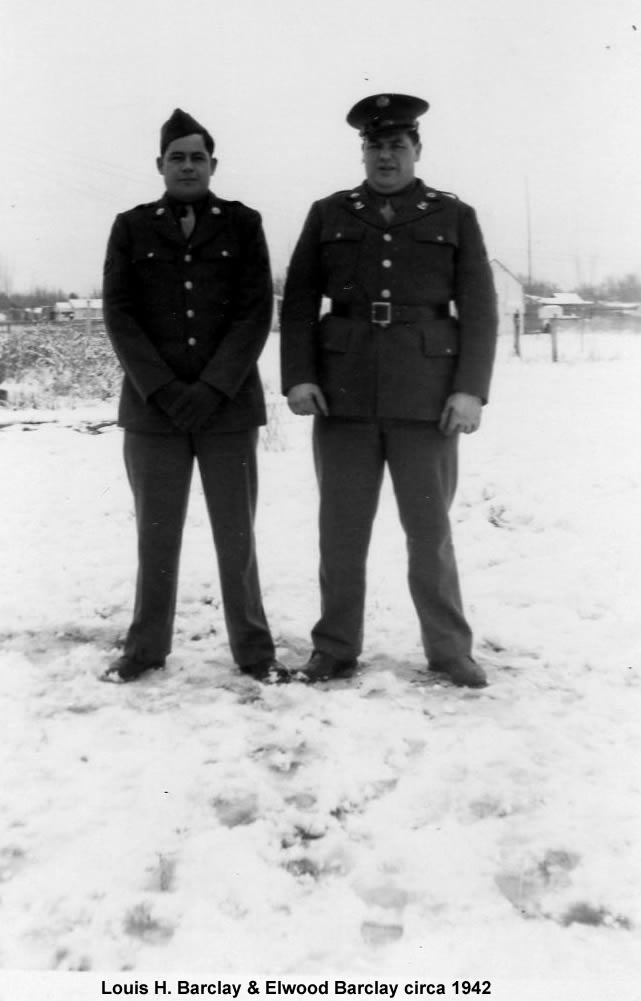 Louis and Elwood Barclay in Emmett, Idaho somtime in January or February 1943. Prior to this visit, Barclay had not set foot in the United States since January 1940.
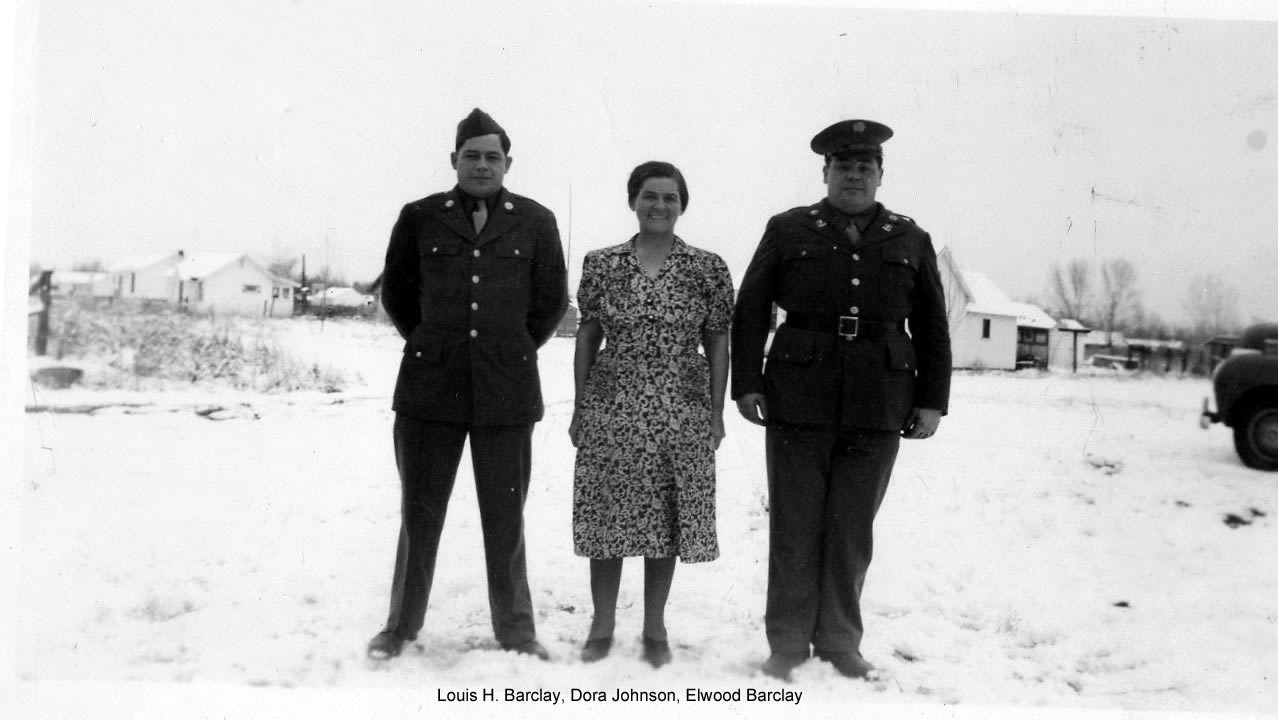 Dora Johnson, center, with her sons Louis and Elwood Barclay in Emmett, Idaho. Photo January or February 1943. At the time, Elwood was serving in a military police escort guard company in Michigan. He would be honorably discharged from the Army in August 1943 and then work as a merchant seaman until the end of the war.
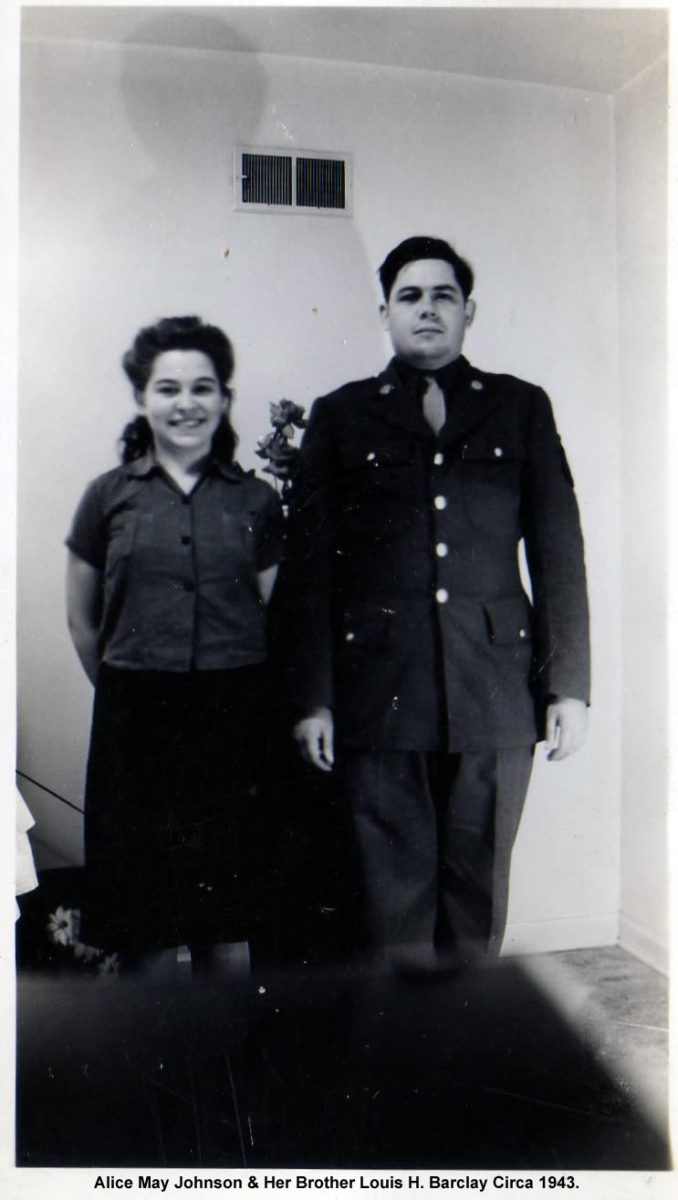 Alice Mae Johnson with her half-brother Louis Barclay in Emmett, Idaho. Photo January or February 1943.
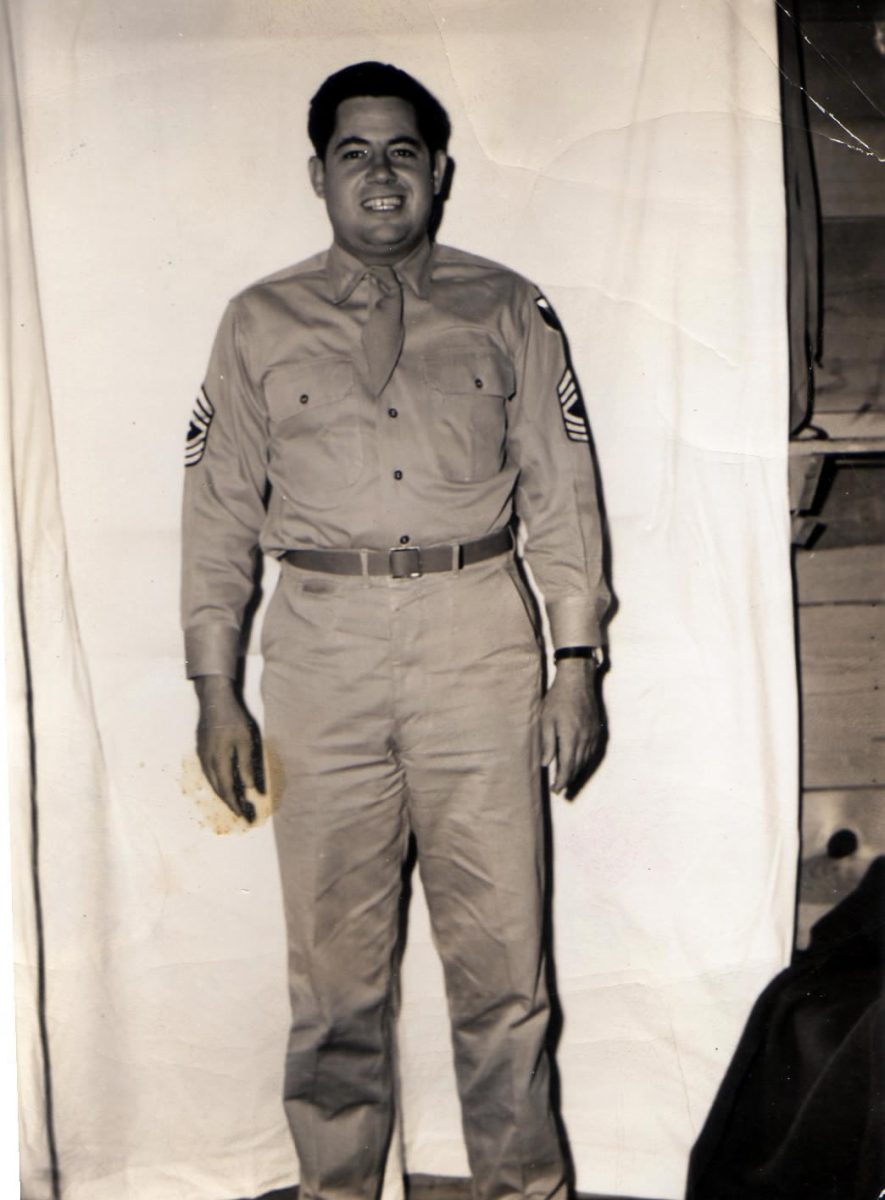 On March 8, 1943, shortly after returning to Panama from his leave in Idaho, Louis Barclay was promoted to master sergeant. During the Second World War, the rank of master sergeant/first sergeant was the highest enlisted rank in the U.S. Army. It is possible this photo commemorates that capstone promotion.